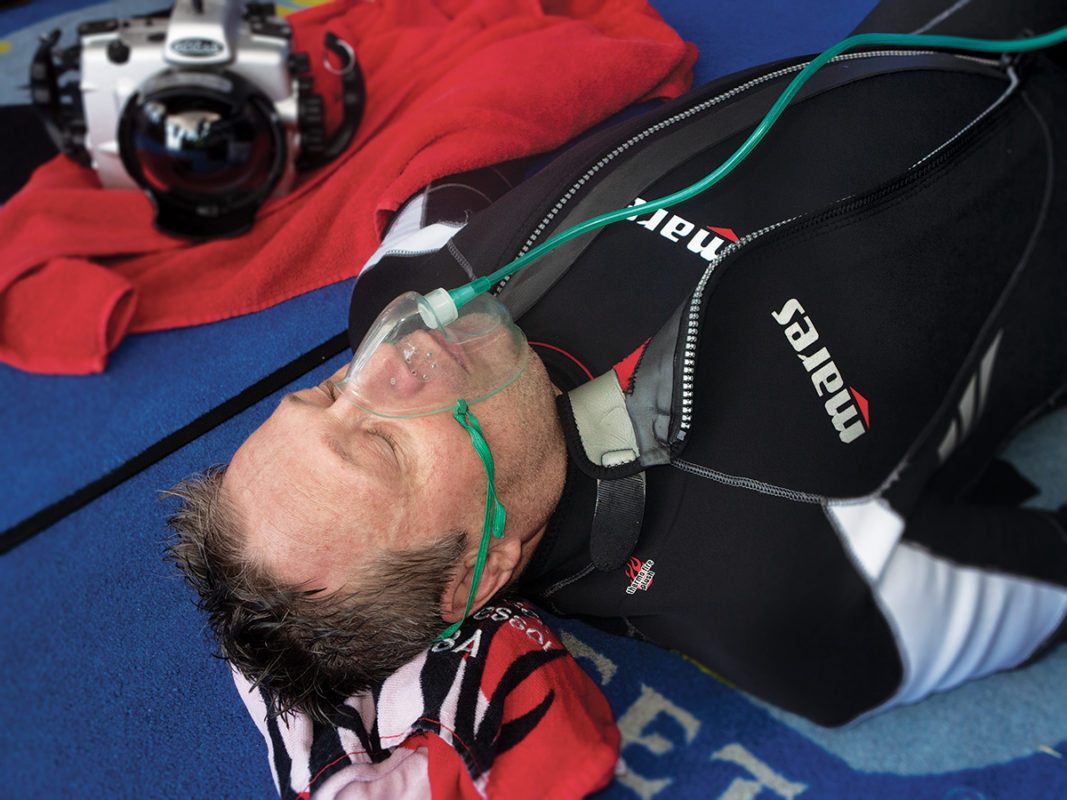
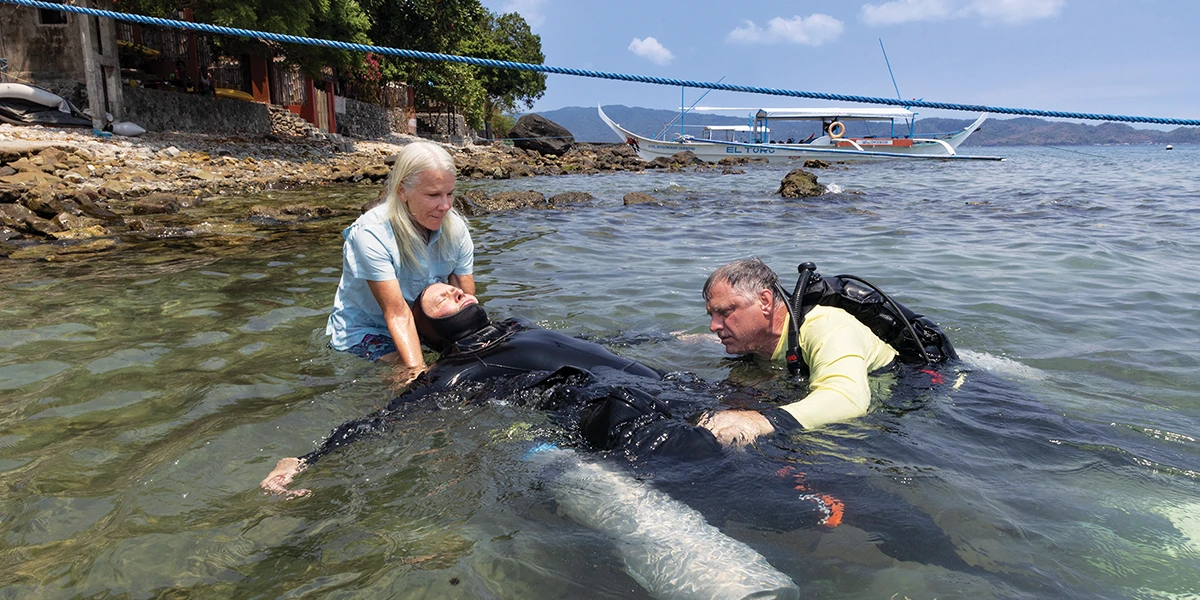
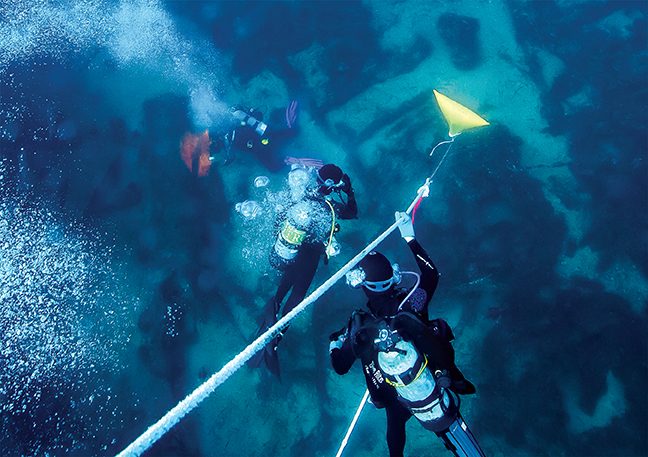
IT WAS A BEAUTIFUL, WARM SATURDAY IN THE PACIFIC NORTHWEST. We were conducting two checkout dives for an advanced open-water course at a popular dive site in Puget Sound. I had just gotten some divers out of the water, and we were debriefing onshore as divers from a basic open-water class exited the water with […]
On a typical morning at Picnic Cove in Laguna Beach, California, in 2023, Val Marino was prepping for what was meant to be a routine dive. She was excited to […]
WORKING AS A MATE ON DIVE BOATS for the past 22 years has allowed me to be a part of many interesting situations. When teaching scuba classes, I use one particular situation as evidence of the importance of maintaining skills through regular practice.
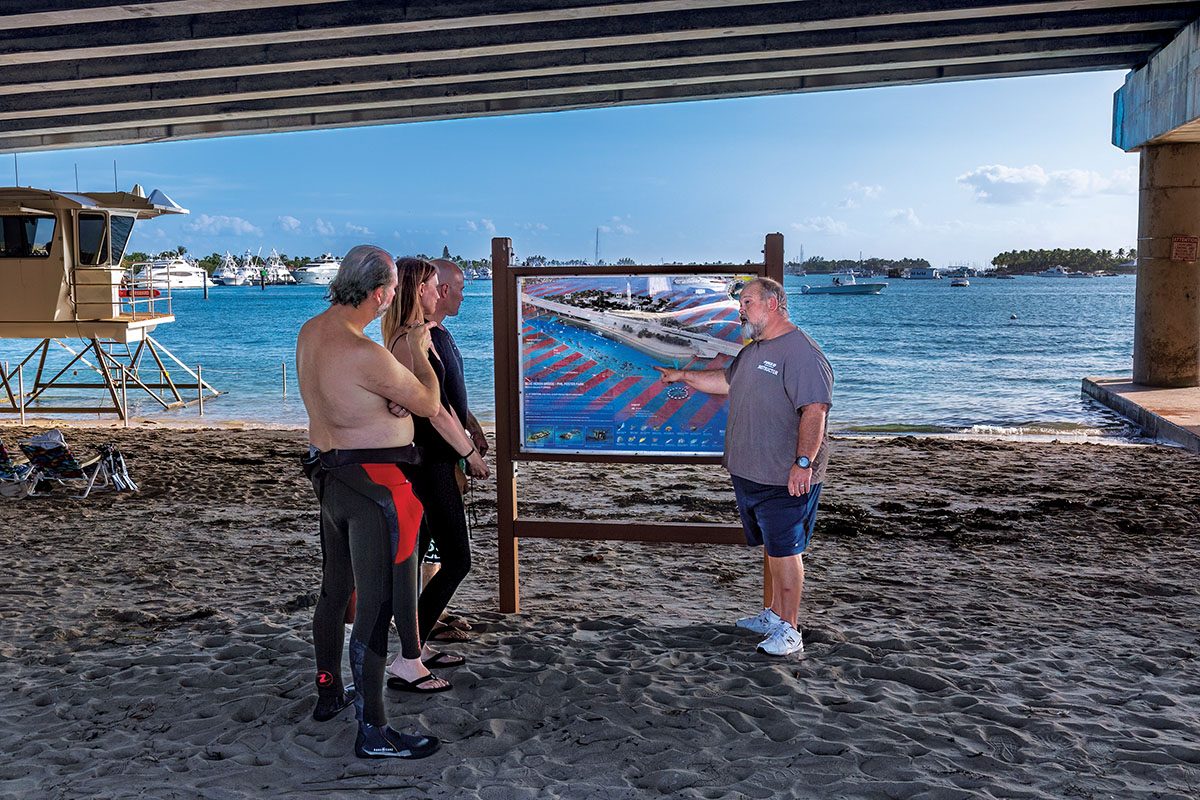
It was a sunny day at South Florida’s Blue Heron Bridge. Two years had passed since I last dived this location, and I was anticipating a simple excursion to look at the local fish. The dive plan was to make a shore entry and allow the current to take me west down the beach.
Proper out-of-air training and practice are important so a situation like this will not be the first time a diver is exposed to it. Had I not had the level of skill repetition positively enforced by my collegiate instructors, this event could have easily spooked me out of cave diving.
I have learned to read the minute details of each athlete’s technique and interpret the impending risk that arises as they push themselves in pursuit of a personal-best performance.
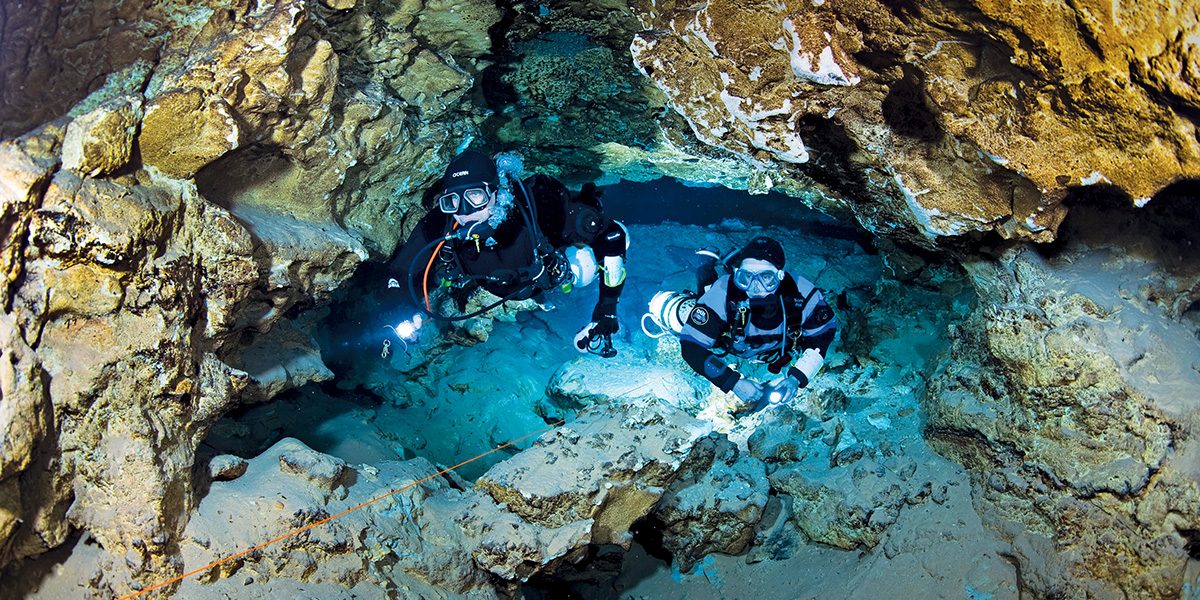
MY DIVE BUDDY AND I planned to do a longer than usual dive one Saturday morning at Madison Blue Spring State Park in Lee, Florida. For several years and more than 100 cave dives together, we had built up our experience as a team and our time spent in this specific underwater cave system in northern Florida. We had slowly extended the duration and distance of our dives in this labyrinth of underwater tunnels that weaved throughout the karst limestone of the park, increasing our familiarity with the system while also practicing the skills that we had learned and continued to build on to be safe cave divers.
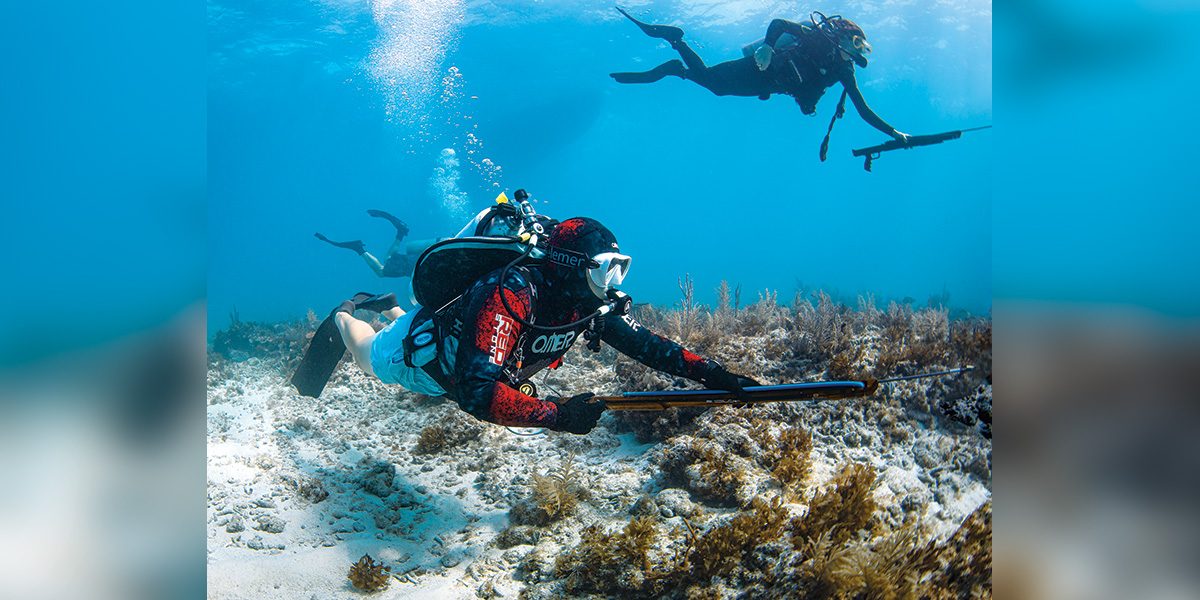
Many divers are proud to be comfortable in the water and sometimes push their limits on air consumption, exceed their bottom time, or take one last shot of a big fish with a camera or spear before ascending. Some of them develop reputations in the dive community for being competent divers by looking cool and experienced while taking little risks. It may start small but snowball into making poor decisions for which the price you pay is not worth the reward.
Divers spend much of their time underwater with a select group of buddies — the ones we trust to get us through the dive and surface with fresh experiences and stories to tell. Newly certified divers have had limited interactions underwater, having dived only with classmates, instructors, and assistant instructors during their classes.
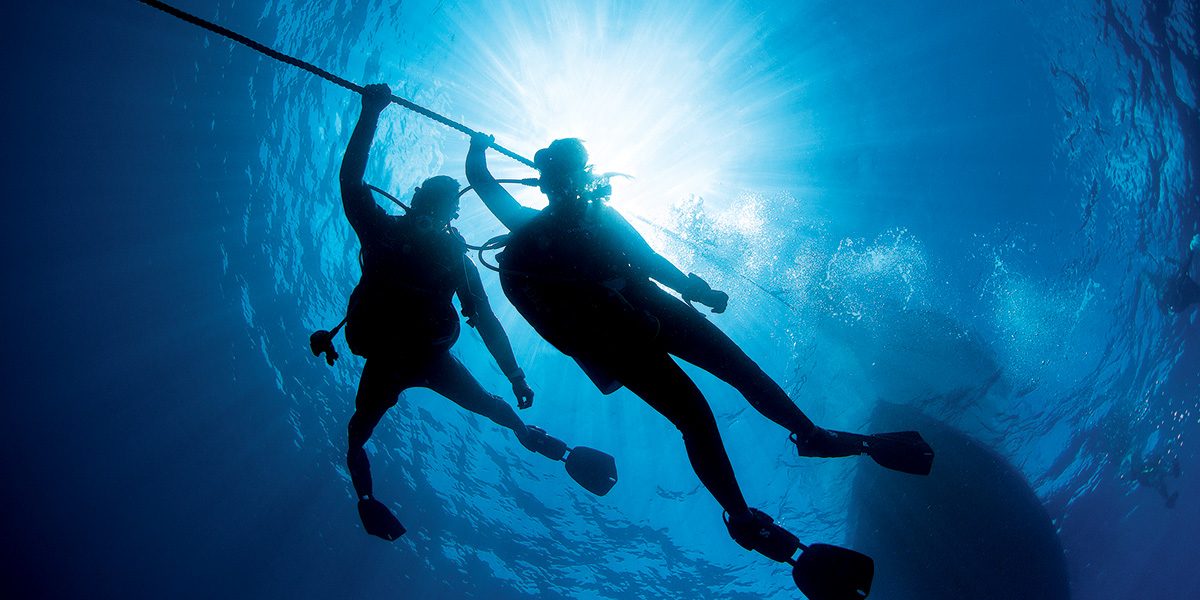
The onset of pain in my left ear was sudden and excruciating. I knew something was wrong, so I gripped the anchor line and stopped ascending. My buddy saw me stop, and I communicated via hand signals that something was not right with my ear and that I needed to pause our ascent.