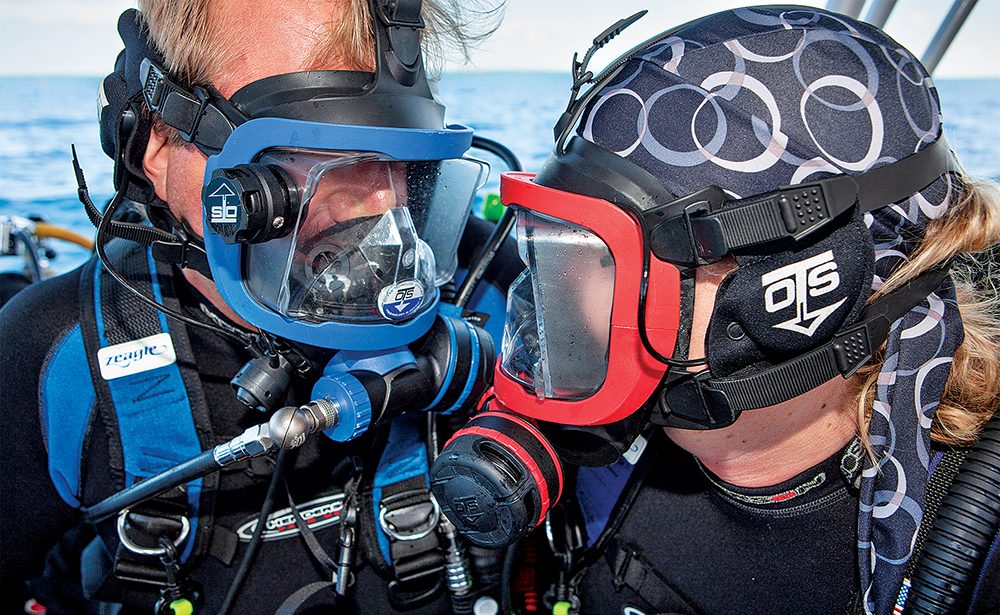
Shallow-Water Blackout
I have learned to read the minute details of each athlete’s technique and interpret the impending risk that arises as they push themselves in pursuit of a personal-best performance.

I have learned to read the minute details of each athlete’s technique and interpret the impending risk that arises as they push themselves in pursuit of a personal-best performance.
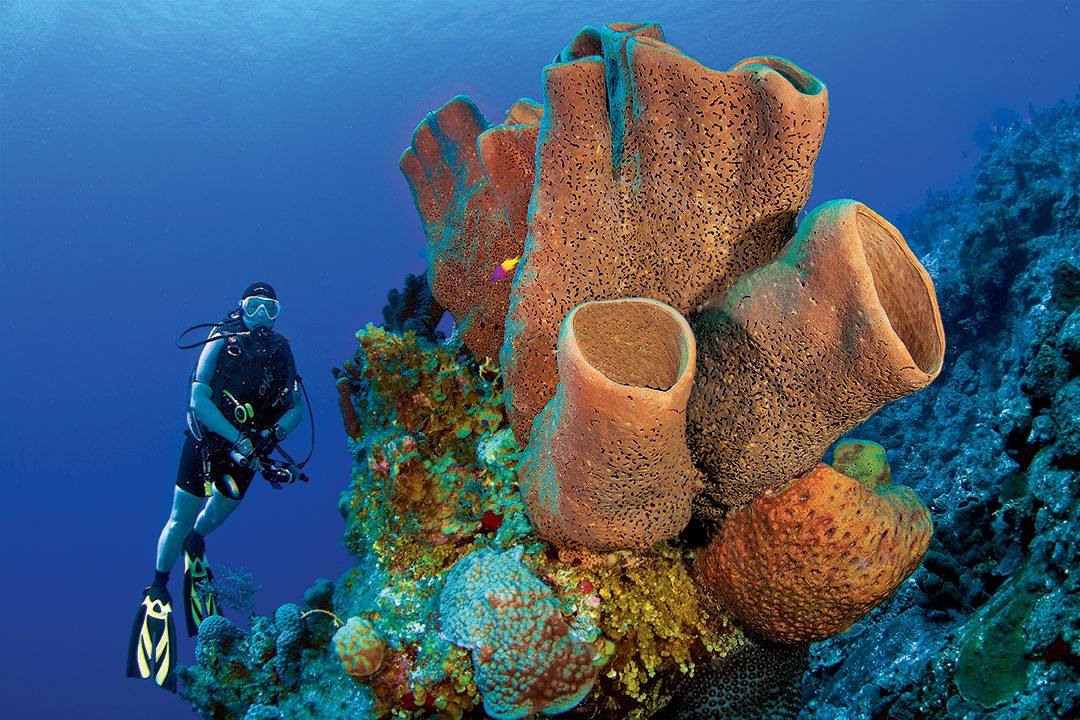
DIVING IN THE TURKS AND CAICOS ISLANDS guarantees plenty of beauty and excitement. This British overseas protectorate entices tourists with the slogan “Beautiful by Nature.” The Caribbean waters throughout the islands offer breathtaking vertical walls, frequent close encounters with pelagics, and opportunities to observe an incredible diversity of fascinating marine life.
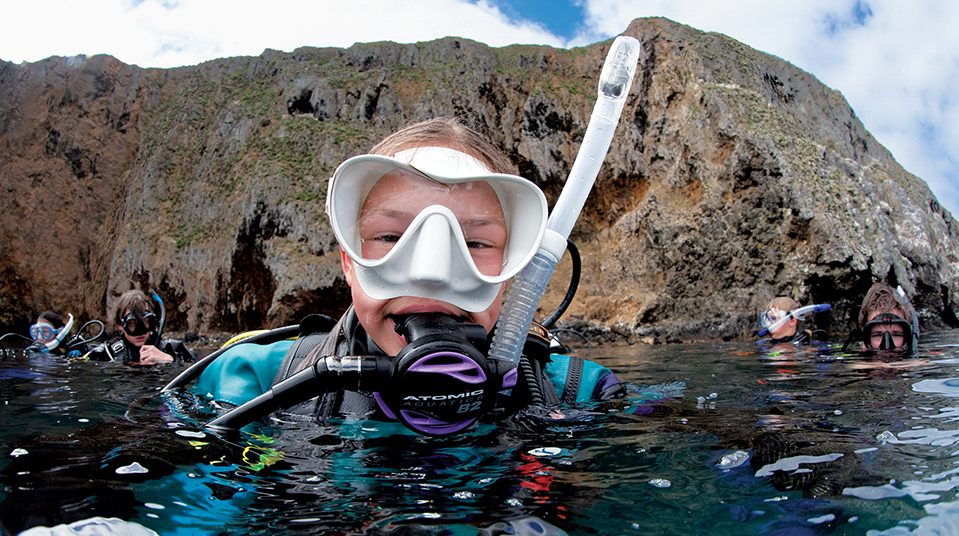
MINORS HAVE BEEN DIVING FOR DECADES, but the incidence of scuba diving injuries among them remains poorly studied.
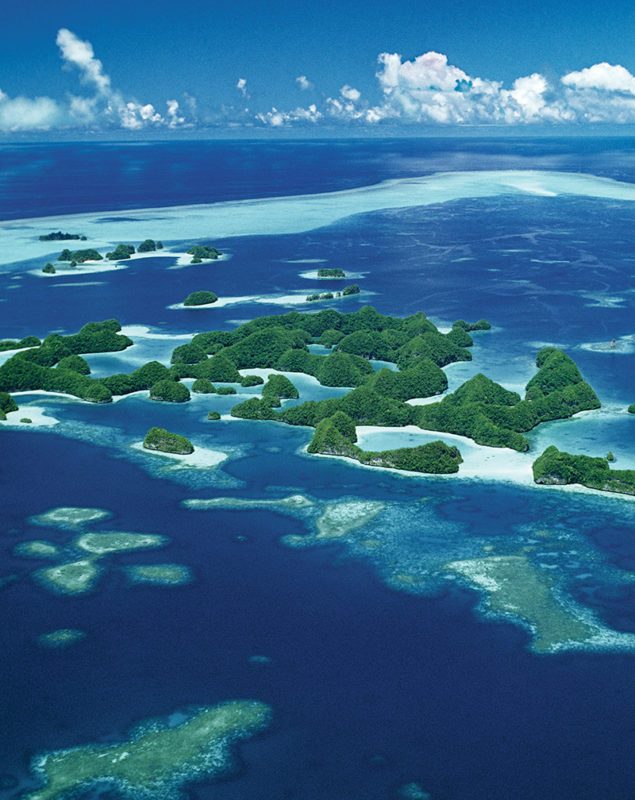
I WAS READING SYLVIA EARLE’S FOREWARD TO Our Ocean, Our Future: Palau, a lovely coffee-table pictorial book by Michael Aw, David Doubilet, and Jennifer Hayes. Earle opened by remarking on when she’s asked about the best place to go diving. Her usual answer is, “Almost anywhere, 50 years ago.”
AS A WILDLIFE OFFICER, I spend countless hours on the water. As an instructor for the National Association of Underwater Instructors (NAUI), I have also spent a lot of time teaching and diving.