The diver’s role in preserving Florida’s submerged heritage
The allure of underwater exploration is undeniable, drawing individuals into a realm of profound discovery and quiet, majestic beauty. For many divers, this fascination extends beyond vibrant marine life to the captivating remnants of human history hidden beneath the waves.
With its extensive coastline and intricate waterways, Florida stands as a unique confluence where thriving marine ecosystems intertwine with a rich tapestry of submerged historical heritage. Untold stories lie beneath the crystal-clear waters, encapsulated within shipwrecks, ancient habitations, and other archaeological features.
Divers possess a unique vantage point, offering them an intimate and profound connection with this submerged past. This interaction is more than mere observation; it is an immersive, physical, and often emotional engagement with history.
The experience frequently cultivates a natural inclination toward stewardship, positioning divers as ideal partners in preserving these irreplaceable historical resources. This fundamental connection forms the foundation for collaborative efforts that empower the dive community to transition from passive observers to active guardians of Florida’s underwater legacy.
A Shared Vision
Protecting Florida’s marine environment and heritage is a monumental task requiring robust partnerships. The Florida Keys National Marine Sanctuary (FKNMS) and Biscayne National Park (BNP) are at the forefront of these efforts. Established in 1990, FKNMS is one of 18 national marine sanctuaries within the U.S. and shares trusteeship of marine resources with the state of Florida, as approximately 49% of the sanctuary falls under state jurisdiction. The sanctuary is cooperatively managed by the State of Florida with key partners, including the Florida Department of Environmental Protection, the Florida Fish and Wildlife Conservation Commission, and the Florida State Historic Preservation Office.
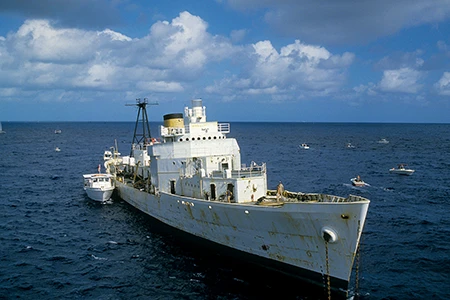
This sanctuary encompasses 4,539 square miles (11,756 square kilometers) of water, safeguarding the continental U.S.’s only living barrier reef, extensive seagrass beds, and more than 6,000 marine species. Critically, FKNMS protects more than 800 underwater historic sites, recognizing their intrinsic value alongside the natural environment.
The sanctuary’s health is not merely an ecological concern — it is a significant economic engine for the region, contributing more than $4.4 billion annually and supporting 43,000 jobs, primarily driven by ocean-related activities such as diving.
BNP is just north of FKNMS, between Key Largo and Miami. Encompassing 173,000 acres, 95% of which is submerged, it is the largest marine park in the National Park System. BNP was originally formed as a National Monument in 1968 and later expanded and was redesignated as a national park in 1980.
The park protects a wide variety of marine resources in South Florida, including Biscayne Bay and the northernmost keys and reefs within the Florida reef tract. It also protects and manages nearly 200 historic resources within its boundaries and serves as a significant driver of economic growth in the region, supporting hundreds of jobs in the South Florida area.
The Florida Public Archaeology Network (FPAN) complements this federal and state management of marine resources. This University of West Florida program is dedicated to promoting and facilitating the conservation, study, and public understanding of Florida’s archaeological heritage. Its establishment in 2005 through state legislation, formalized by an agreement between the Florida Department of State and the University of West Florida, underscores a commitment to public engagement in archaeology.
The enduring collaboration between FKNMS, BNP, and FPAN exemplifies a powerful partnership where marine conservation and heritage preservation are deeply intertwined. Since 2007 FKNMS and BNP have partnered with FPAN to make the Heritage Awareness Diving Seminar (HADS) available to all divers.
FPAN assisted in the establishment of BNP’s Maritime Heritage Trail in the early 2010s. The three entities have worked collaboratively over the past two decades to promote the preservation and appreciation of submerged heritage throughout South Florida, creating a long-term commitment to ensure that the health of the marine ecosystem and the preservation of heritage are mutually dependent objectives.
The substantial economic contributions from FKNMS and BNP highlight a crucial aspect of this integrated approach. Many popular dive sites within the sanctuary and the park are historic shipwrecks. Diligently preserving these historical sites directly underpins a significant portion of the region’s tourism economy.
Any damage to these heritage sites, whether through looting or physical impacts such as anchor damage, would degrade invaluable historical records, directly diminish the appeal of dive tourism, and compromise the ecosystems these sites often support. Investing in maritime heritage preservation, including comprehensive diver education programs, is not only a historical or environmental imperative but also a sound and strategic economic decision for Florida’s future.
Empowering Divers as Heritage Stewards
HADS is a cornerstone of the collaborative efforts to protect Florida’s submerged historical resources. FPAN, FKNMS, BNP, and the Florida Bureau of Archaeological Research jointly sponsor this specialized training program. HADS is typically offered twice a year and includes both in-person and virtual learning options.
The core objective is highlighting the significant benefits of conserving shipwrecks and other submerged historical resources. The program emphasizes their irreplaceable contribution to historical understanding and their vital role in supporting thriving marine ecosystems and coastal economies. HADS focuses on training dive educators to proactively protect these sites as integral components of the marine environment.
By equipping dive instructors with this specialized knowledge, HADS creates a powerful ripple effect, allowing each trained educator to impart heritage awareness to potentially hundreds of recreational divers annually. This systematic dissemination embeds the principles of heritage protection as a core objective of dive training, fostering a widespread and enduring culture of stewardship throughout the dive community.
The curriculum covers essential topics, including maritime archaeology overview, the specific laws and ethical guidelines that protect submerged sites, the importance of artifacts, and maritime heritage trails as teaching tools. After completing the seminar, qualified participants are certified to teach the Heritage Awareness Diving Specialty Course, which has received approval from leading dive agencies, including PADI, NAUI, and SDI.
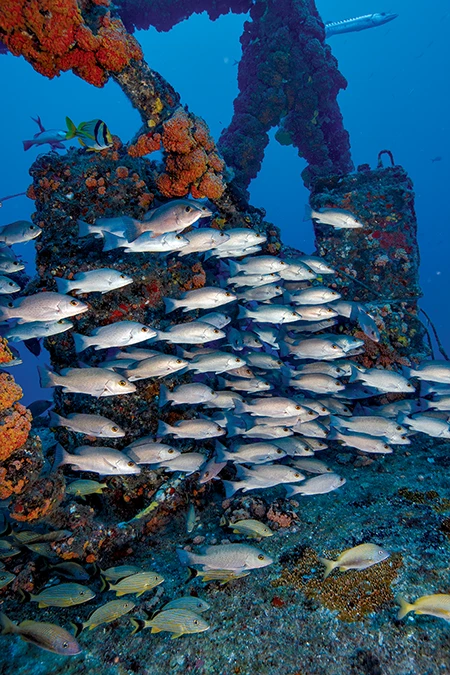
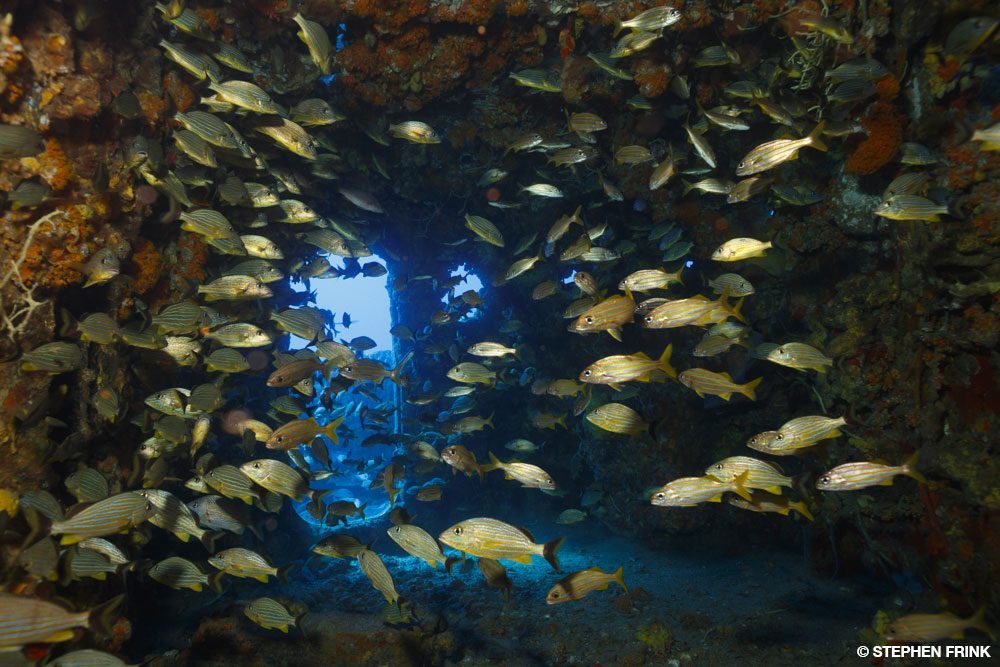
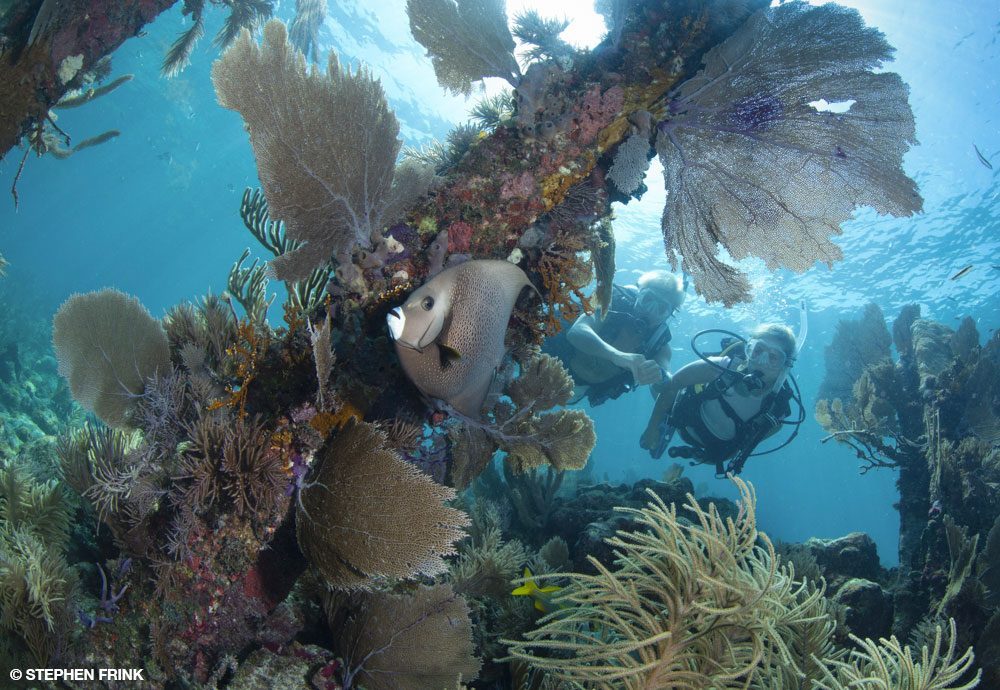
This year’s HADS spring course was in BNP’s turquoise waters. At the beginning of the seminar, the divers and instructors were asked about their favorite dive. Answers echoed with tales of vibrant reefs and deep wrecks, but mine was a night dive on the Benwood, a merchant marine freighter that became an accidental casualty during World War II. By day its hull teems with life, but at night a flashlight reveals secrets: encrusted fittings, hidden crevices, and a gathering of sea turtles. Nicknamed the “turtle motel,” Benwood’s sturdy frame shelters these creatures as they sleep.
Maritime Trails: Pathways to History
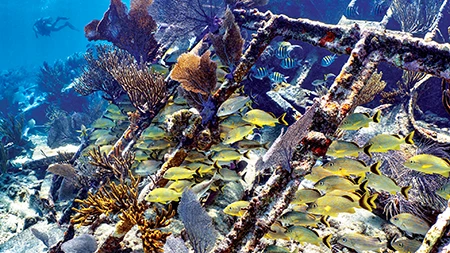
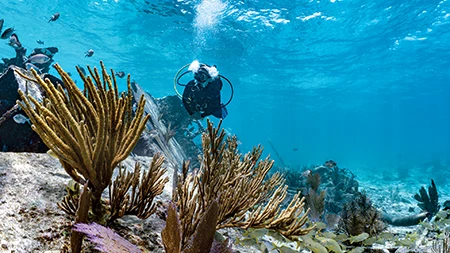
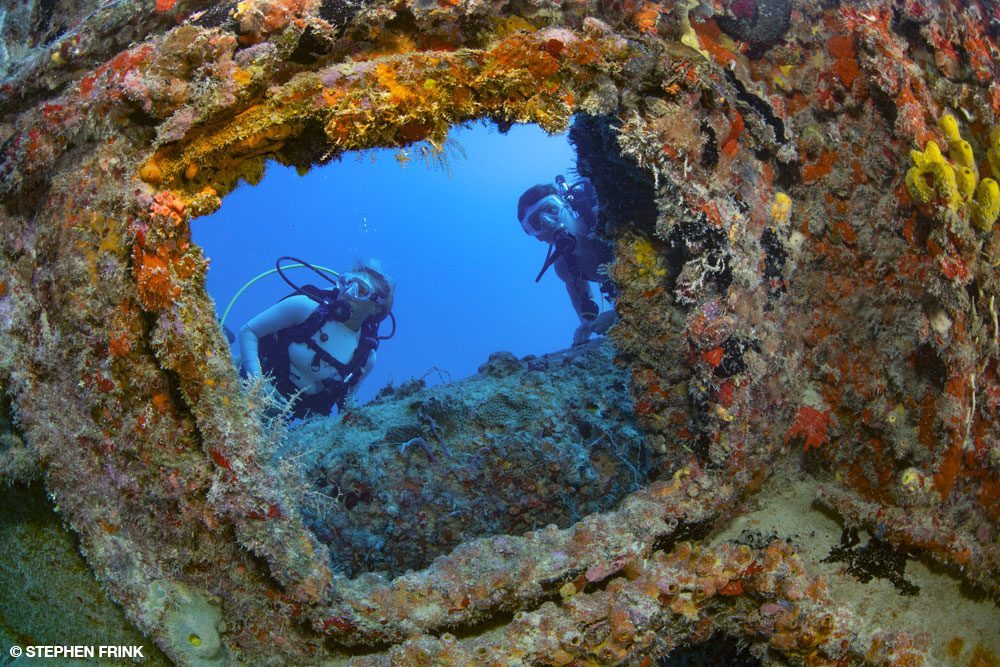
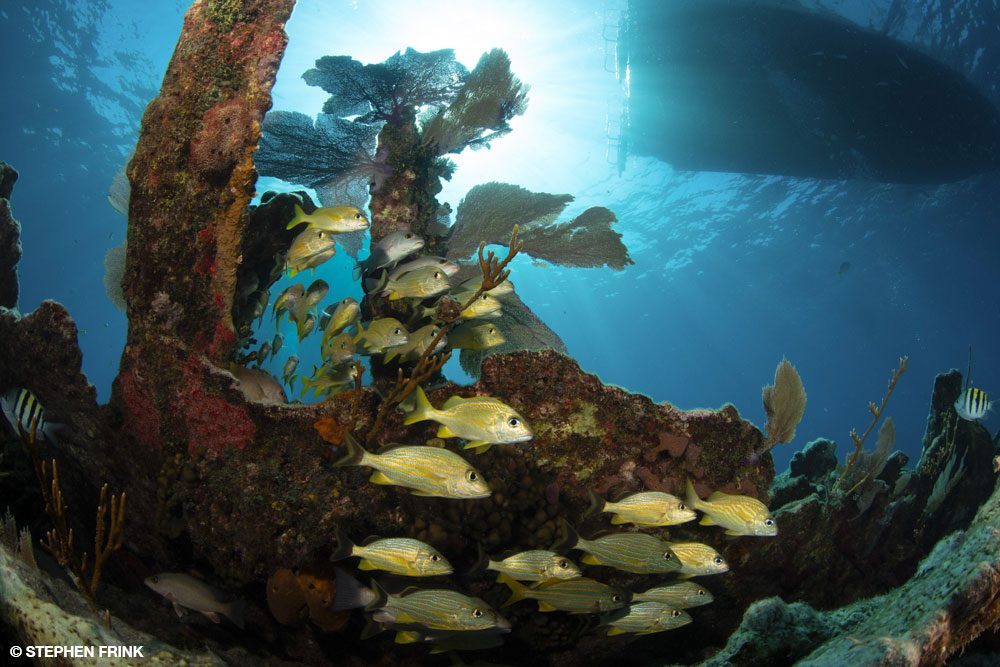
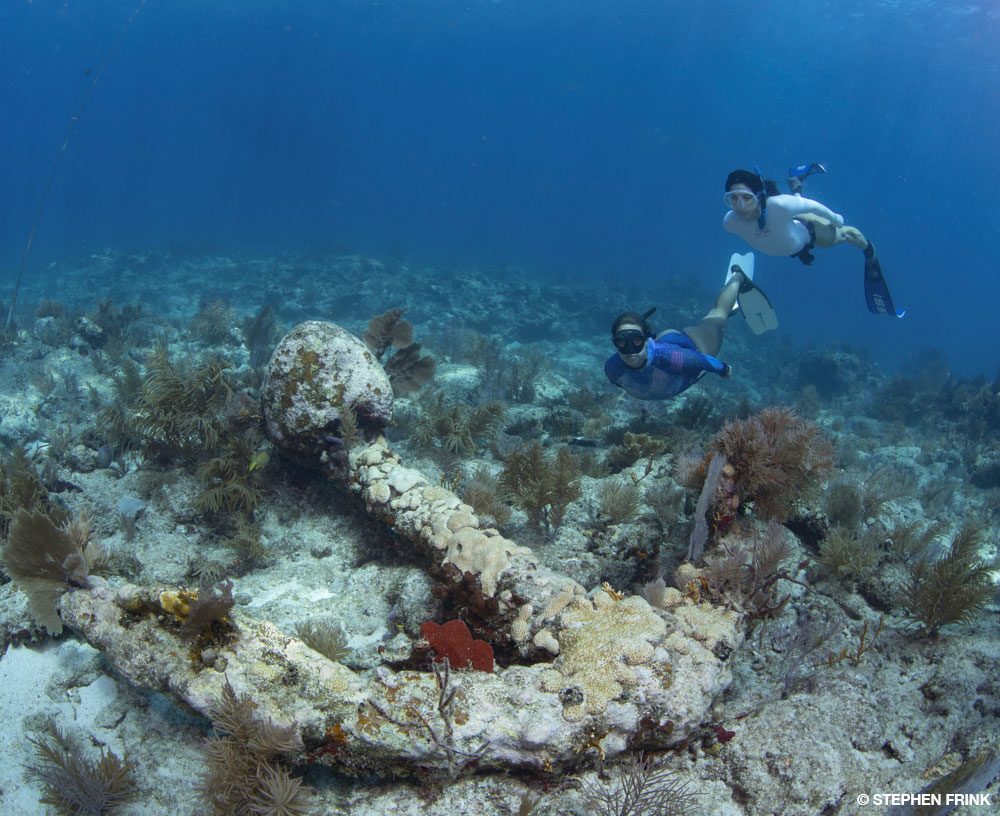
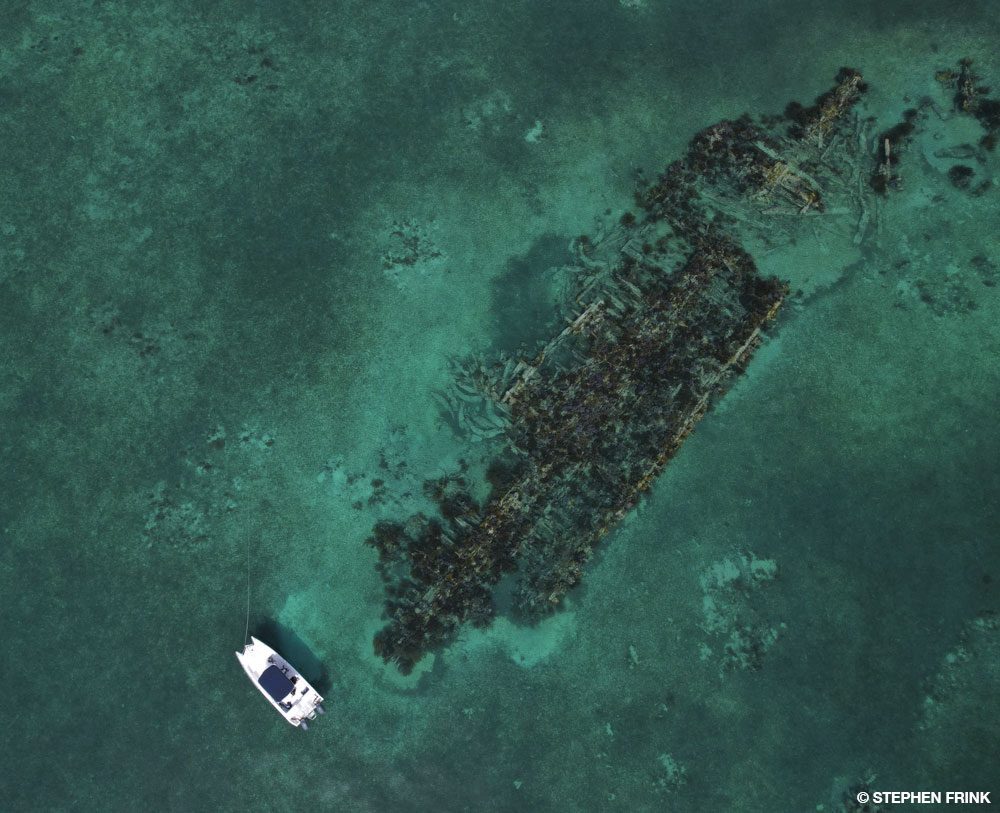
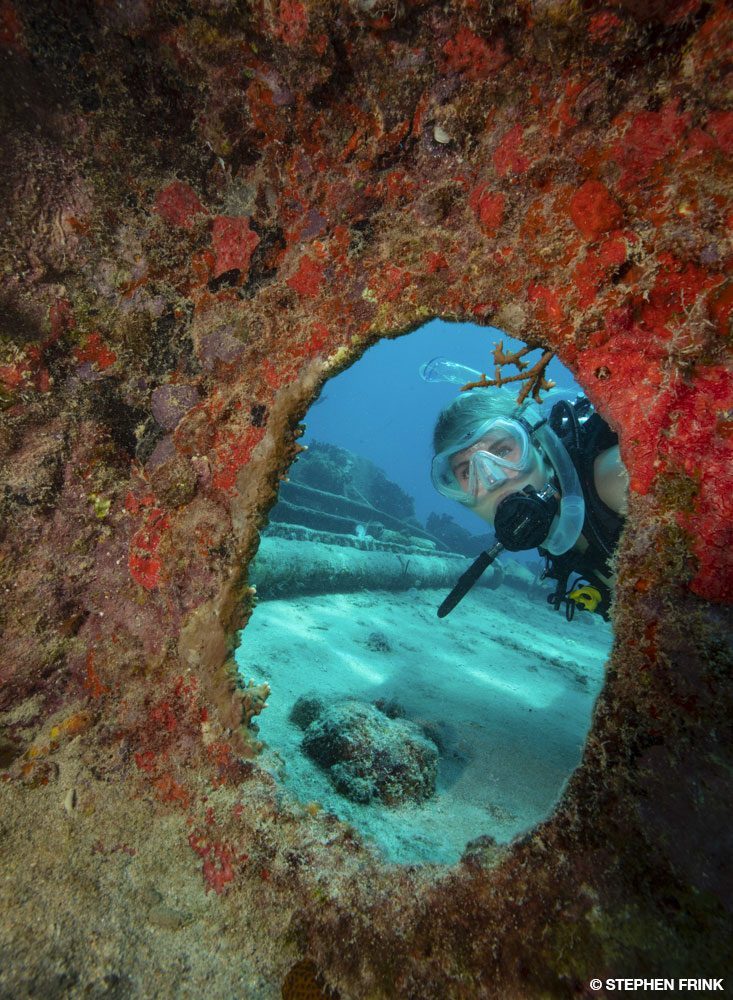
The HADS spring class visited two of BNP’s shallow shipwrecks: Mandalay, a luxury yacht grounded in 1966 and now draped in encrusting coral and sponge, and the Lugano, a 19th-century schooner now worn by time and tide. Part of BNP’s Maritime Heritage Trail, these sites are not just dive spots — they’re chapters in a saga of how the Atlantic has shaped commerce, conflict, and culture.
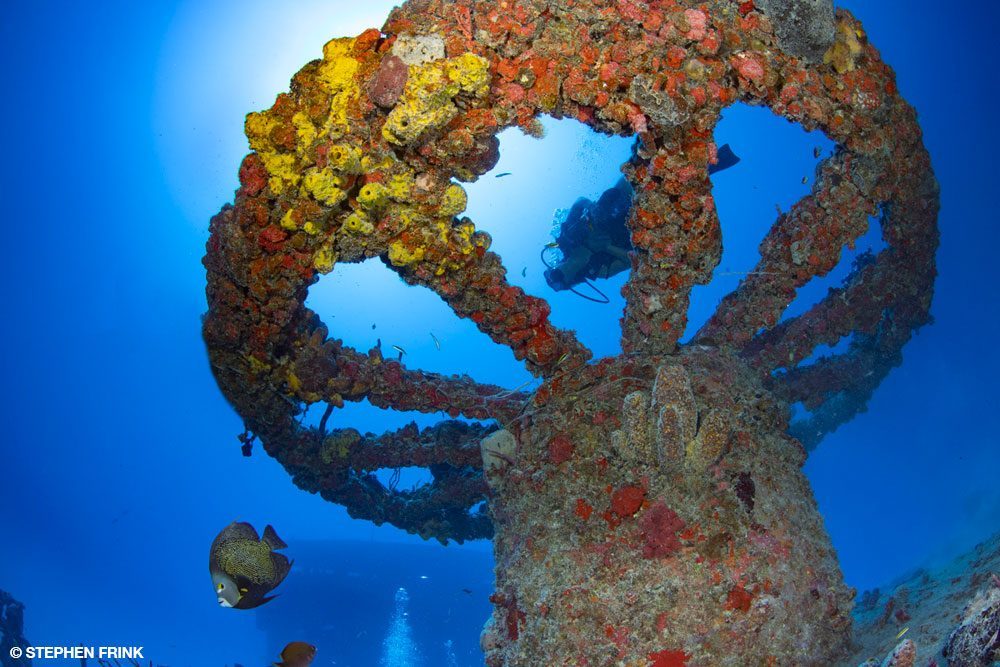
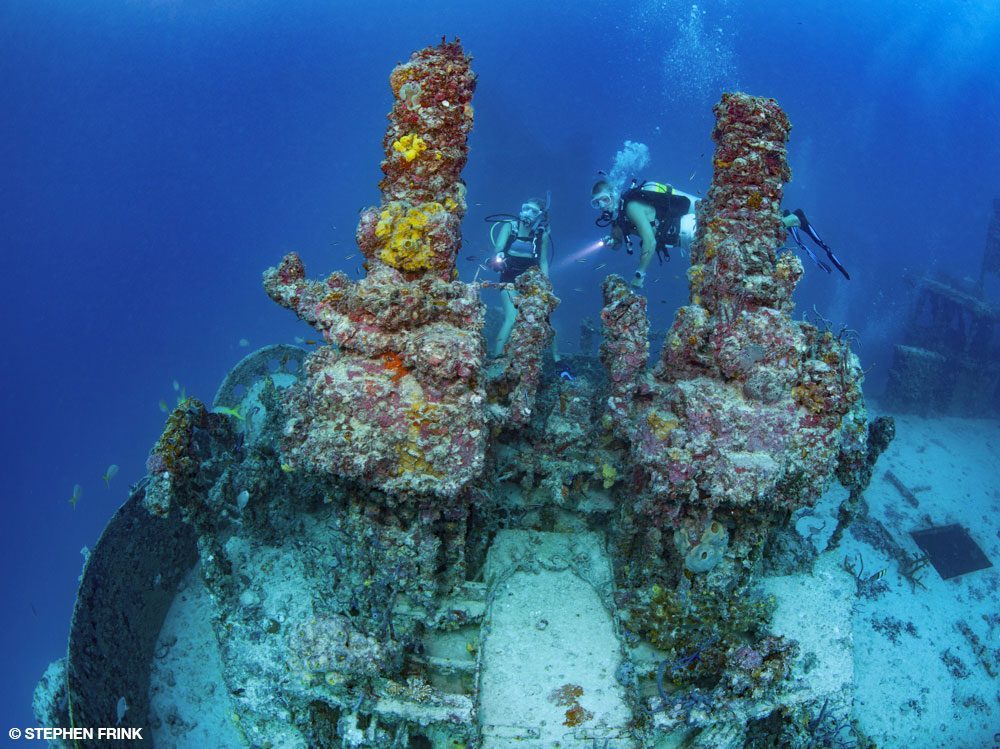
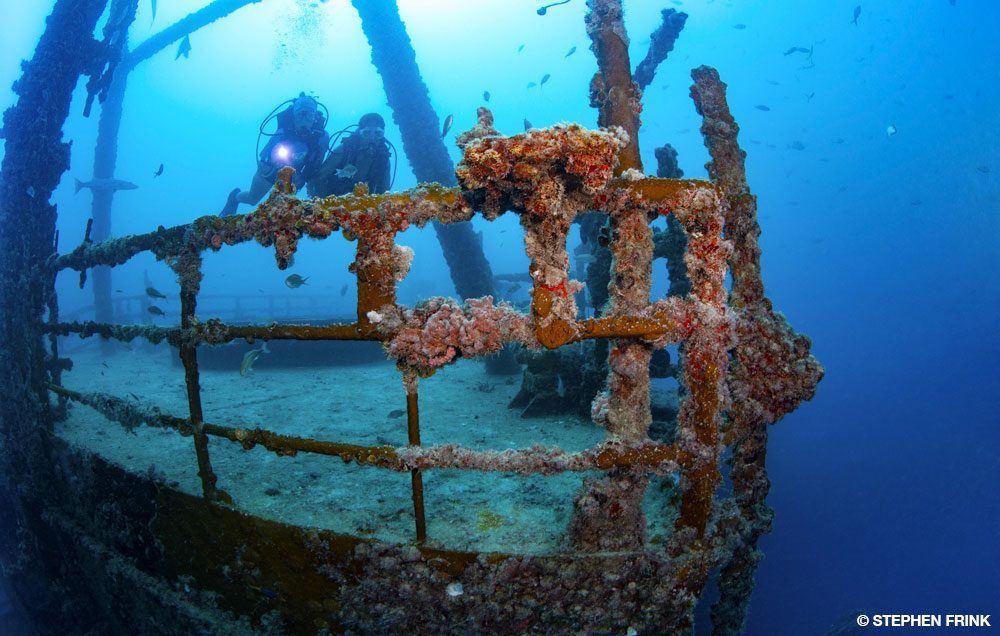
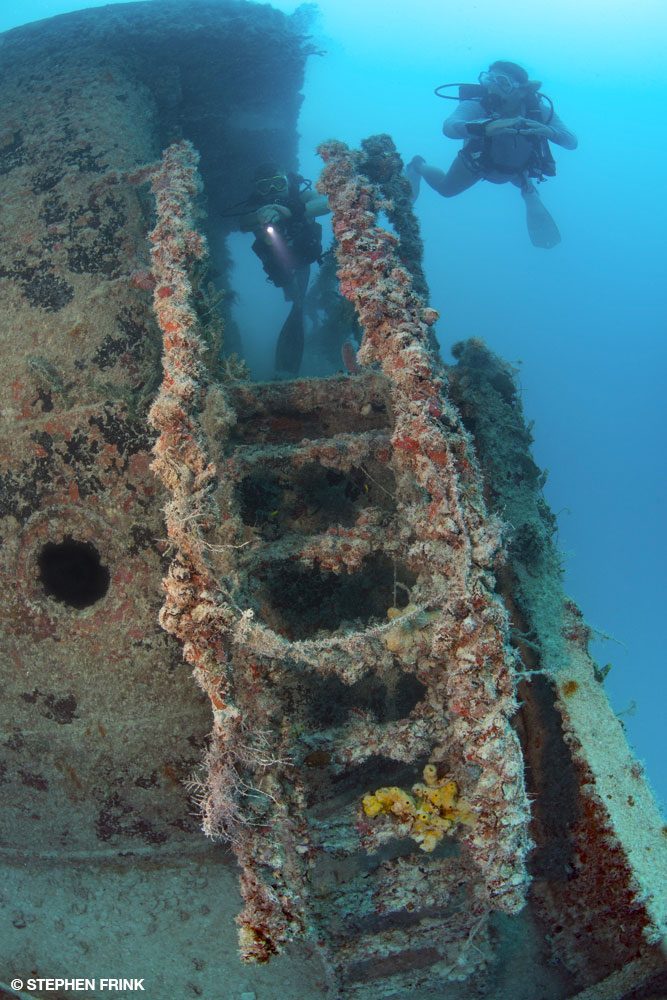
In FKNMS, the Shipwreck Trail incorporates two types of sites: shipwrecks that occurred by chance, such as the Benwood, and shipwrecks intentionally sunk, such as the Coast Guard cutter Duane, which was sunk in 1987 as an artificial reef. The Duane stands proud, with its decks and wheelhouse eerily intact, a monument to wartime service and ecological rebirth.
Maritime trails make history tangible and provide insight into which sites best suit your dive skills and preferences. The Lugano’s shallow resting place welcomes beginners, while the Duane’s deeper and occasionally current-swept decks challenge skilled divers. BNP’s Maritime Heritage Trail includes several historic shipwrecks, ranging from an unidentified wooden-hull sailing ship to large 19th- and early 20th-century cargo vessels such as Lugano.
Through HADS, divers become stewards, learning to navigate these sites with care and respect. The seminar’s lessons ripple outward, encouraging divers to become advocates for preservation.
Threats to Our Submerged Past
Florida’s underwater archaeological sites face a growing array of threats from natural processes and human activities. Rising sea levels and water temperatures, ocean acidification, and extreme weather events increasingly exacerbate these sites’ natural degradation. These phenomena actively reshape marine environments, leading to accelerated deterioration of submerged heritage.
Wooden shipwrecks, for example, are particularly vulnerable to marine boring organisms, such as shipworms, and various bacteria and fungi. Warming waters are a significant concern, as they can intensify the activity of these destructive organisms. Erosion also poses a constant threat, displacing or destroying sites over time.
Human-induced impacts present significant challenges. Looting and commercial exploitation remain major risks to underwater heritage, which is finite and irreplaceable. Laws strictly prohibit the unauthorized excavation or removal of artifacts from state-owned submerged lands, national marine sanctuaries, and national parks. This legal framework confronts the treasure-hunting mentality that has historically led to the destruction of the archaeological context.
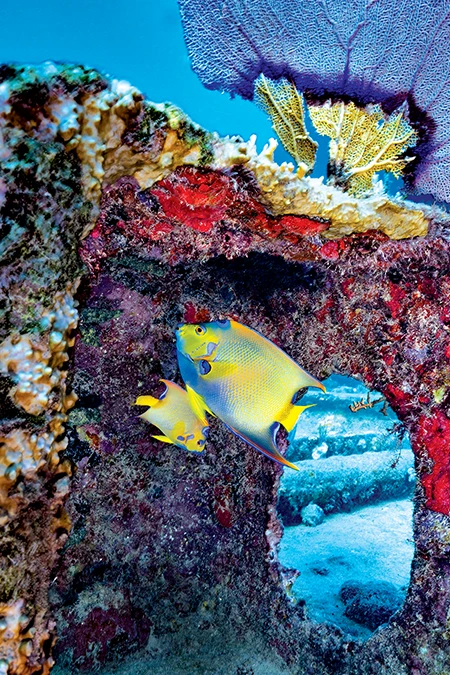
Anchor damage is another significant threat that can substantially harm historic resources and coral reefs. Establishing and maintaining mooring buoy networks are crucial preventative measures against such damage.
Large-scale development projects, dredging operations, and trawling activities pose direct threats, as they can physically destroy or displace underwater sites. Lost or snagged fishing gear contributes to the problem, as it easily entangles wreck structures and creates hazards for marine life and visitors.
Unlike natural resources, which can regenerate, historical resources will never grow back. We will never have another sunken Spanish galleon. Once destroyed, these unique historical records are lost forever.
While beneficial for research and public engagement, the increasing ability to discover and access submerged sites presents a double-edged sword. As more sites are found and their locations become known, their vulnerability to both unintentional and intentional damage increases. This concern necessitates a growing emphasis on responsible discovery and preservation methods that minimize harm to the marine environment.
Regrettably, many divers, despite their love for wrecks, sometimes inadvertently disturb sites or remove souvenirs. This problem underscores the inherent tension between public access and preservation and highlights the critical need for continuous education and strict enforcement. Increased visibility does not have to lead to increased degradation.
How Divers Make a Difference
Divers trained in preservation philosophy and methods, often called citizen scientists, are uniquely positioned to make significant contributions to monitoring existing sites and discovering new ones.
Underwater heritage preservation in Florida is being shaped by a dynamic interplay of technologies, innovation, and sustained community involvement. Emerging technologies are revolutionizing the field, offering unprecedented discovery, documentation, and ethical preservation capabilities. Adaptive management and policy frameworks are crucial for ensuring that management strategies effectively address increasing threats and evolving marine uses.

Your Dive, Your Legacy
Florida’s underwater world is a realm of unparalleled beauty and historical depth, where vibrant marine ecosystems and priceless underwater heritage coexist. With their unique access and inherent connection to this submerged environment, divers are exceptionally positioned to serve as guardians of this irreplaceable legacy.
The collaborative framework established by entities such as the FKNMS, BNP, and FPAN provides pathways for divers to make a tangible difference. These initiatives empower individuals to actively contribute to the scientific understanding and preservation of submerged sites. By embracing responsible dive practices, meticulously documenting observations, and promptly reporting discoveries, every diver contributes to a larger, collective effort.
Each responsible dive, every piece of reported data, and all educational outreach efforts collectively safeguard these irreplaceable treasures. This commitment ensures that Florida’s underwater history remains intact for future generations of divers, historians, and marine life.
Brenda Altmeier is Maritime Heritage Coordinator for Florida Keys National Marine Sanctuary.

Explore the Trails
On the Florida Keys Shipwreck Trail, you candive into the wrecks of the Florida Keys National Marine Sanctuary, including the Benwood and USCG Duane. Visit floridakeys.noaa.gov/shipwrecktrail/.
Explore sites such as the Mandalay and Lugano on the Biscayne National Park Maritime Heritage Trail. Visit nps.gov/bisc/learn/historyculture/maritime-heritage-trail.htm/.
For more information about the Heritage Awareness Diving Seminar, including upcoming classes, see fpan.us/training-courses/hads.
Explore More
Find more about Guardians of the Deep in this bonus photo gallery and video.







© Alert Diver – Q3 2025