Distraction, Discomfort, and Disorientation
Avoid the three Ds While diving is an enjoyable and relatively safe activity, divers should never forget that it involves using life-support equipment to venture into an environment that’s not […]
Divers Blog Post Type
Avoid the three Ds While diving is an enjoyable and relatively safe activity, divers should never forget that it involves using life-support equipment to venture into an environment that’s not […]
Divers Alert Network has decades of experience helping divers in emergencies — and with decades of experience comes decades of stories and lessons you can apply on your upcoming dives. […]
Divers Alert Network has decades of experience helping divers in emergencies — and with decades of experience comes decades of stories and lessons you can share with your students and […]
As the medical community has learned more about COVID-19 in the past year, the implications of the disease for divers are now better understood.

You’re no stranger to Divers Alert Network: You know about its recompression chamber network, dive accident coverage, 24/7 emergency hotline and programs for dive professionals. These benefits are why you’ve […]

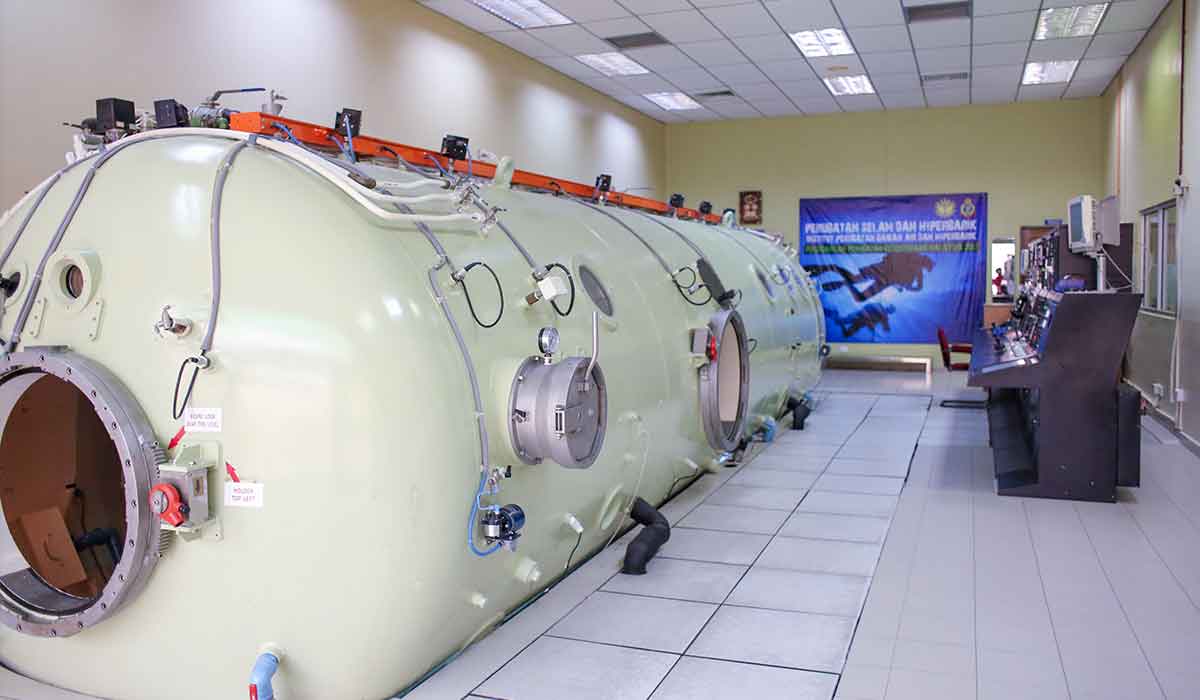
When a diver begins to suffer from extreme fatigue, achy joints and confusion, dive professionals will recognize these as signs of decompression sickness (DCS) and act quickly to ensure the […]

The mantra “Take care of your employees and they will take care of your business,” is especially true in the dive industry. It helps builds morale, enhances efficiency, reduces lost […]

COVID-19 and dive injuries are very different things, but the two have many similarities that are worthy of consideration. The causes are obviously distinct; COVID-19 is caused by a virus […]
Common symptoms of decompression sickness (DCS) include extreme fatigue, achy joints and confusion. There are also numerous uncommon symptoms, however, and these are often associated with lesser-known forms of DCS. […]
Whether you’ve decided to explore the SS Thistlegorm in the Egyptian Red Sea, witness the Sardine Run off South Africa, or simply book a single day of diving during your beach vacation, […]
