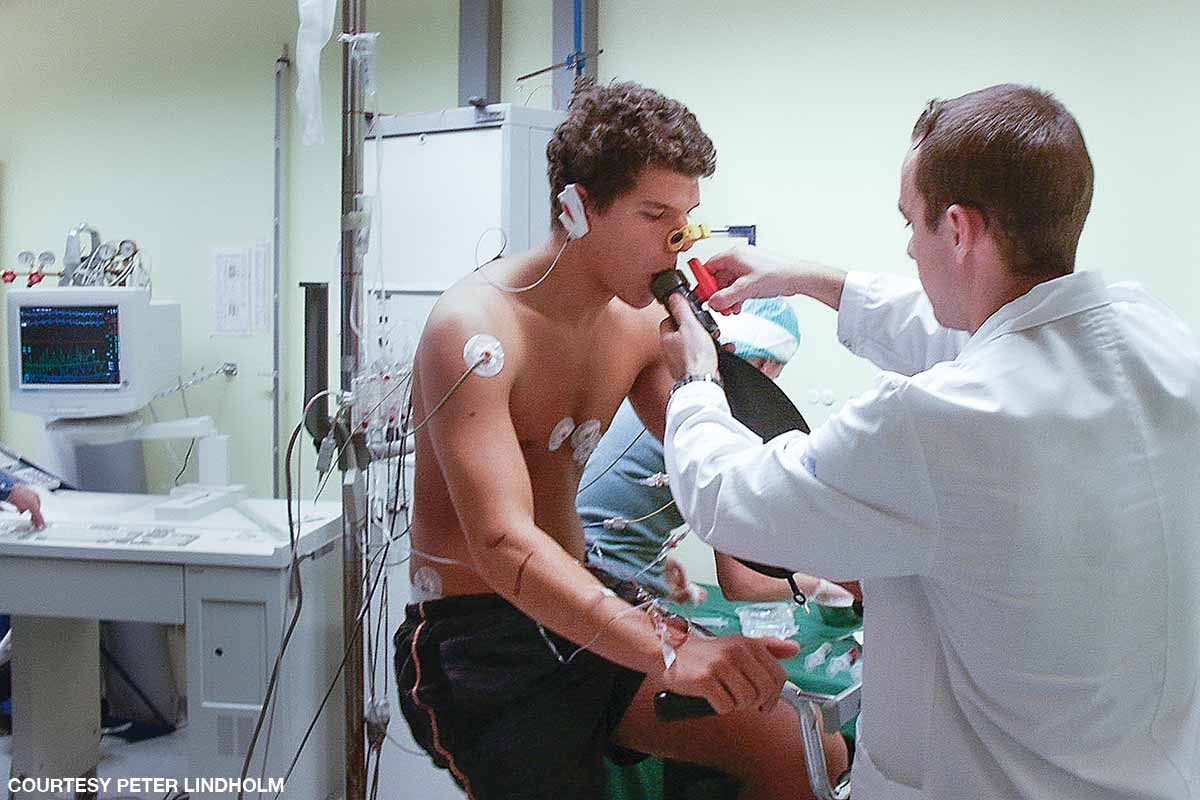
During medical school Peter Lindholm joined a laboratory researching aviation, space and underwater physiology, where he developed a passion for breath-hold dive physiology, about which he wrote his doctoral thesis. As one of the physicians for the Swedish Sports Diving Federation (SSDF), he was involved in developing breath-hold dive protocols and training the first instructors of competitive breath-hold diving. After clinical training as a radiologist, Lindholm moved to San Diego, California, where he leads a research group focused on dive physiology and dive medicine.
With a foundation in community-focused research and a dedication to developing the next generation of researchers, Zachary Schlader, PhD, has developed his career into an impactful model of scholarship, mentorship, […]
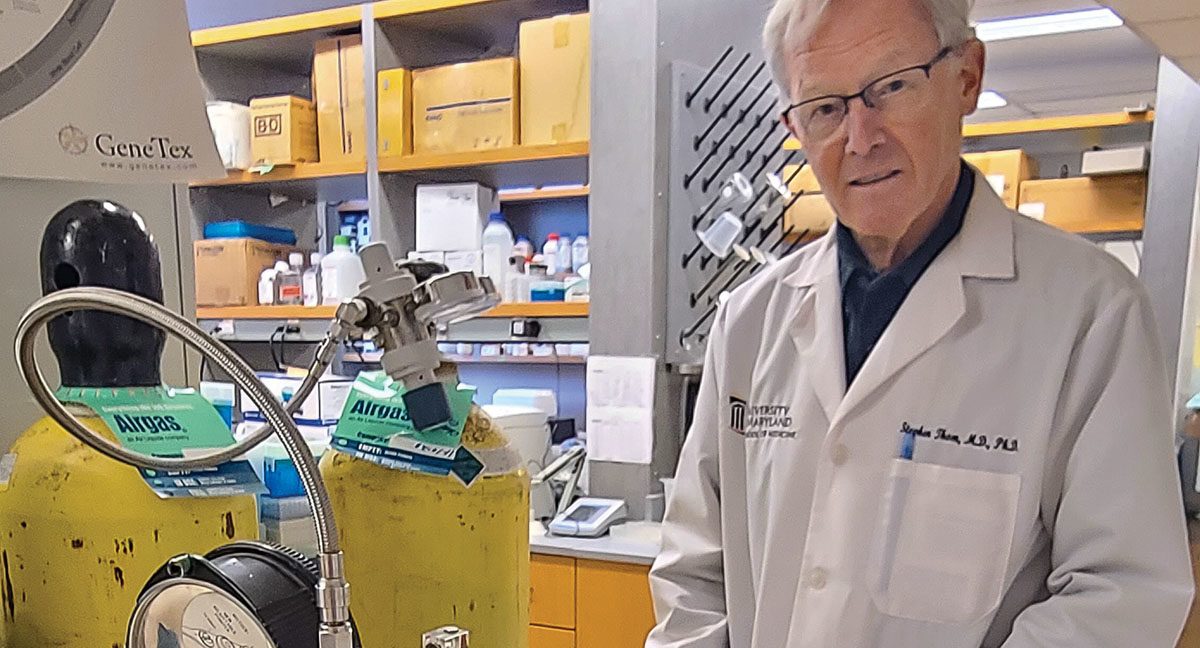
A PROFESSOR OF EMERGENCY MEDICINE and researcher at the University of Maryland School of Medicine, Stephen Thom holds medical and doctorate degrees from the University of Rochester. He previously led various clinical programs, including hyperbaric and emergency medicine, and a research lab at the University of Pennsylvania. What is your academic background? My medical specialty […]
WHEN DID YOU START DIVING? I got certified in 1992 on the Great Barrier Reef in Queensland, Australia. For the next five years I dived in Turkey, Thailand, and on the shipwrecks of Scapa Flow in the Orkney Islands, Scotland — all over …
SHERRI FERGUSON, MSC, IS THE LAB MANAGER at Simon Fraser University’s hyperbaric chamber, located at an altitude of 1,200 feet on Burnaby Mountain in the outskirts of Vancouver, Canada. She is a scientist working in aerospace and dive research, an experienced recreational, technical, and commercial diver, and a mother. How did you get into diving? […]
MOST DIVERS KNOW PETER BRIAN BENNETT, PHD, DSC, AS THE FOUNDER OF DIVERS ALERT NETWORK, through which he brought significant changes in how we understand and enact dive safety.
PETAR DENOBLE, MD, D.SC., HAS DEDICATED HIS CAREER to exploring and solving practical issues in dive medicine.
OSKAR FRANBERG LEADS THE RESEARCH GROUP in marine systems engineering at the Blekinge Institute of Technology in Karlskrona, Sweden, and is managing director of the Swedish National Underwater Technology Center. This father of three is an engineer by training and has been active in dive research, especially rebreather physiology, for more than 20 years.
FISHING AND BEING ON THE WATER with family while growing up influenced Michael Lombardi to study marine biology. He and a friend got certified to dive during his junior year of high school, thinking it would be a useful tool for his desired field. Lombardi had no idea what professional diving meant or where it would take him.
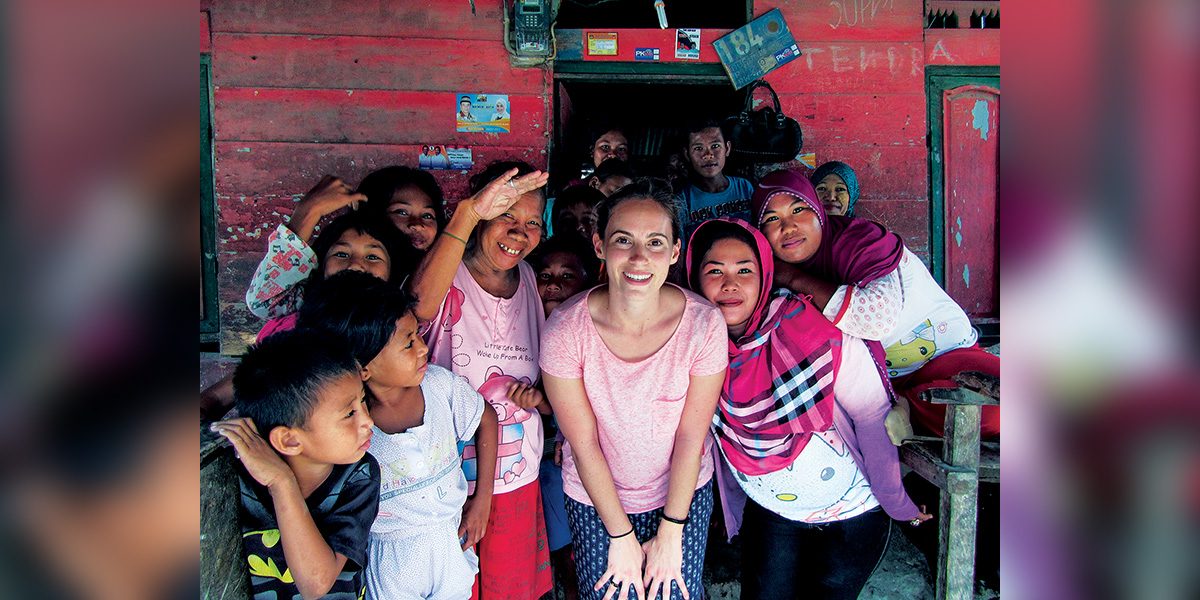
Melissa Ilardo, PhD, is passionate about working in the distinct field of genetic analyses on individuals, primarily in Indigenous populations who have adapted to unique lifestyles or environments.