Following the white sand beaches and emerald waters along the Florida Panhandle leads to a diverse set of wrecks and artifacts ranging from oversized sculptures to the largest purpose-sunk wreck in the U.S. This area of Florida is known as the Emerald Coast, and the visibility in this part of the Gulf of Mexico is superior to that along the Louisiana and Texas coastlines.
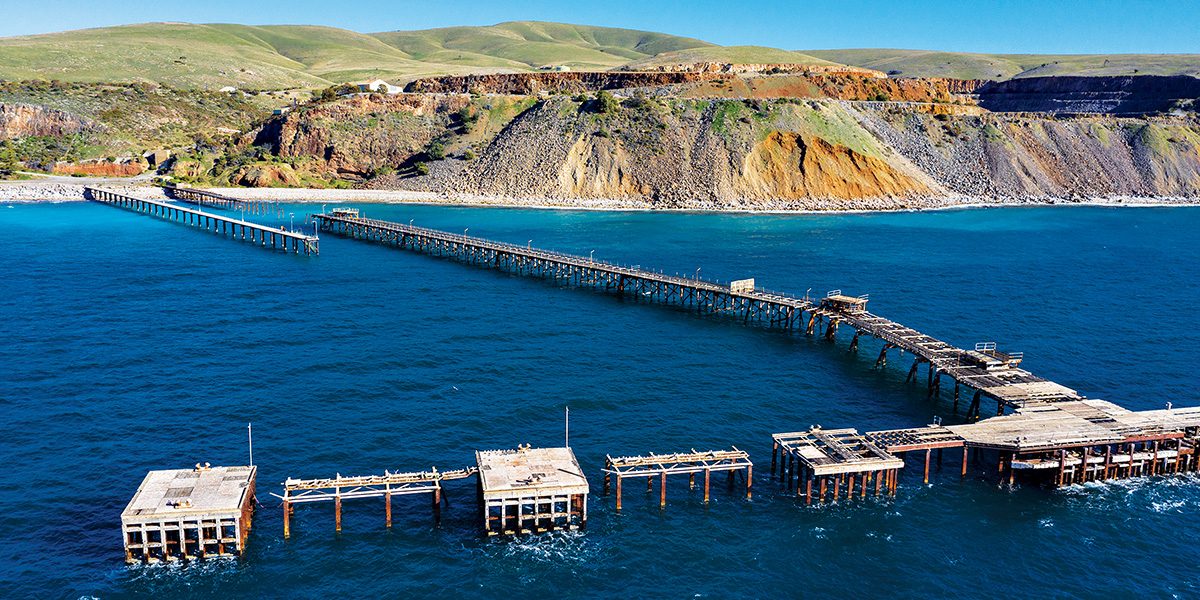
It is early June, the onset of winter in the Southern Hemisphere, and an army has just reached its destination. It has marched from the ocean’s depths into the shallows, amassing among the pilings at Blairgowrie Pier in Port Phillip Bay, south of Melbourne, Australia.
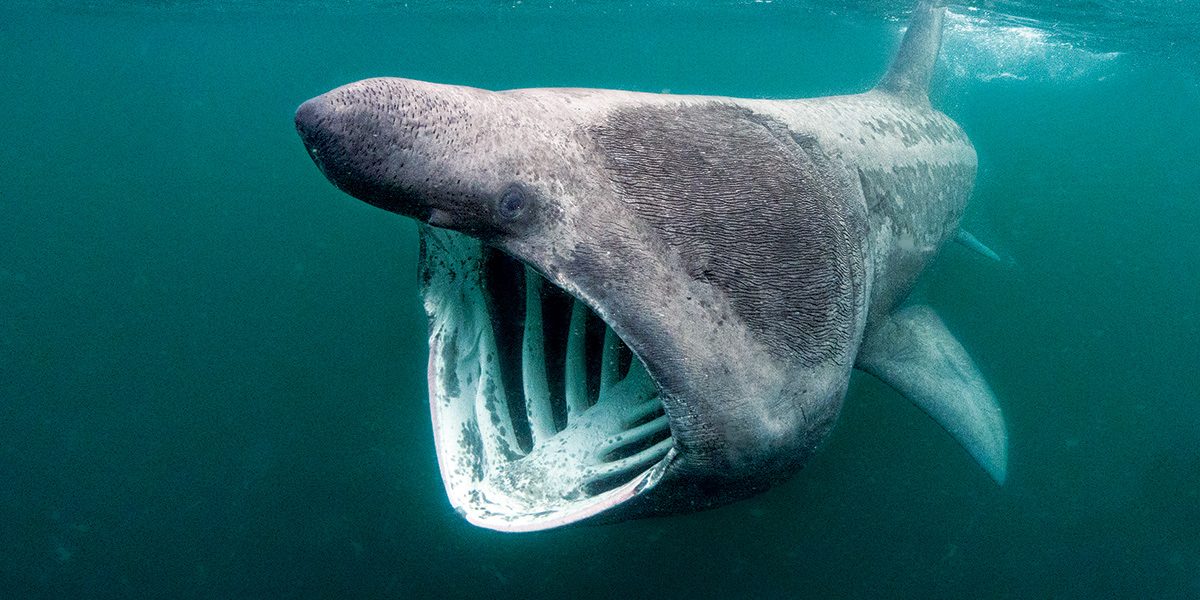
Whale sharks are easy. Basking sharks are hard. Whale sharks usually inhabit warm, tropical waters, while baskers prefer cooler, temperate regions.
A home gym isn’t necessary to work out at home. You can do this exercise program using readily available furniture and complete it in one session or spread the exercises throughout the day.
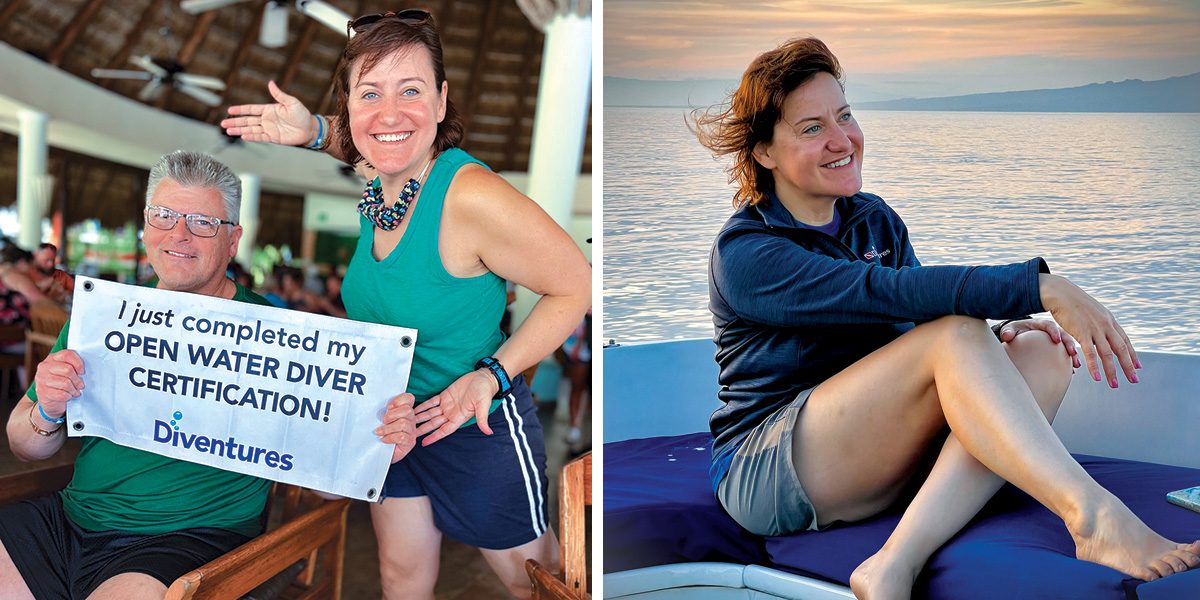
Young women beginning their careers as dive instructors regularly ask me how to be heard on a dive boat. Their experience is that guests don’t naturally listen to their directions. The dive industry has improved, and I don’t want to downplay the vast improvements that have already happened for women dive professionals. But this is a common question, so it remains relevant.
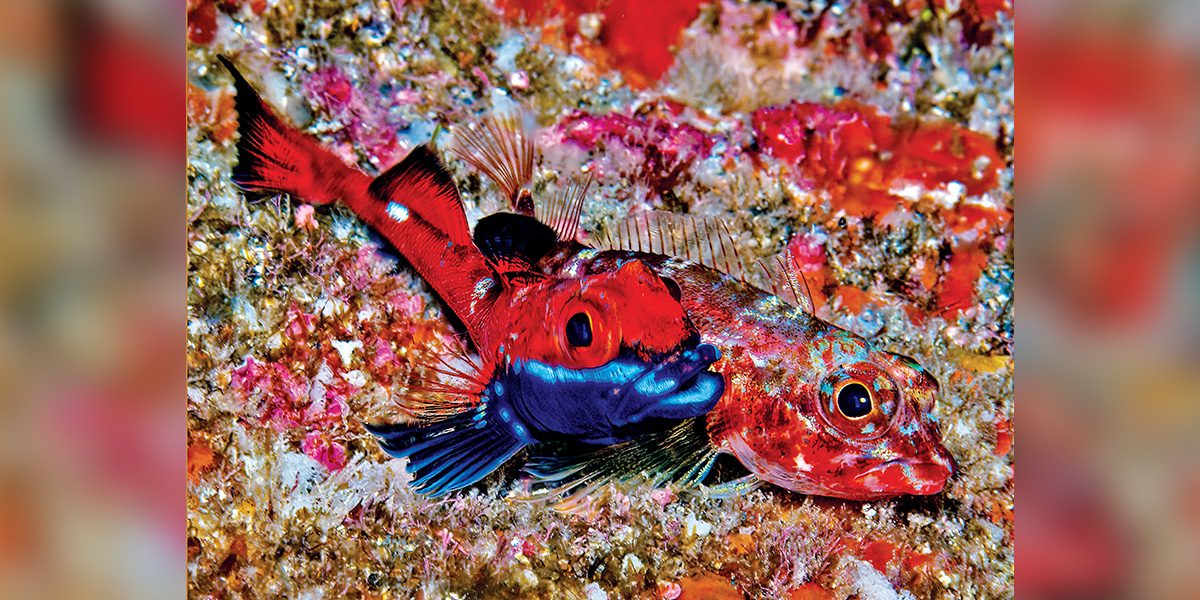
On our first trip to Hachijō-jima in 2015, we were in the company of friends on a mission to photograph a scientifically undocumented pygmy seahorse the size of a pumpkin seed. Even after a concerted four-day search, the tiny target eluded our efforts until a single seahorse miraculously materialized in the last minutes of the last dive on the last day.
To pee or not to pee? That is not the question for technical divers, instructors, or others who spend long hours in the water. Proper hydration and comfort ensure that urine will flow. The question is, What’s the best way to handle it?
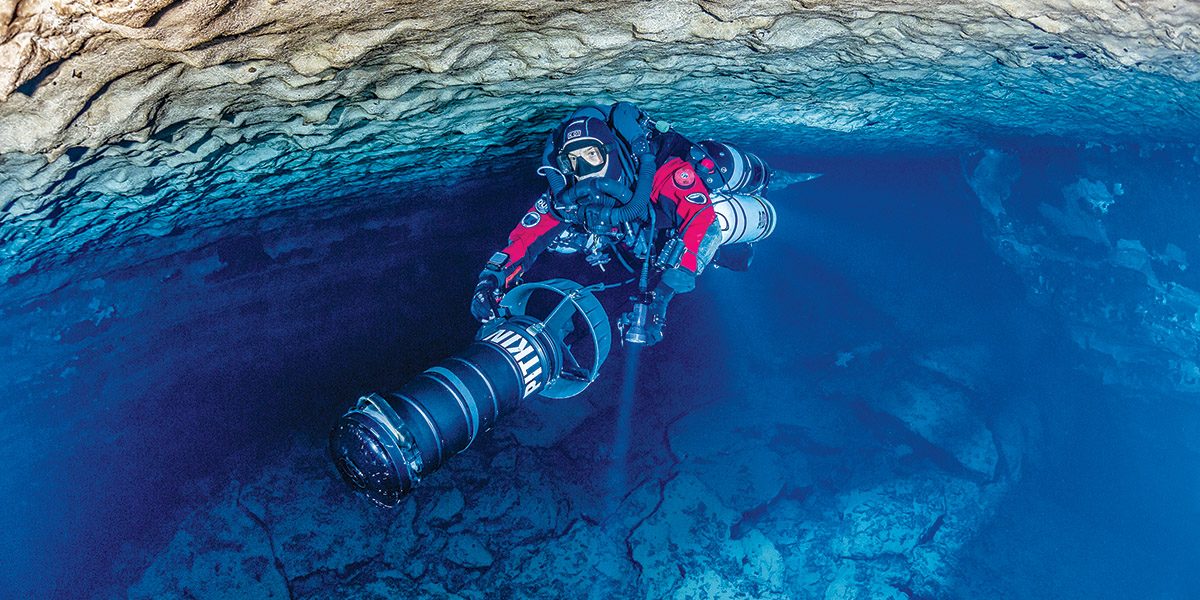
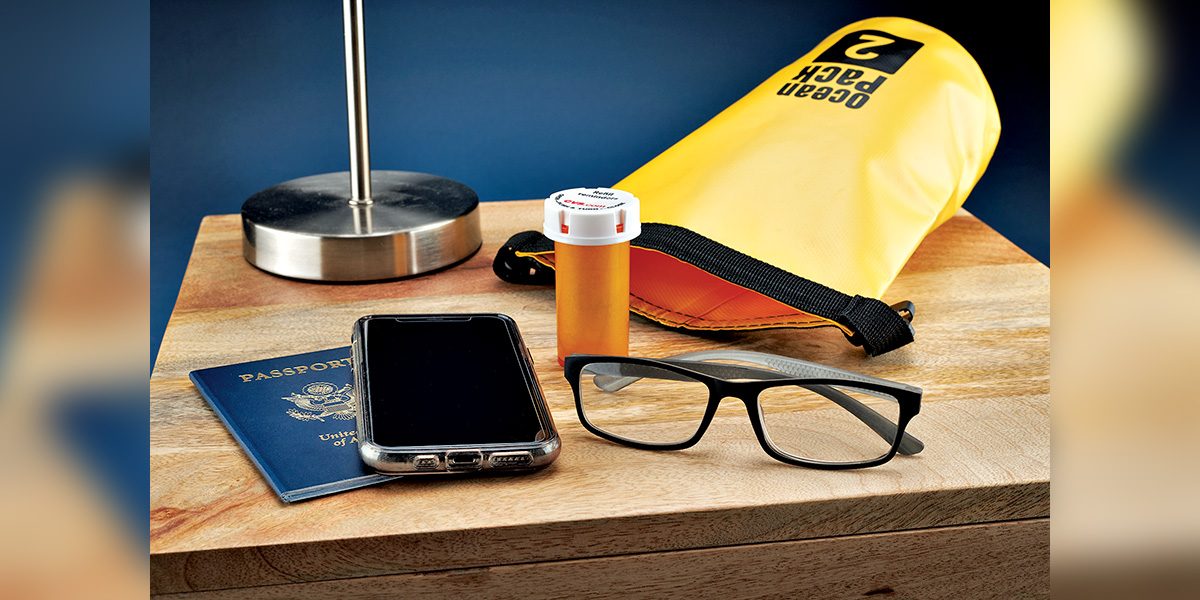
There has been much discussion in the dive industry about incidents and accidents that require emergency exits from liveaboards. While we understand emergencies are possible, we will continue to travel on liveaboards, so we should be prepared for the unexpected.
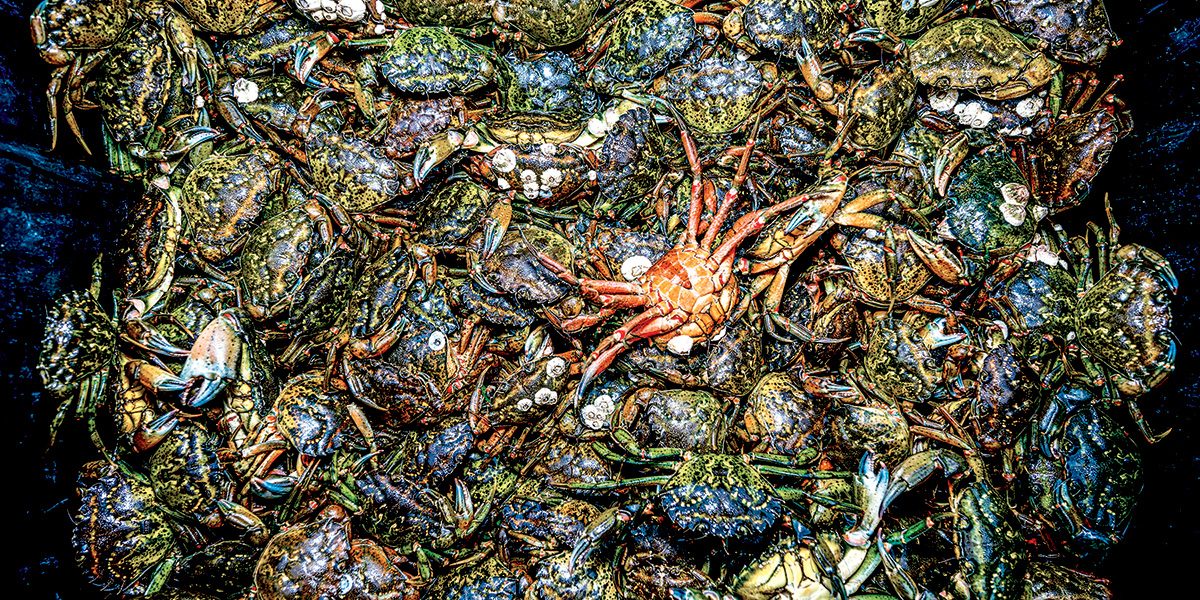
One of the world’s most destructive invasive species is gaining new ground — or water — in Canada and up to Alaska. Carcinus maenas, which translates to “raving mad crab,” outcompetes many local crab species in devouring clams, oysters, and mussels, and they sometimes even eat other crabs and juvenile fish. They destroy seagrass, an essential habitat for juvenile salmon, herring, rockfish, and many other marine animals.
DAN is a membership association, which means attracting new divers is essential to the long-term success of our organization.