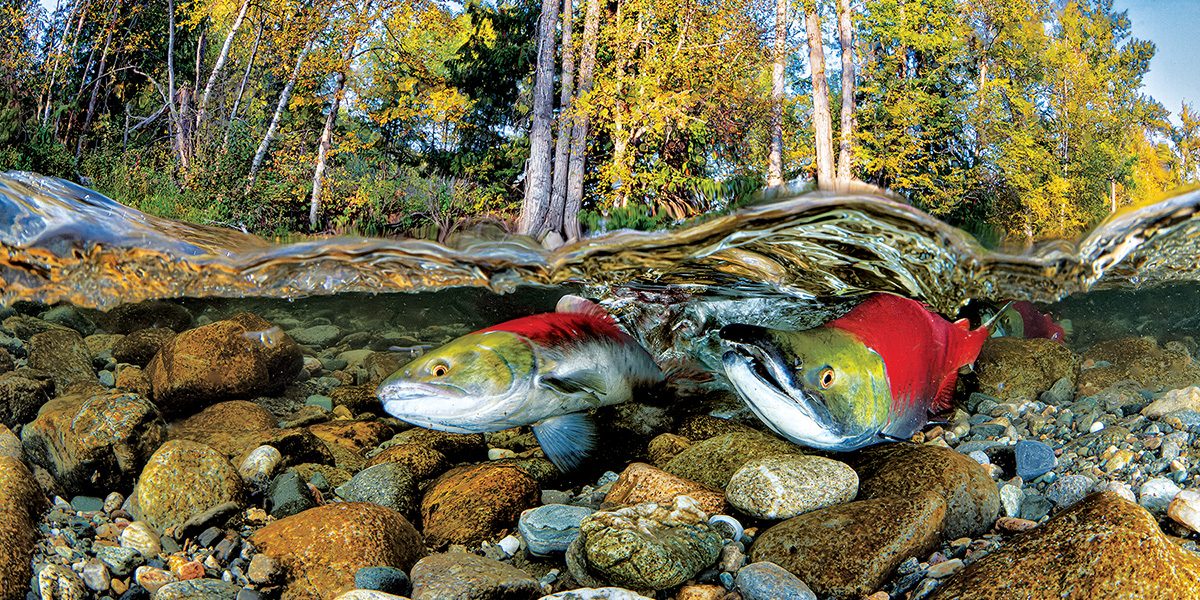
IN THE ADAMS RIVER IN BRITISH COLUMBIA, huge flows of sockeye salmon swim upstream to complete their life cycle, marked by the compelling need to return to their birthplace to spawn. Their unique journey from the ocean to their freshwater birthplace to reproduce is riddled with obstacles and dangers.
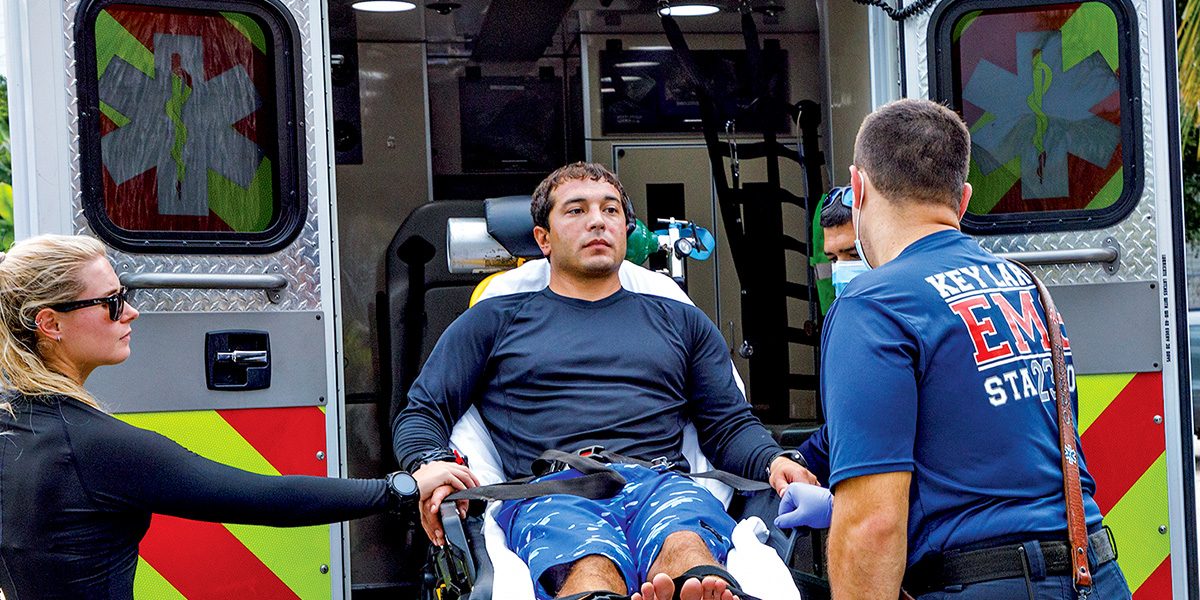
WHEN YOU NEED IT MOST, DAN will be here to help. We coordinate emergency evacuations and cover the costs for our members up to US$500,000 per person. Every DAN member is entitled to these emergency services as well as travel, medical, legal, and personal assistance.
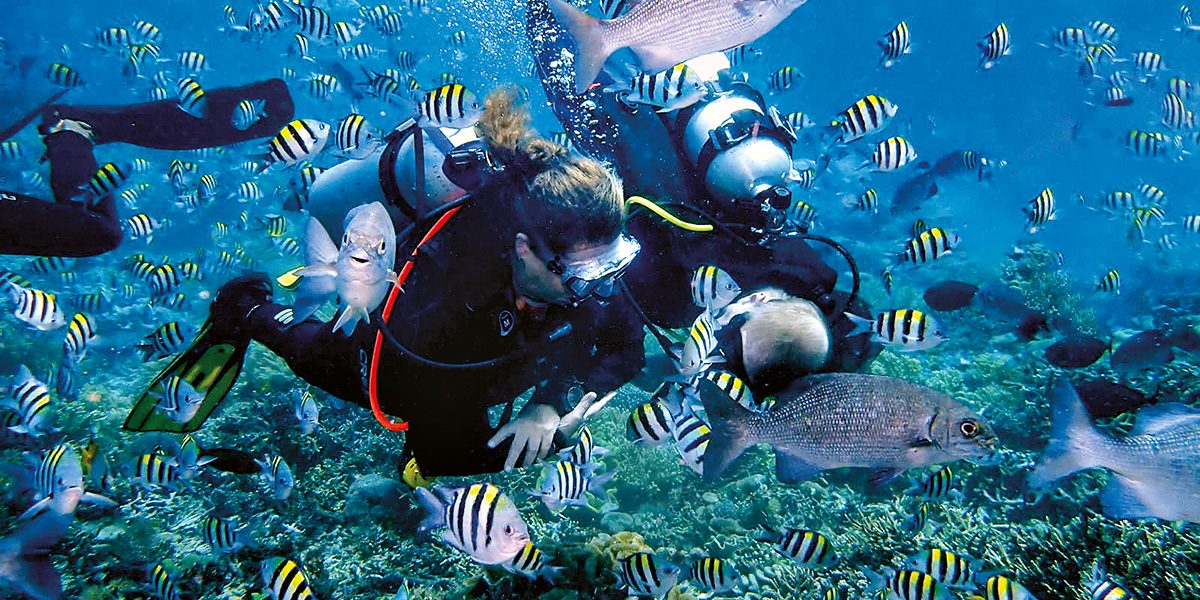
I’M ALWAYS AMAZED at what people will do for love. My girlfriend, who is terrified of the ocean, announced that she wanted to learn to dive and then accompany me on a trip to Raja Ampat, Indonesia. I was thrilled. We come from different backgrounds and always look for activities we can do together.
DIVERS ALERT NETWORK has published a reference document to promote medical fitness to dive throughout divers’ lives. Intended to be used by divers, dive professionals, and doctors, the document establishes a schedule for medical questionnaires and physical evaluations based on age and other relevant factors. The information is presented in both table and flowchart format for quick reference and ease of use.
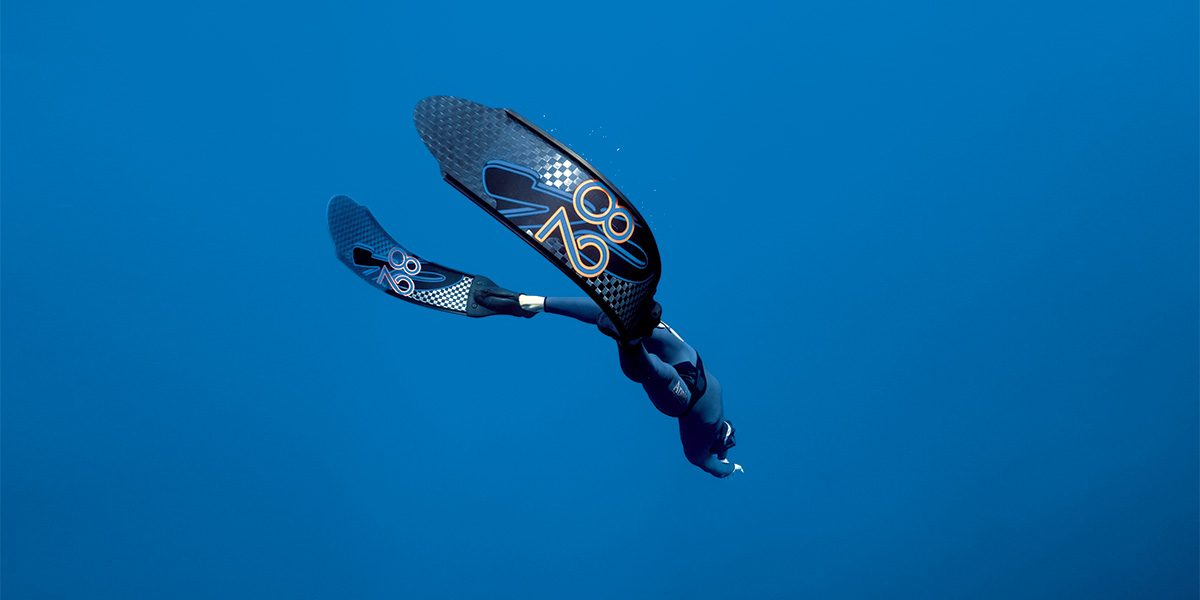
IN THE 1900s UMBERTO PELIZZARI was a young diver from Busto Arsizio, Italy, who was making headlines by breaking world records in constant weight and variable weight freediving. Needing an edge against his archrival, Francisco “Pipin” Ferreras, he sought advice on fins from a friend who was knowledgeable about innovative freediving equipment: Valerio Grassi, founder of Omersub.
WITH WILDFIRES RAGING IN CANADA, ITALY, GREECE, THE U.S., and elsewhere, divers and dive operators have called DAN Medical Services and DAN Safety Services with concerns about whether the smoke from wildfires may contaminate breathing gas.
MARITIME TRANSPORT HAS MORE TO DO WITH CORAL DISEASE than you might think. Just like most animals, corals can get diseases. Researchers first recognized coral disease in the early 1970s. It has increased over time and become a significant threat in many areas of the world.
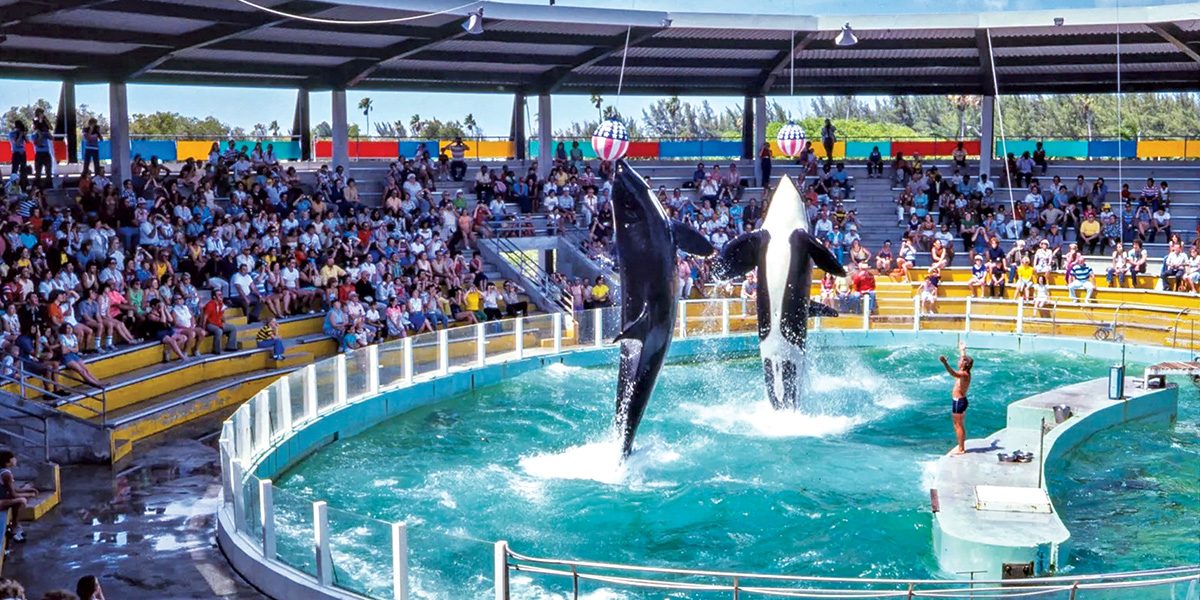
HER NAME WAS TOKITAE, which means “nice day, pretty colors” in the Coast Salish language. The Lummi Nation knows her as Sk’aliCh’elh-tenaut, which is a historical reference to the Penn Cove area, where she was captured along with other young southern resident killer whales (Orcinus orca) in August 1970 near Whidbey Island, Washington, when she was about 4 years old.
IMAGINE SCROLLING THROUGH SOCIAL MEDIA posts or flipping through your favorite dive magazine. Your eye catches a photo of the most pristine waters you have seen. The sun is peeking through the surface, beautifully illuminating coral in pops of color in every direction. A diver overhead perfectly balances the composition.
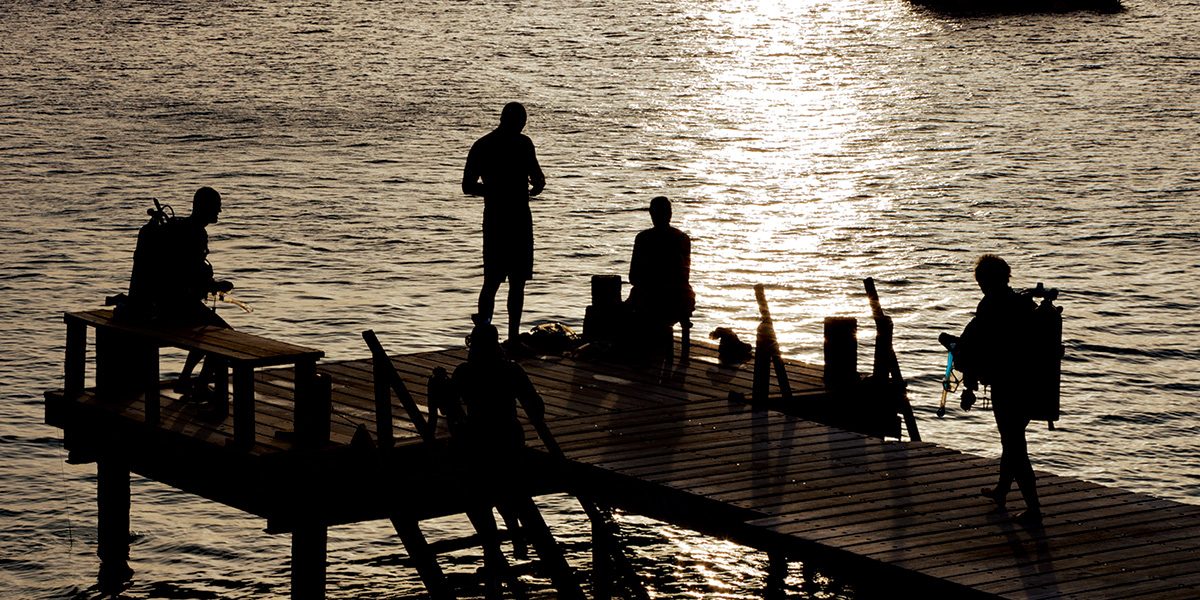
A READER RECENTLY BROUGHT TO OUR ATTENTION that over the years multiple Alert Diver contributors have credited a particular dive instructor with providing training that saved their lives.