Imagine waking up in the early hours of the morning at your favorite dive site. The sun hasn’t quite peaked above the horizon, and light is minimal. You don your dive gear, grab your camera, and giant stride off the back of the boat to begin your descent into the dimly lit ocean.
Explore Underwater Video 101 and discover tips for shooting, editing, and sharing your underwater adventures effortlessly.
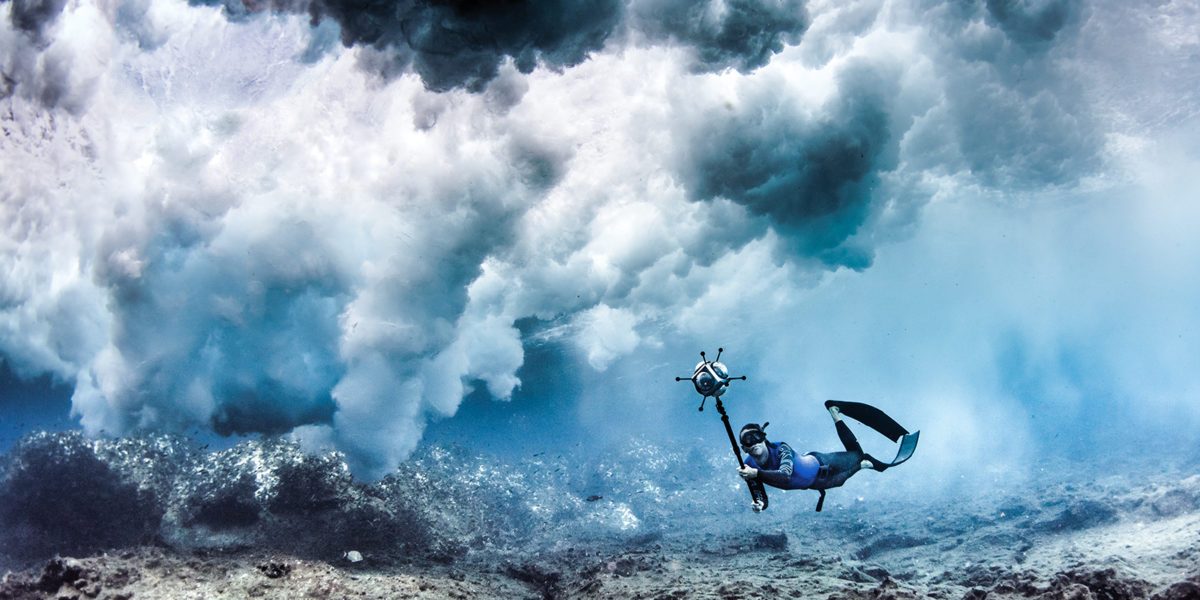
A STATEMENT ON FRED BUYLE’S WEBSITE briefly explains his approach to underwater photography: “To take his pictures and videos, Fred uses a simple formula: the water, available light, a camera, and one breath of air, nothing more, nothing less.” I would add to that list an extraordinary eye for composition and a passion for placing himself […]
Over the years I have often admired Gerald Nowak’s underwater photos. There is so little overlap between the markets available to European versus North American photographers, however, that I did not know the backstory of his career. A recent phone call rectified that.
With our finite time and limited light underwater, every image-capture quest is like a treasure hunt. We all have different ideas of what is treasure: It may be marine mammals, shipwrecks, reef corals, or icebergs. I like to go beyond a single underwater subject and look for something more abstract. Pattern, form, and color rule my world.
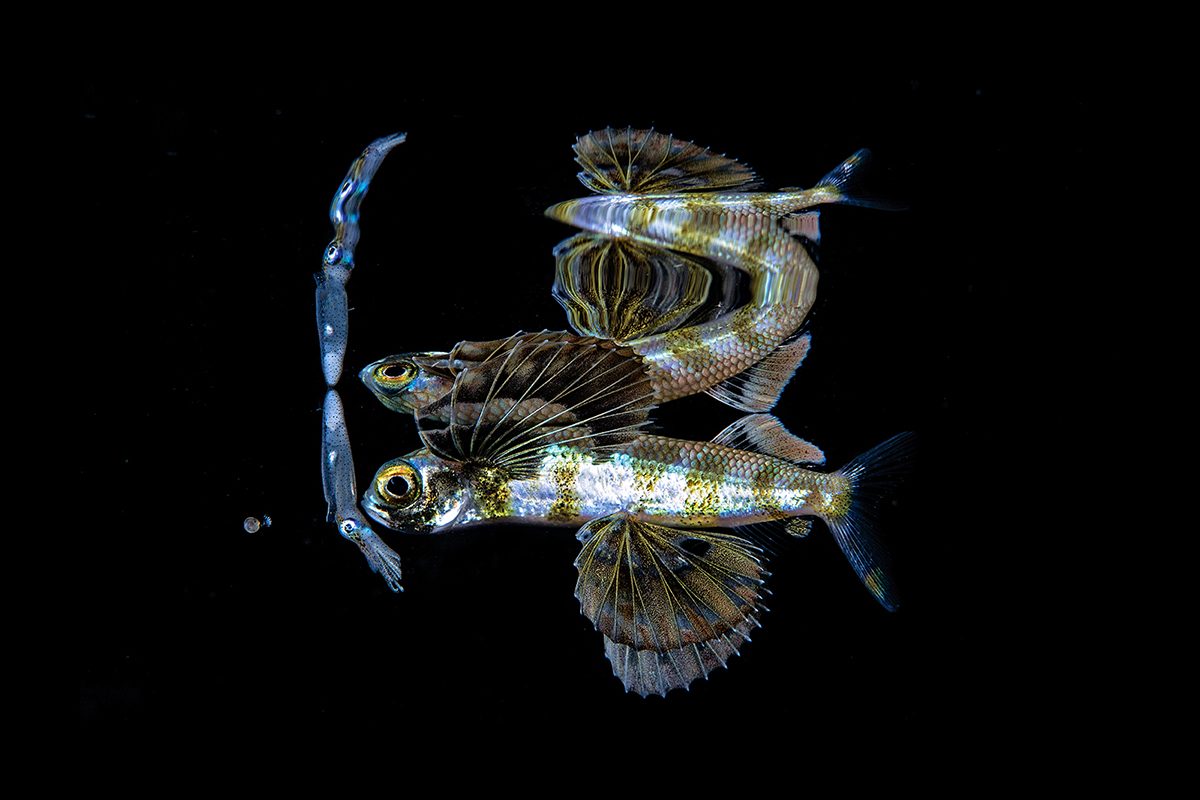
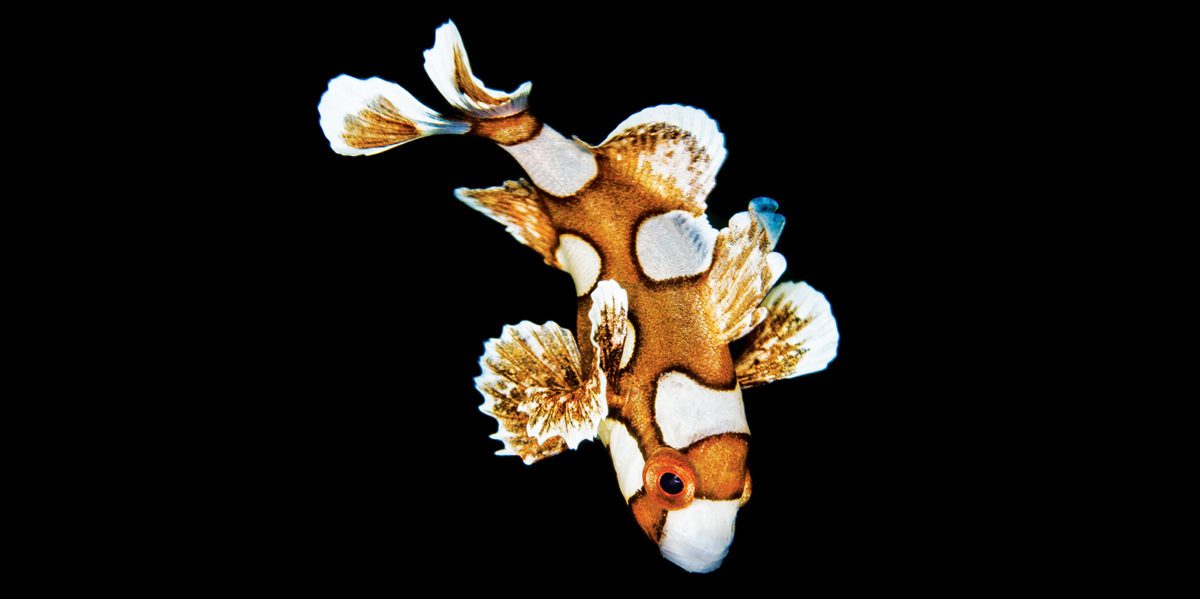
I FIRST MET SCOTT “GUTSY” TUASON at a Diving Equipment and Marketing Association (DEMA) trade show in 2016. “You need to see his blackwater work. You’ll be blown away,” …
Having their work showcased in a print magazine is one of the greatest satisfactions for underwater photographers.
Experience the Amazon like never before with Thomas Peschak. Discover the stories behind Destination Amazon and the river’s significance.
UNDERWATER PHOTOGRAPHERS SPEND ENORMOUS AMOUNTS OF TIME, energy, and money pursuing subjects. We often select our dive destinations with specific subjects in mind. Sharks or manta rays …
In the opening chapter of The World Beneath: The Life and Times of Unknown Sea Creatures and Coral Reefs, his acclaimed combination coffee table book and coral reef reference guide, Richard Smith, PhD, recalls his six months of shore diving and research in 2007 at the Wakatobi reefs in Indonesia.