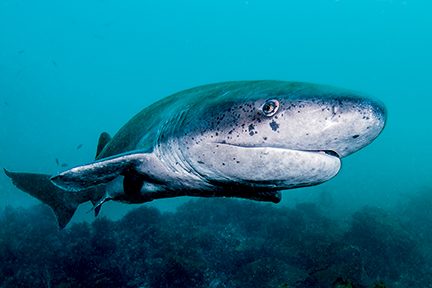
WHEN I MOVED TO SAN DIEGO, CALIFORNIA, from New England in January 2007, I knew next to nothing about the area. As I made my way across the country, I considered my future — one that was hazy, although it seemed likely to involve fish tacos and a diminished need to say that I “loved the seasons.” I had an easier time envisioning the local diving: towering kelp forests and sharks everywhere.
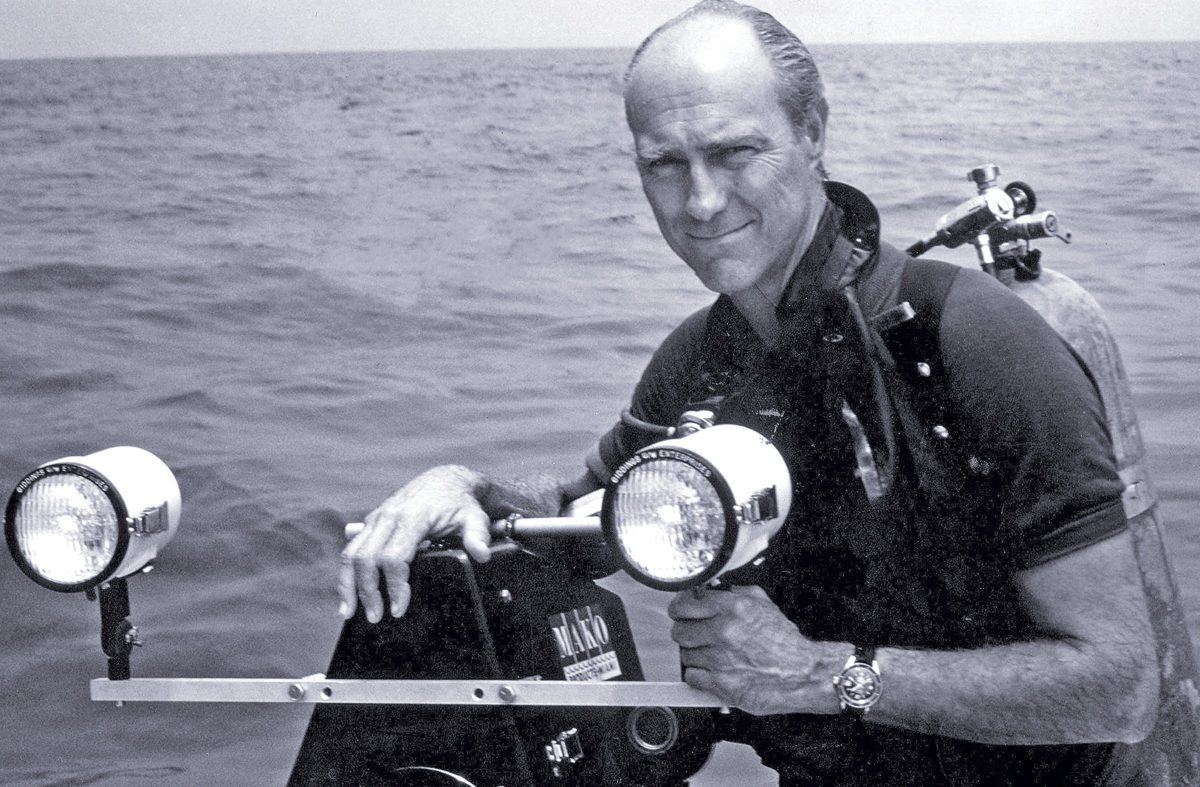
EVEN THOUGH I WAS A photojournalist for Skin Diver magazine for 17 years, one of the covers I most remember was not one I shot but a portrait of Stan Waterman that Geri Murphy took for the September 1982 issue.
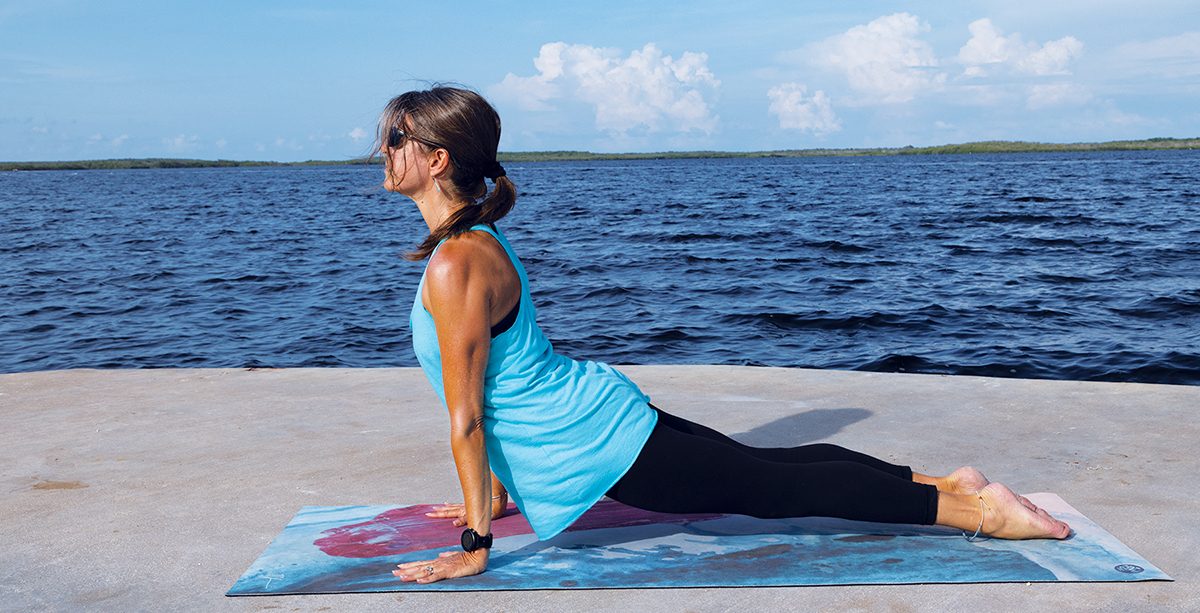
YOGA KEEPS YOU YOUNG, at least from a physiological perspective. Regular yoga practice can counter the effects of aging by regularly moving joints through a full range of motion, improving strength and balance, and reducing stress.
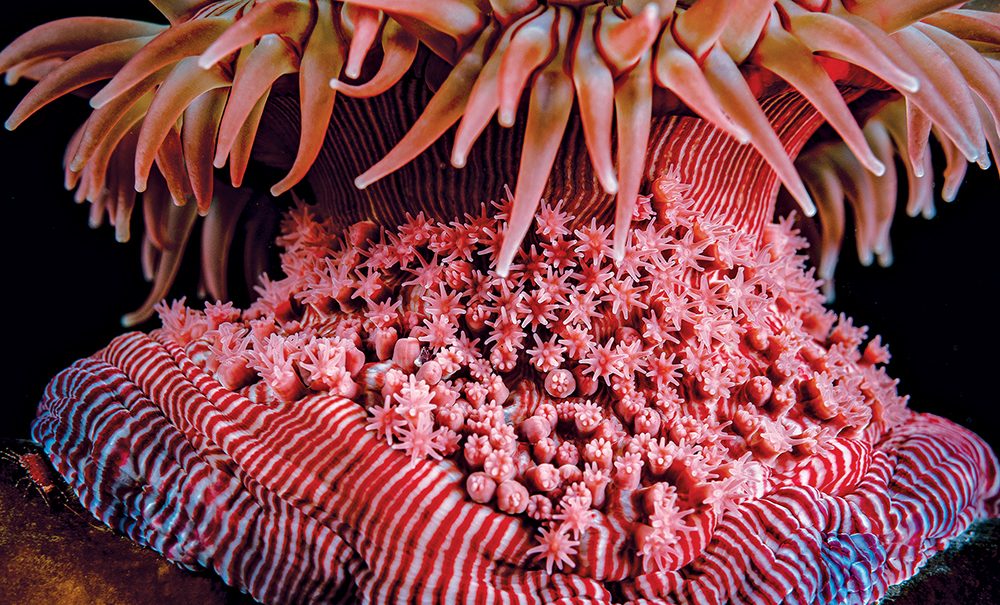
UPON SURFACING, I heard a fellow diver ask, “How cute are those brooding anemones?” This observation piqued my interest because I’d never heard of this behavior despite a lifetime of watching nature documentaries and reading dive magazines.
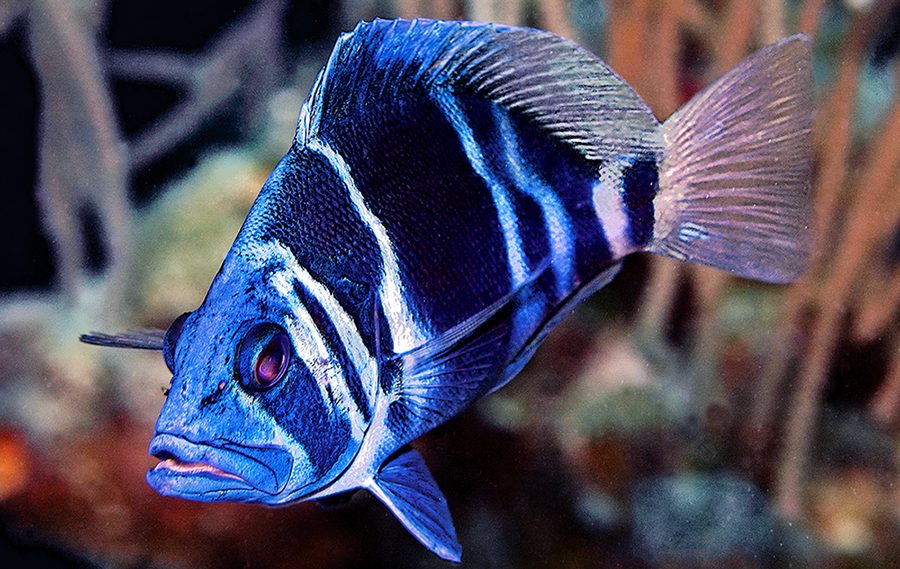
SINCE THE LATE 1800S, debate among marine taxonomists has swirled around the species status of the stately little Caribbean sea basses in genus Hypoplectrus, commonly known as hamlets. At the heart of the controversy is the essence of taxonomy: What defines a species?
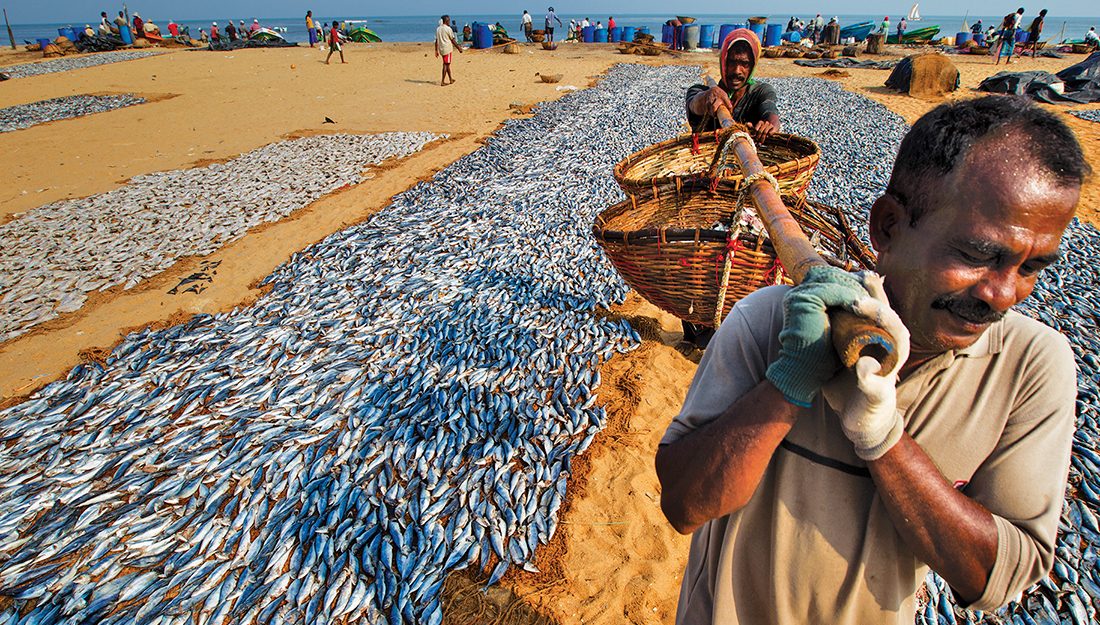
SEAFOOD HAS LONG BEEN AN INTEGRAL PART of the human diet, and some people consider it to be an inexhaustible food source.
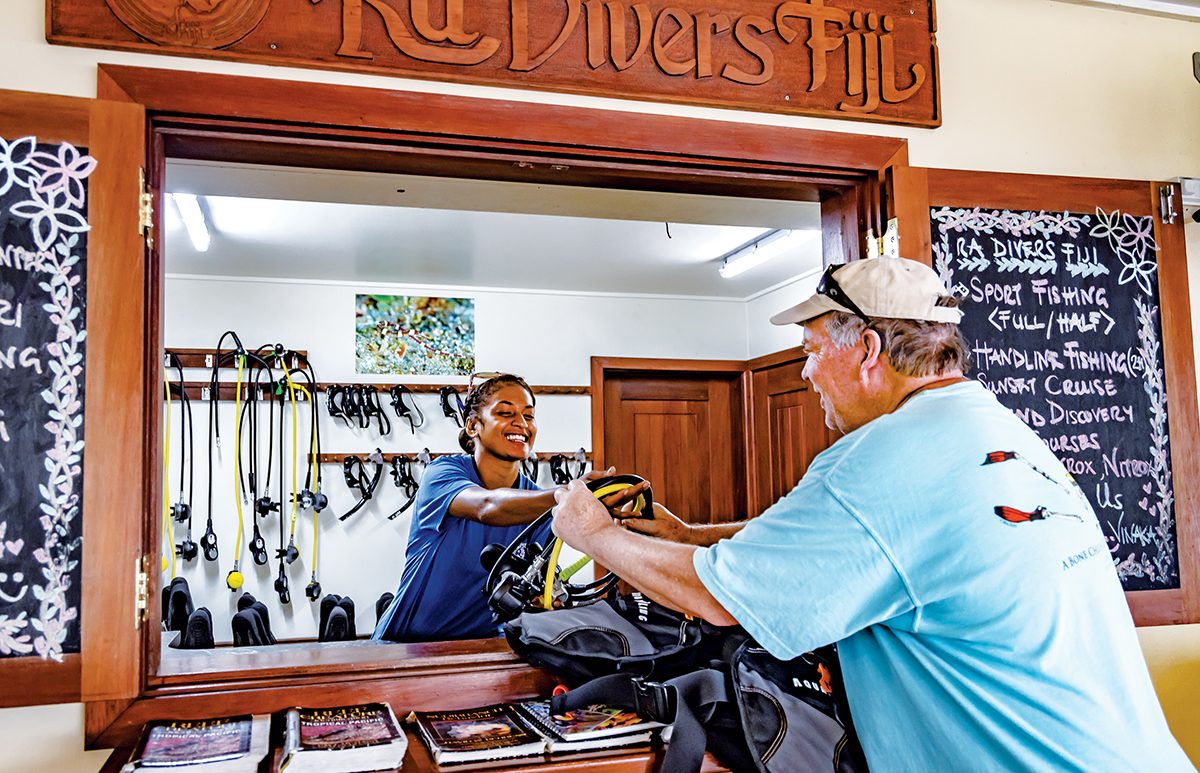
IMAGINE RENTING A CAR, NAVIGATING TRAFFIC ON UNFAMILIAR ROADS, and then finding yourself in a heavy rainstorm — only to realize you don’t know how to operate the windshield wipers. You would not want to replicate this situation underwater with dive gear.
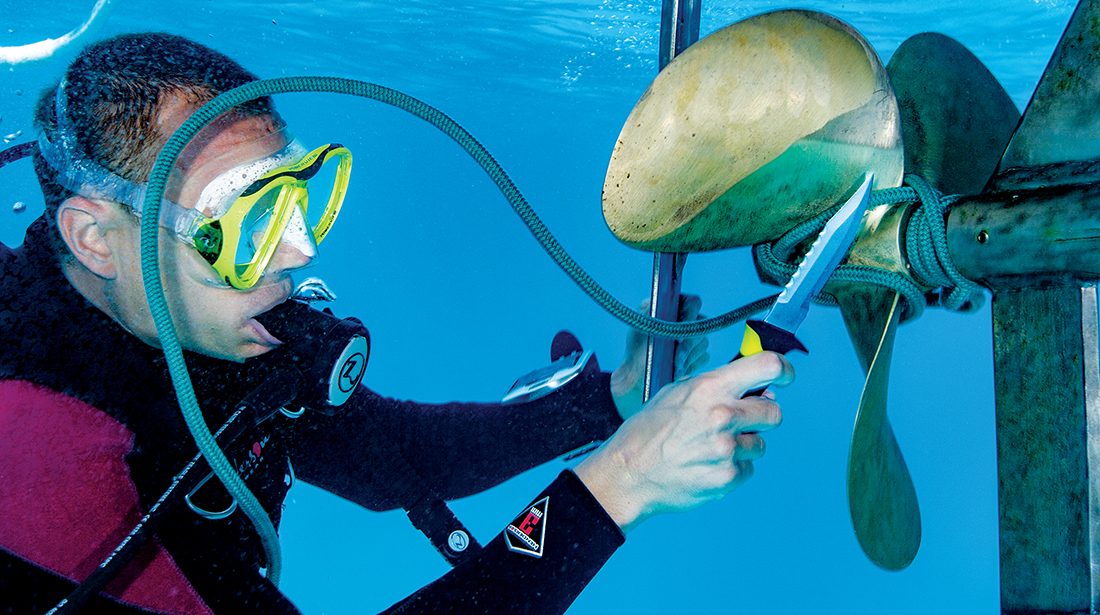
THE DIVE KNIFE IS AN ICONIC PART OF A SCUBA DIVER’S GEAR. Since the inception of diving as a recreational activity, the dive knife’s presence in a diver’s equipment has influenced the public image of scuba diving as a dangerous sport and placed its participants in a league of their own.
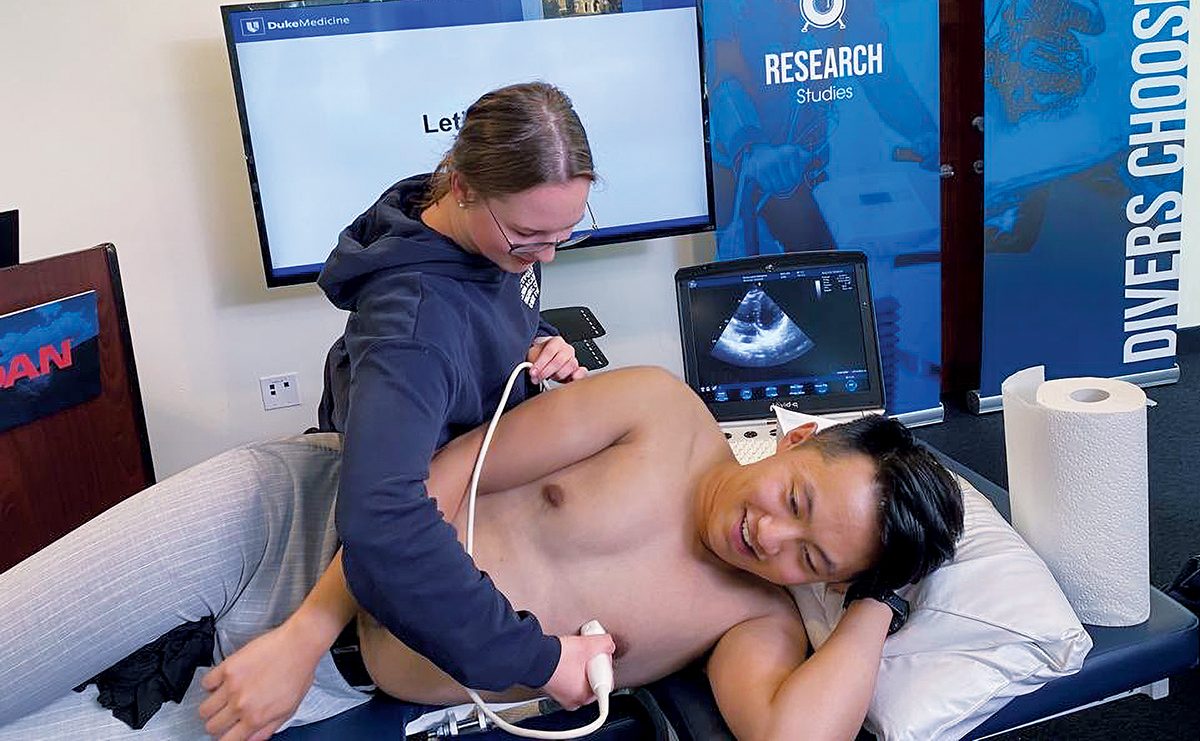
DAN RESEARCH IS CONTINUALLY LOOKING for divers, researchers, and health care professionals to volunteer to support our work. Depending on your availability and location, you might qualify as a diver in a DAN research study — online or in the water.
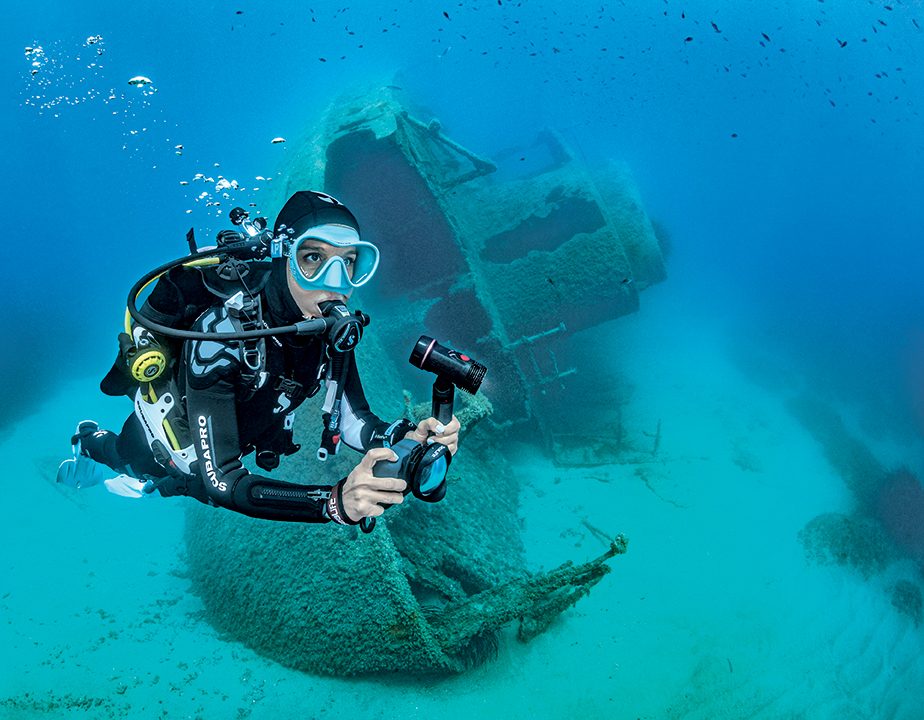
MANY DIVERS DON’T WANT TO TAKE LARGE digital single-lens reflex (DSLR) housings or expensive mirrorless cameras on their dives. Their goal is to capture memories to show their family or post on social media, not to get the highest-quality underwater images.