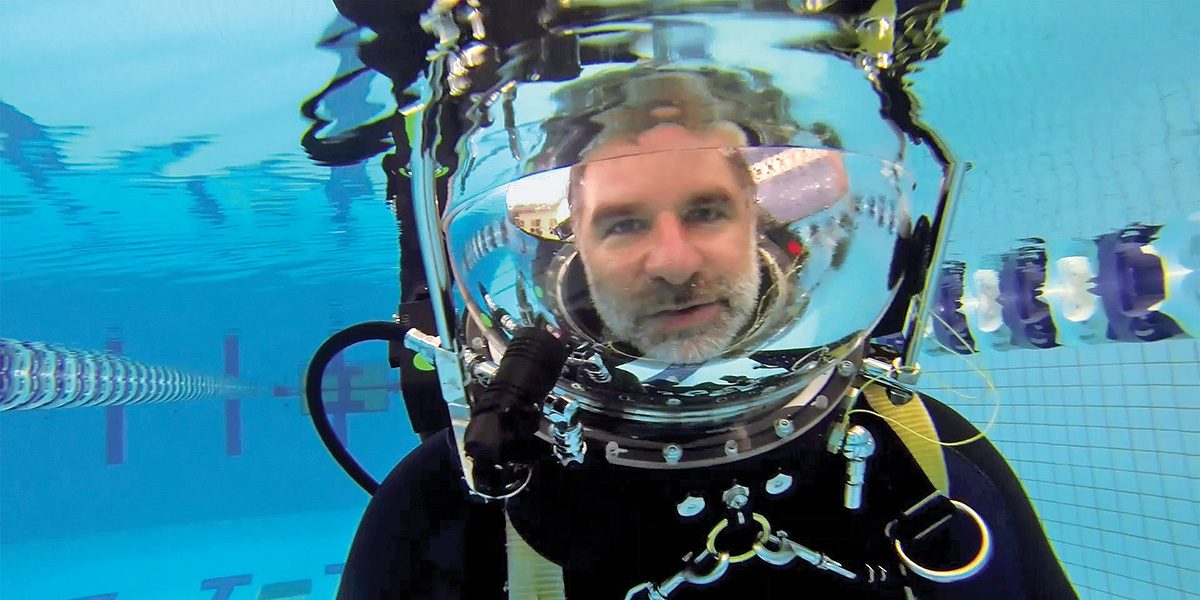
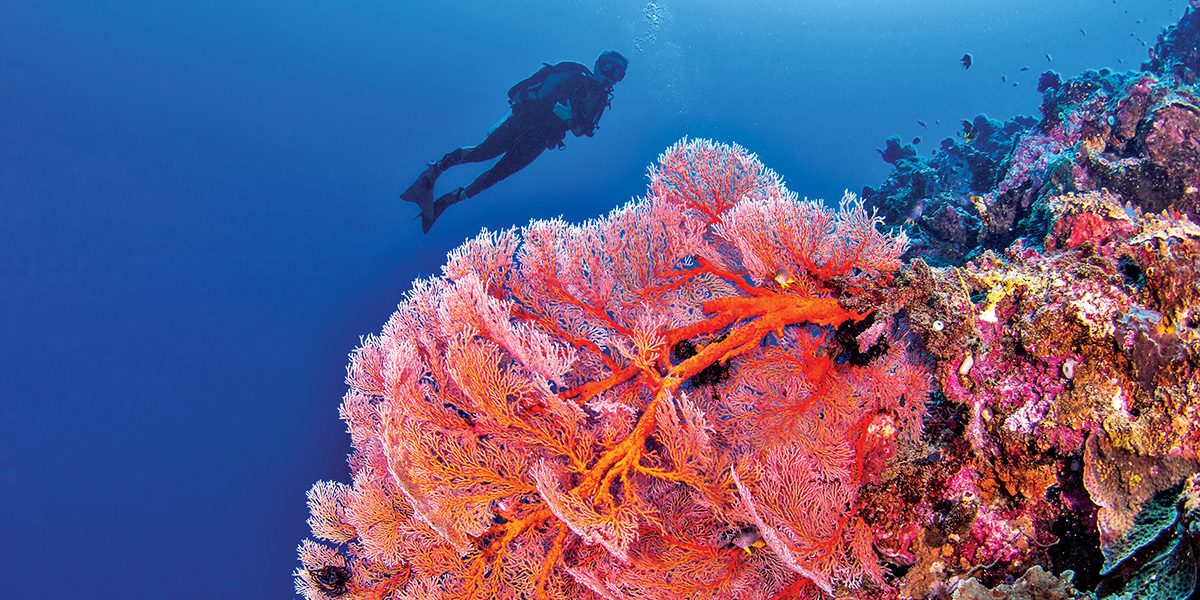
BEFORE THE INTERNET WAS AVAILABLE, people read print magazines to learn about scuba diving — how to do it, what gear to buy, and where to go. For 51 years, from 1951 to 2002, the king of the genre was Skin Diver magazine. The undisputed queen of cover photography for Skin Diver was Geri Murphy.
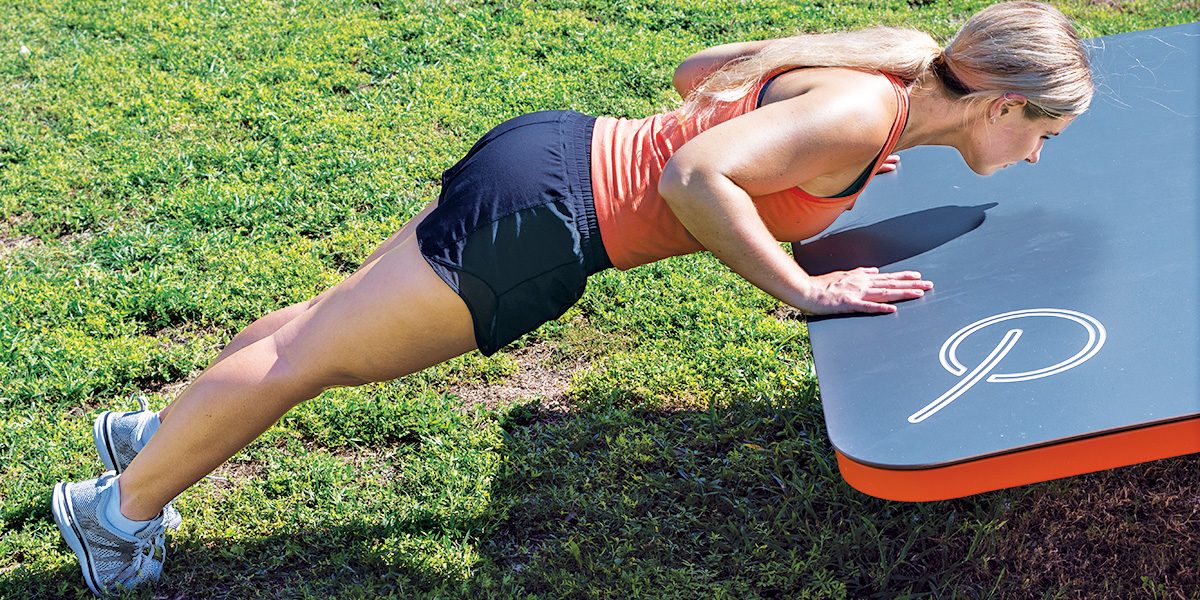
PLAYGROUNDS ARE GREAT PLACES for an outdoor workout while traveling. Most local parks have equipment that can facilitate the exercises in this article. Adult fitness playgrounds are ideal but less common than traditional playgrounds. Always be mindful of children’s personal space when utilizing traditional playground equipment. These exercises are also a great option for incorporating family fitness on vacation.
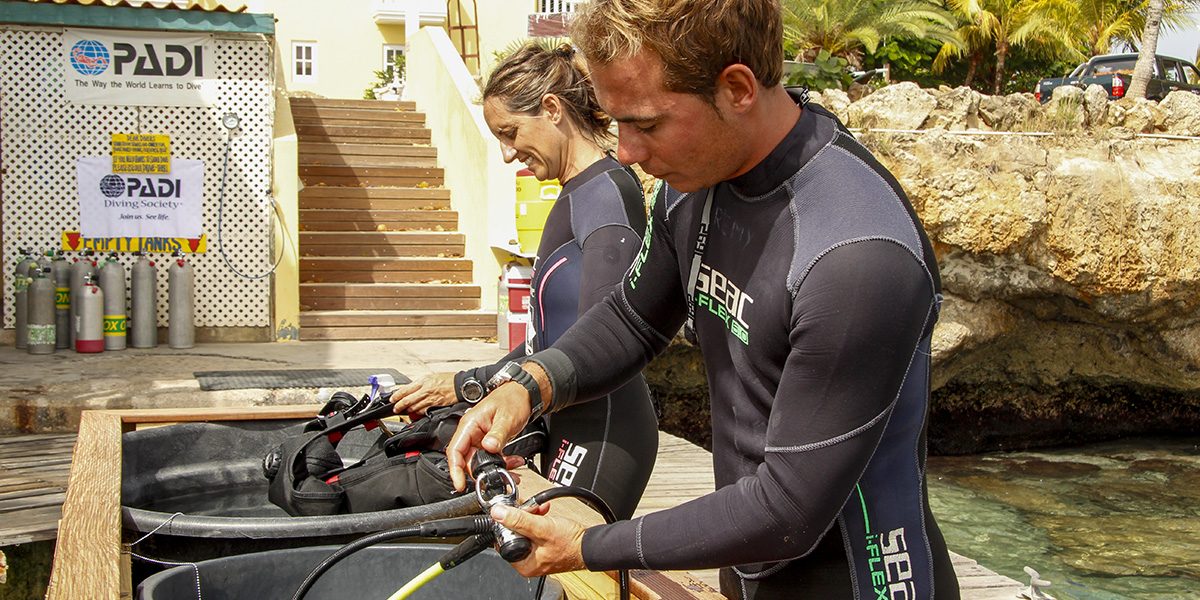
AFTER THE INITAL SCARE AND LOCKDOWNS FROM COVID-19, divers soon started to explore ways to safely get back into the water. Disinfection has always been a consideration in diving, but we needed new standards to allay fears of uncontrolled transmission of infectious diseases.
DIVING IN TOBAGO is defined by the abundance and diversity of marine life in its surrounding waters. Tobago, one of the two islands comprising the Republic of Trinidad and Tobago, is about 30 miles long and more than 10 miles across at the widest point. It is geographically unique because of its location where the Atlantic Ocean meets the Caribbean Sea.
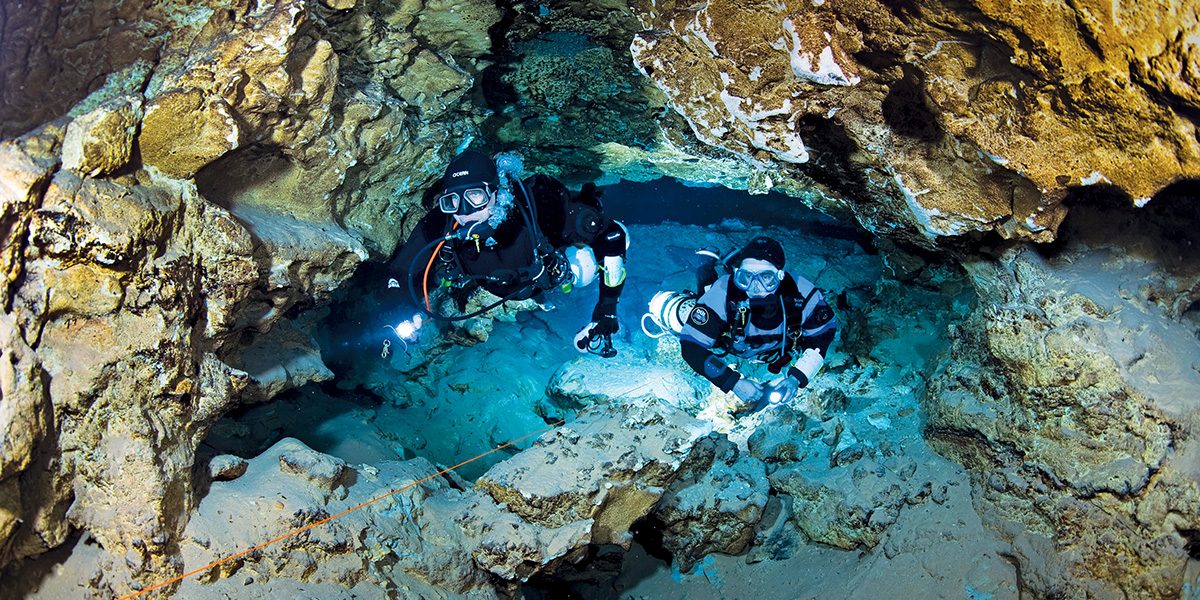
MY DIVE BUDDY AND I planned to do a longer than usual dive one Saturday morning at Madison Blue Spring State Park in Lee, Florida. For several years and more than 100 cave dives together, we had built up our experience as a team and our time spent in this specific underwater cave system in northern Florida. We had slowly extended the duration and distance of our dives in this labyrinth of underwater tunnels that weaved throughout the karst limestone of the park, increasing our familiarity with the system while also practicing the skills that we had learned and continued to build on to be safe cave divers.
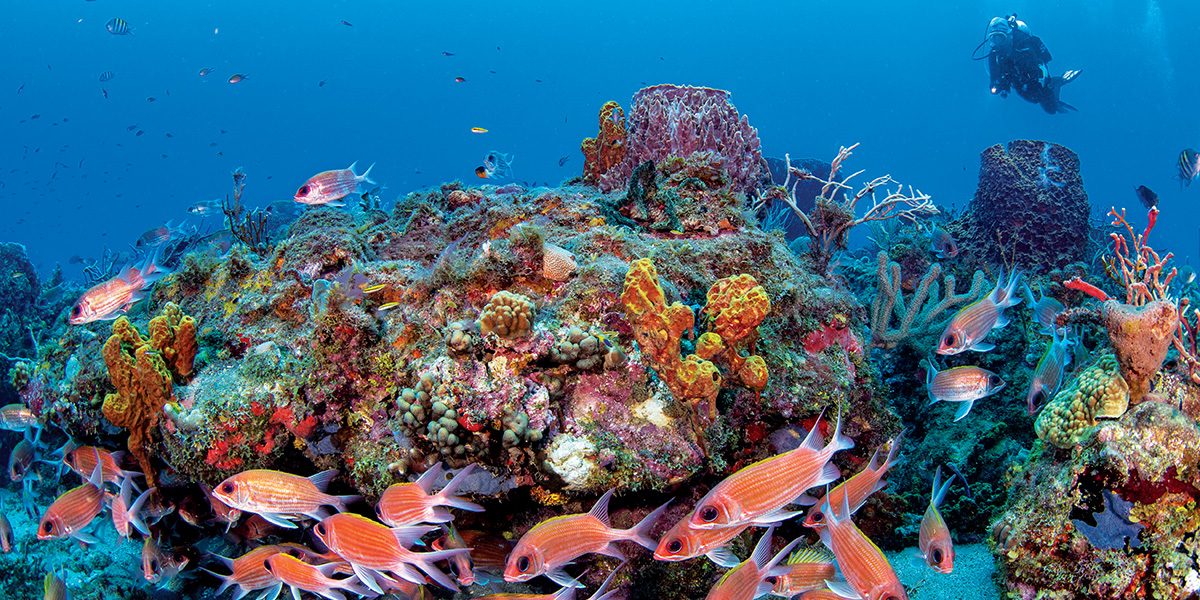
WHEN I THINK OF PARADISE, it’s warm blue water, friendly people, and pristine, uncrowded dive sites. Such places are rare these days and are usually expensive to visit — or that’s what I thought until I learned about St. Eustatius, a tiny island in the Caribbean that is also known as Statia. Nestled between Saba and St. Kitts in the Dutch Caribbean, Statia is just a short flight from St. Maarten.
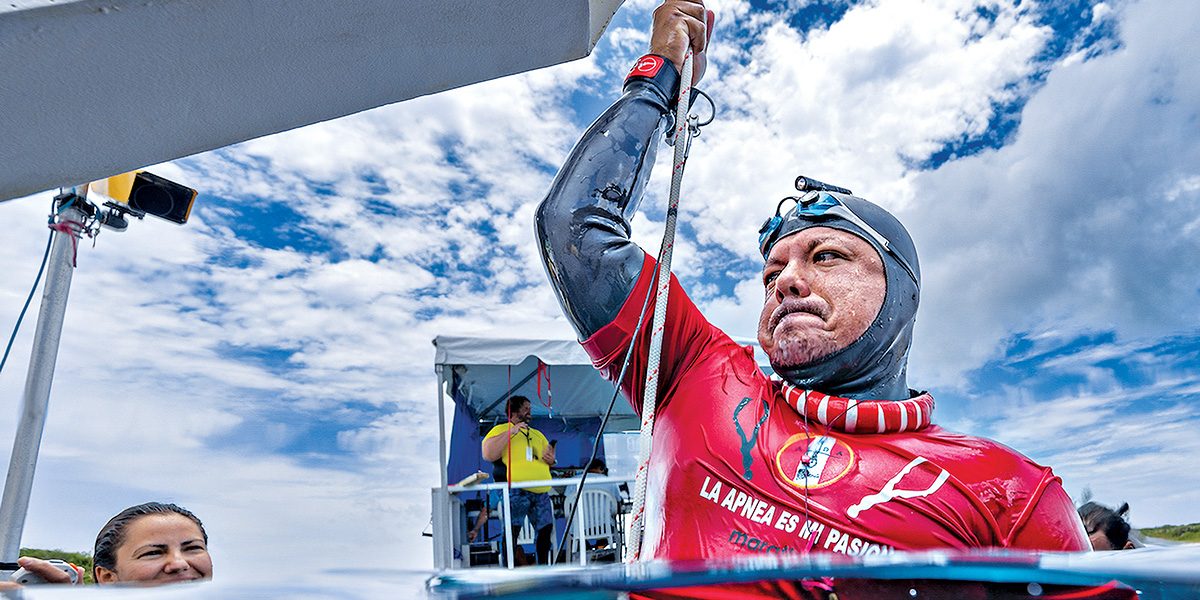
THE RAPID GROWTH OF FREEDIVING in the U.S. brings a positive light to a sport that is mentally healthy and physically inspiring but has little tolerance for error. Shallow-water blackout and respiratory barotrauma are the most feared consequences of freediving, but they can be minimized with training and good safety practices.
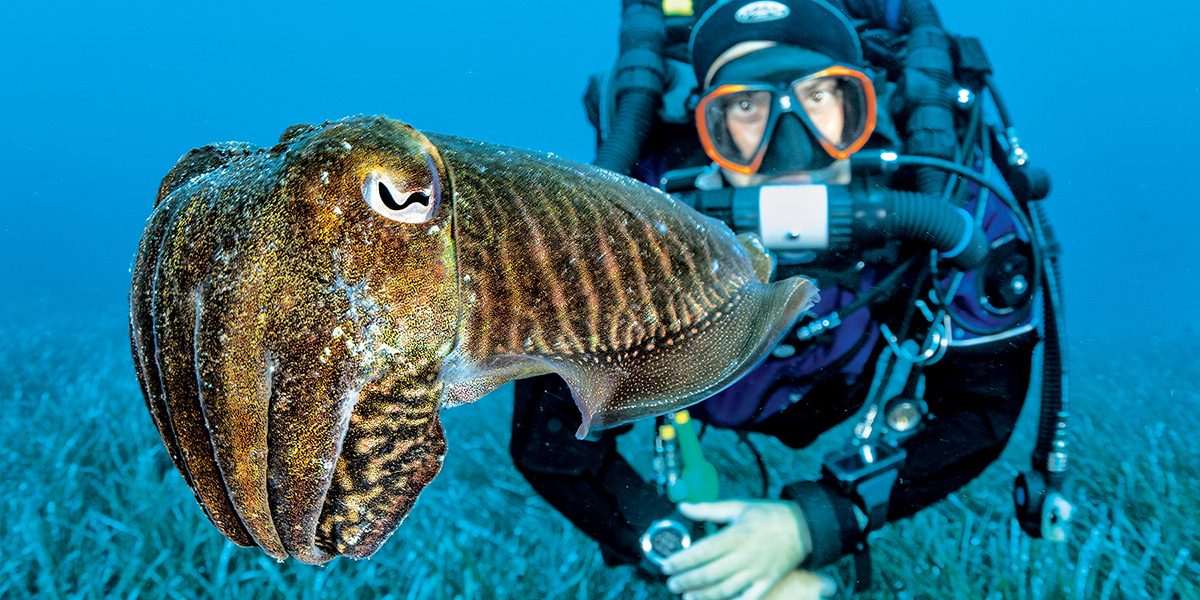
THE CRYSTAL-CLEAR EASTERN ADRIATIC SEA is promising and seductive. The tiny islands, with their rocky beaches, upright cliffs, and hidden lakes, offer a variety of environments and ecosystems that are among the Mediterranean’s most intact and pristine. The southern part of the Adriatic’s Croatian side has steep, rocky plateaus with plenty of bridges, cracks, and caves. The sea has opened gaps in the porous rocks, carving and shaping cathedrals entirely built of limestone.
FISHING AND BEING ON THE WATER with family while growing up influenced Michael Lombardi to study marine biology. He and a friend got certified to dive during his junior year of high school, thinking it would be a useful tool for his desired field. Lombardi had no idea what professional diving meant or where it would take him.
Everything changed for Una-Una on July 14, 1983, when a volcanic eruption destroyed the central hub of Indonesia’s Togean Islands in central Sulawesi. Lava covered 90 percent of the island, and thick, black smoke rose into the sky more than 9 miles high. The Indonesian Navy had evacuated all 7,100 inhabitants when the volcano gave signs of its impending eruption, preventing any loss of life.