Bringing Motion and Emotion to Underwater Photography
The sea enthralled lmran Ahmad from a very early age. Growing up in Singapore, young lmran never missed an opportuniry to go fishing with his father, a police officer, on their boat off the coast.
He recalls an early conversation with his father, suggesting his path might be different from his peers. After watching a National Geographic television special that featured divers and their underwater cameras, he told his father that’s what he wanted to do when he grew up.
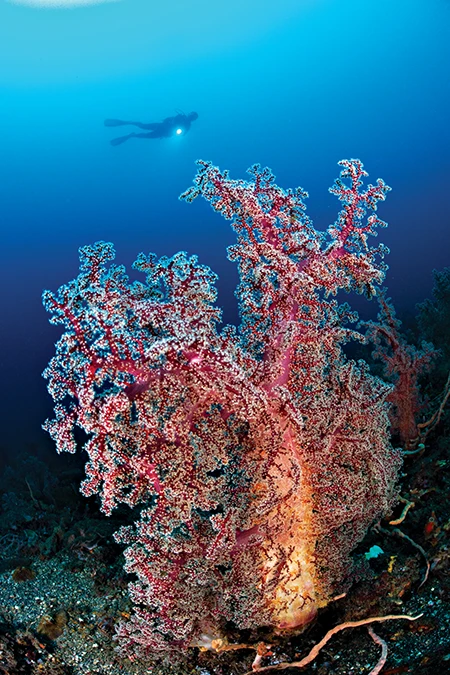
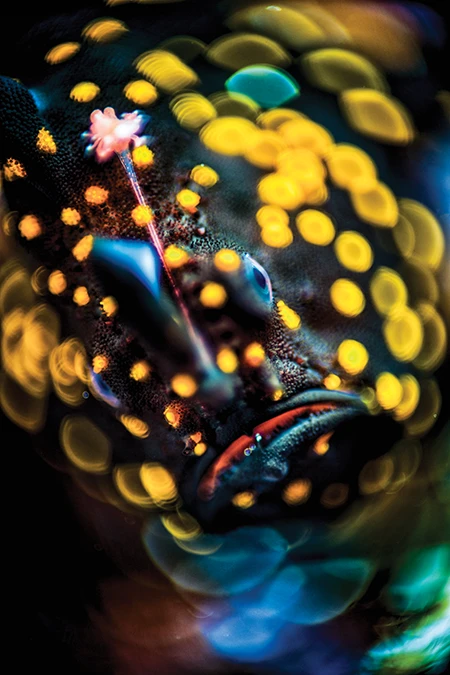
While lmran’s father initially pushed back, saying their family’s aspirations for him aligned more with engineering, medicine, or finance, that resistance didn’t last long. By the time lmran was 8, his father had bought a camera and showed him how it worked.
lmran became fully immersed in the National Geographic documentaries and imagined himself as a budding David Doubilet. His family was at the beach one day when his father finally agreed to let him take some pictures on his own. He promptly ran down to the surf line and jumped in, with his dad’s new camera proudly slung around his neck. Unfortunately, it was not an underwater camera.
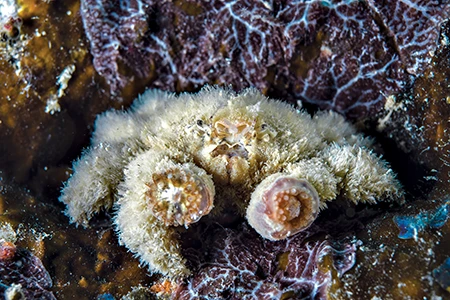
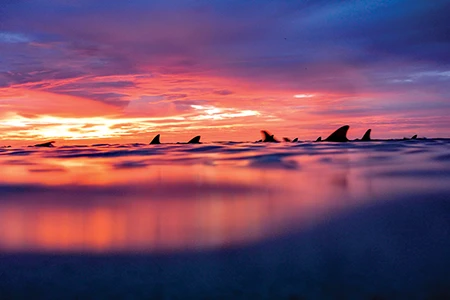
After that inauspicious introduction to underwater photography, his epiphany happened when Stan Waterman and Doubilet came to Singapore as part of a speaking tour. When the slide and movie presentation concluded, 12-year-old lmran was first in line to shake Doubilet’s hand.
What words of wisdom does he recall from Doubilet that day? “Nudibranchs taste like chicken.” I can see Doubilet saying something whimsical like that with a knowing wink to an eager young child. Imran replied, “I will shoot like you.” He had lofty ambitions but a confidence and single-minded passion that never wavered.
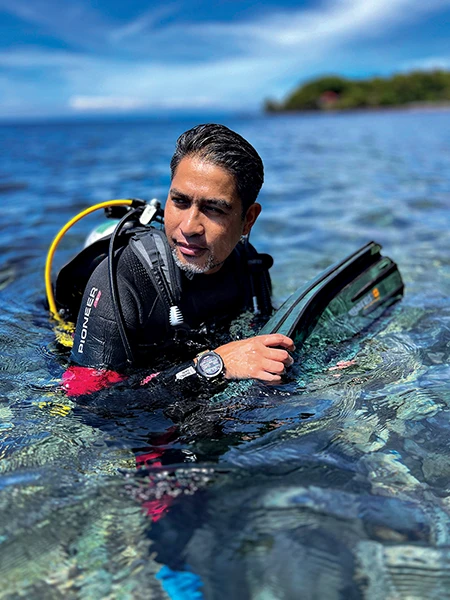

Not understanding the difference between an underwater camera and a topside one was not the only gap in his photography knowledge base. He did not know the basics of apertures and shutter speed. An artisan who processed film and made prints in an analog darkroom befriended him and inspired him to buy his first camera so he could experiment.
At the local flea market, lmran found a Minolta 7xi, a film single-lens reflex (SLR) camera with chips you could insert that would control the automation. It could also operate manually, which is how lmran used it, voraciously shooting all manner of nature and urban subjects around Singapore.

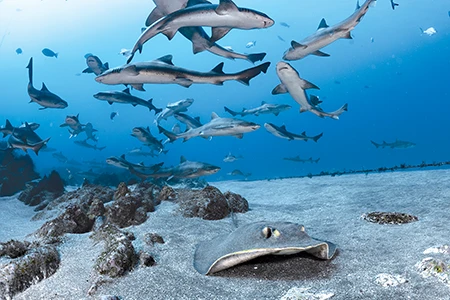
He had two major goals at this point: to dive and to buy an underwater camera. He worked in a coffee shop to pay for his dive training, achieving the first goal. Brochures for the new Nikonos V had just come out, but that camera was beyond the family’s financial reach. So he settled for a secondhand Nikonos III with a 35mm lens and an extension tube set.
Every male child in Singapore over 16 serves in the army for two years, but that was barely a speedbump in lmran’s path to the sea and did not derail his dreams.
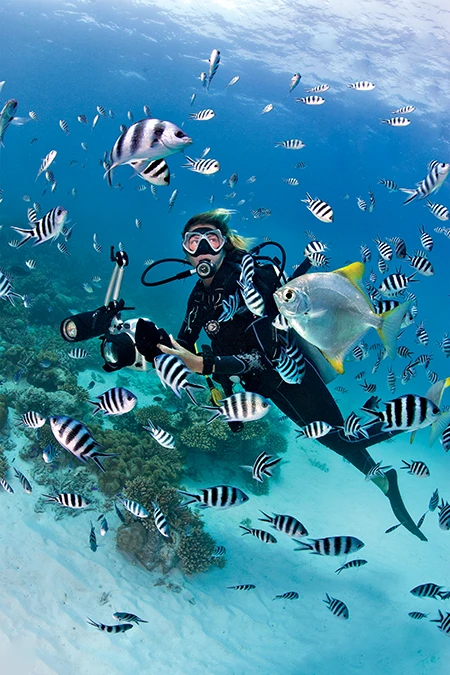
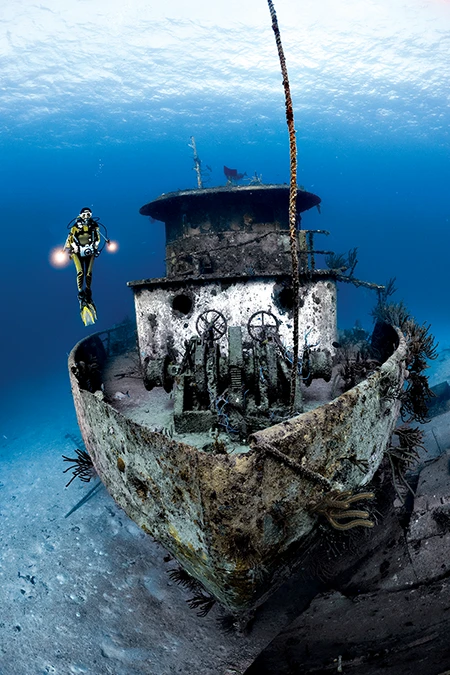
When he returned to civilian life, he worked for a dive shop in Singapore and began leading as many as 45 trips a year for dive shop clients -short jaunts to nearby Malaysia and Indonesia for the clear water and coral reefs they couldn’t find in their nearshore waters.
He bought a Nikonos SB-103 strobe at another flea market and discovered color could exist in his underwater photos. It also provided a commercial opportuniry to sell slides to his travel clients.
He also learned how to disassemble and repair his Nikonos camera and lens when it inevitably flooded rather than sending it off every time water slipped past an O-ring. His next acquisition was a wide-angle Sea and Sea 15mm lens. By his late teens, lmran could shoot the kinds of images he saw in Asian dive magazines and build a portfolio that had editorial viability.
Whenever he traveled, he went to bookstores to find the addresses of dive magazine editors. His snail-mail query letter was always the same: “I’m a budding underwater photographer in Asia. Can I do work for you?”
He showed up unannounced at the office of David Espinosa of Scuba Diver AustralAsia. Espinosa was on deadline and had no time to chat, sohis door was closed. Undeterred, lmran slid his portfolio beneath the door. Espinosa remembered him for his audacity but also his talent. They eventually would work together frequently after lmran’s photo of a mimic octopus trying to eat a shrimp finally resonated and made it to the printed page.

His first significant break came when Robert Lo, owner of the Sipadan-Mabul Resort, commissioned lmran to photograph and produce a book highlighting his resort and the dive opportunities around Mabul and Sipadan, Malaysia. A solid month of divingfollowed. lmran learned how to conceptualize a book, work with a designer and printer, review match prints, and know the difference between CMYK and RGB color spaces.
They eventually had a beautiful underwater photography book, and Lo was eager to publicize it. With a travel budget and the book as a calling card, lmran began working the Asian consumer dive show circuit, trying to meet magazine editors and provide them with images that fit their editorial vision.
His greatest mentor of this era was Dietmar Fuchs, then editor of Unterwasser magazine, who immediately recognized lmran’s unique vision and work ethic and provided introductions and publishing opportunities. That support opened the European magazine market, expanding lmran’s established presence in Asian dive magazines.
He went to the giant Boot watersports show in Dusseldorf, Germany, and in 2006 he attended his first Diving Equipment and Marketing Association (DEMA) Show in North America. This year was when the pieces began to fall into place.
North American clients and affiliations with Seacam and Nikon followed. He was a featured photographer for Fuchs’ 2012 coffee-table book and produced a destination book for Seychelles, the cover of which is replicated on the cover of this issue of Alert Diver.
lmran has long been a university lecturer, teaching communications for the past 25 years from a university campus in Singapore and virtually to students in the United Kingdom and Australia. About 70% of his professional life is devoted to teaching and the other 30% to underwater photography, either leading photo tours or doing magazine assignments.
The skills he learned keeping his Nikonos III alive after flooding have evolved into underwater housing repair facilities, mostly for Seacam housings, located wherever he is residing at the time, either in Kuala Lumpur or Singapore.
There is the ocean-facing lmran Ahmad, yet there is a private side as well. He is a devoted family man with his wife, Debbie, and 11-year-old daughter, lzabell, who just got dive certified. Like her mom and dad, Izzy is a proud member of DAN World and enjoys dive holidays withher family while trying to find her own way to uphold the family tradition of drowning one of her dad’s cameras.
Explore More
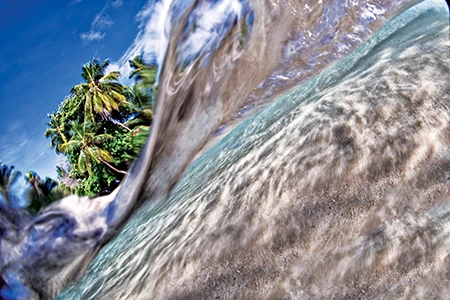
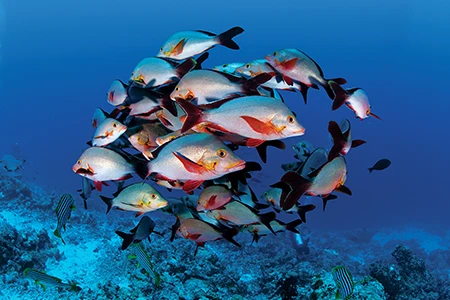
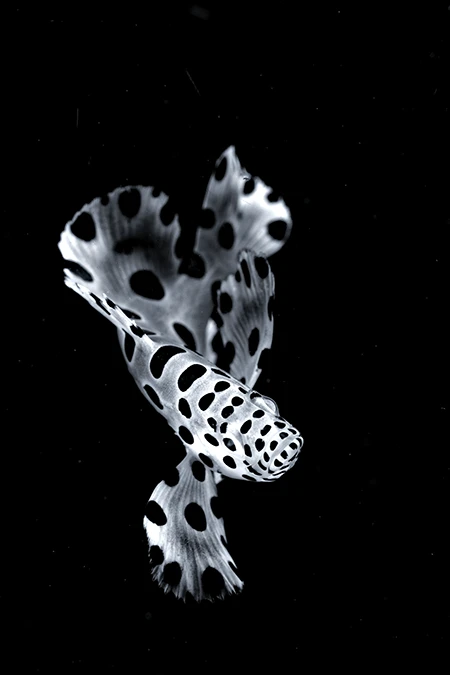
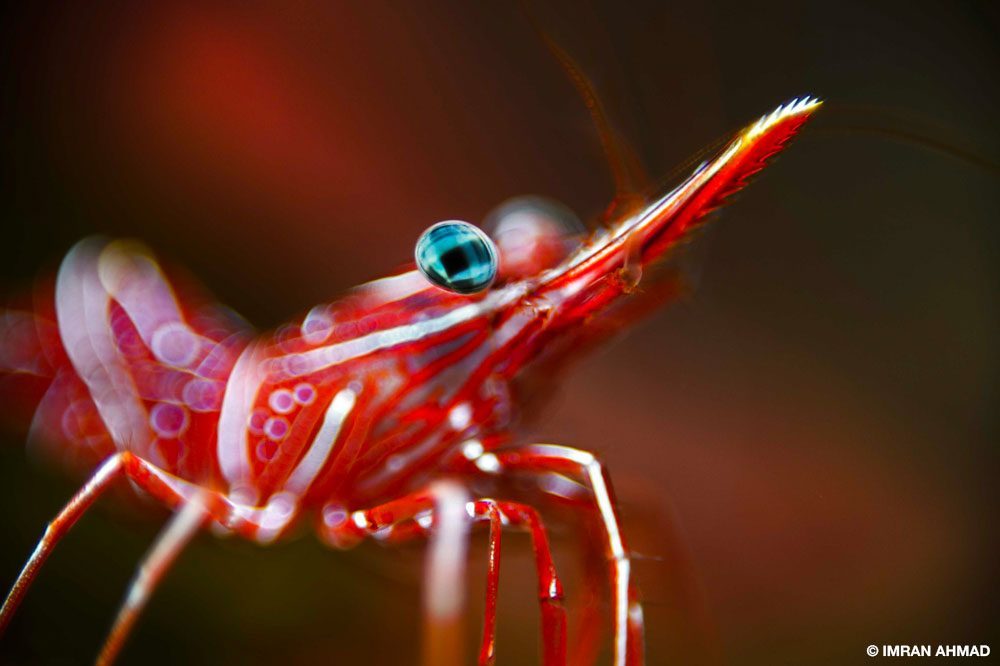
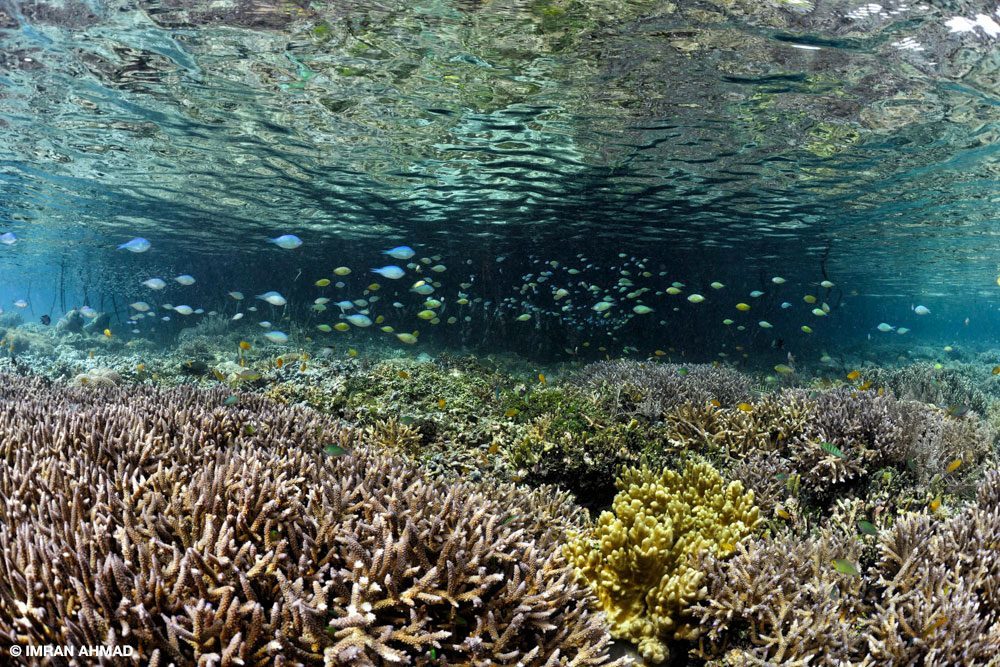
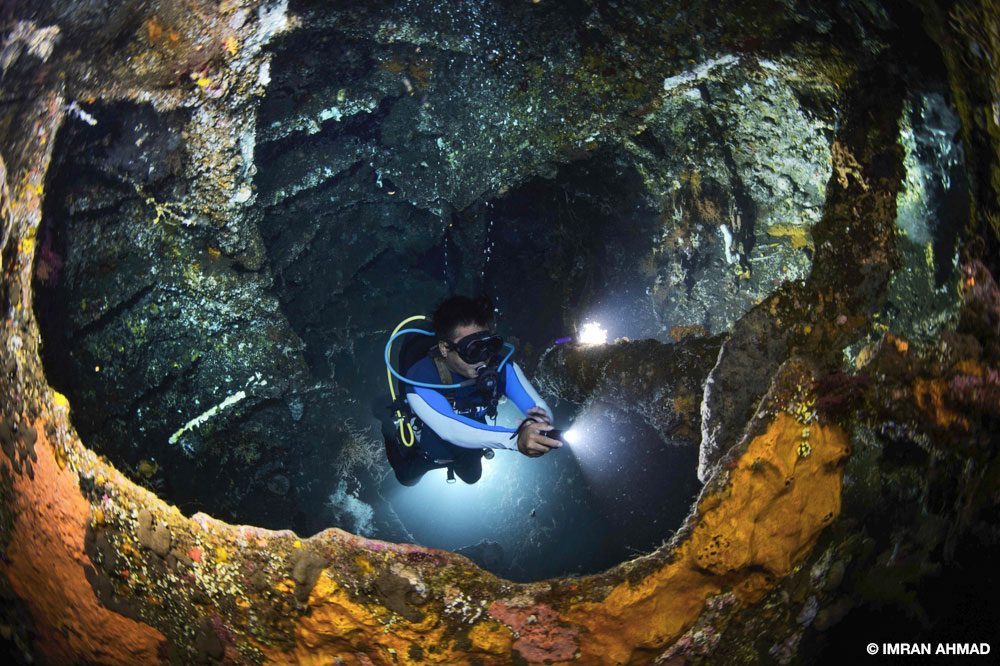
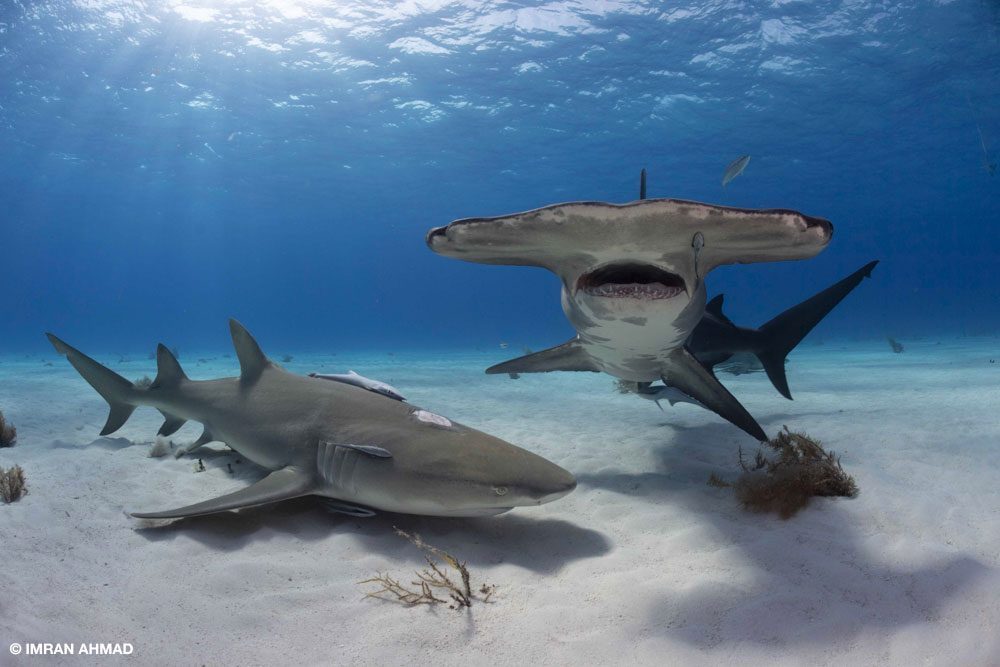
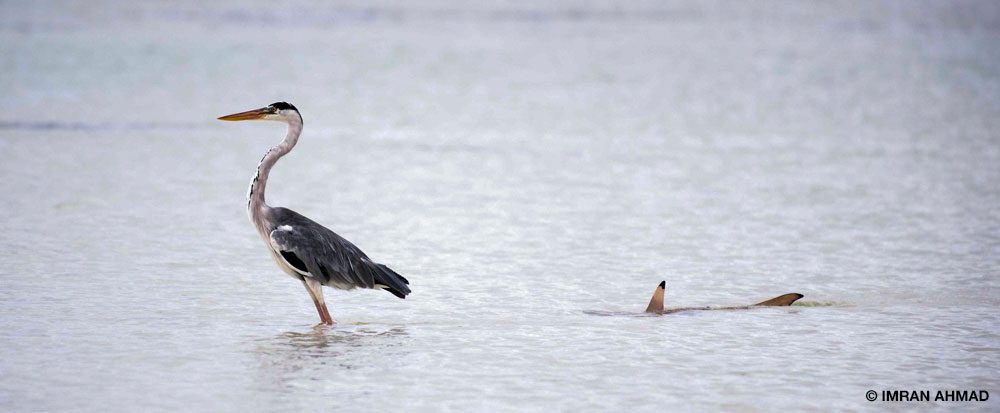
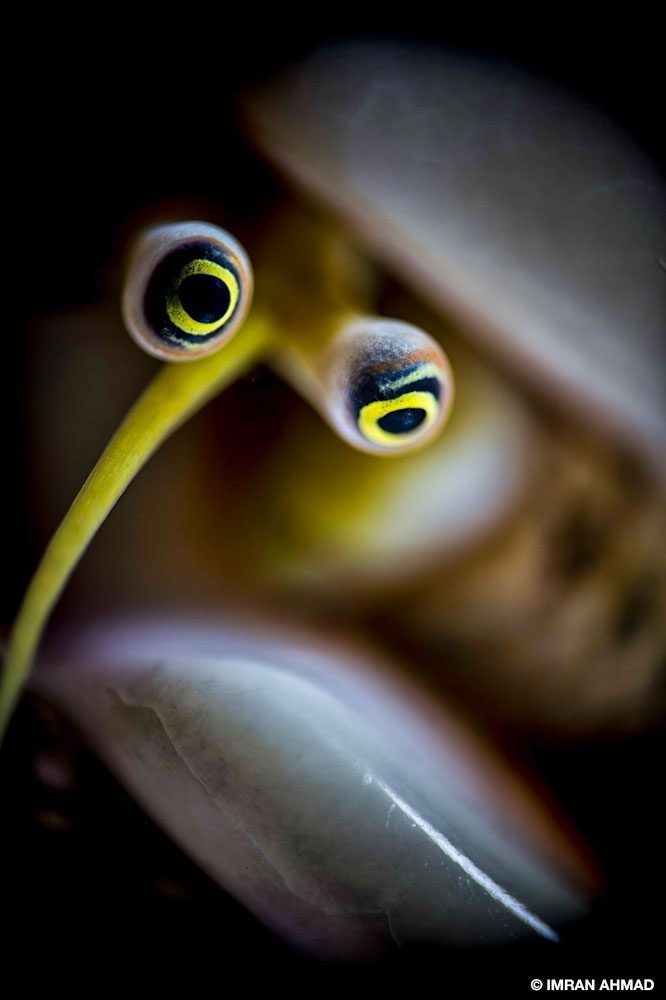
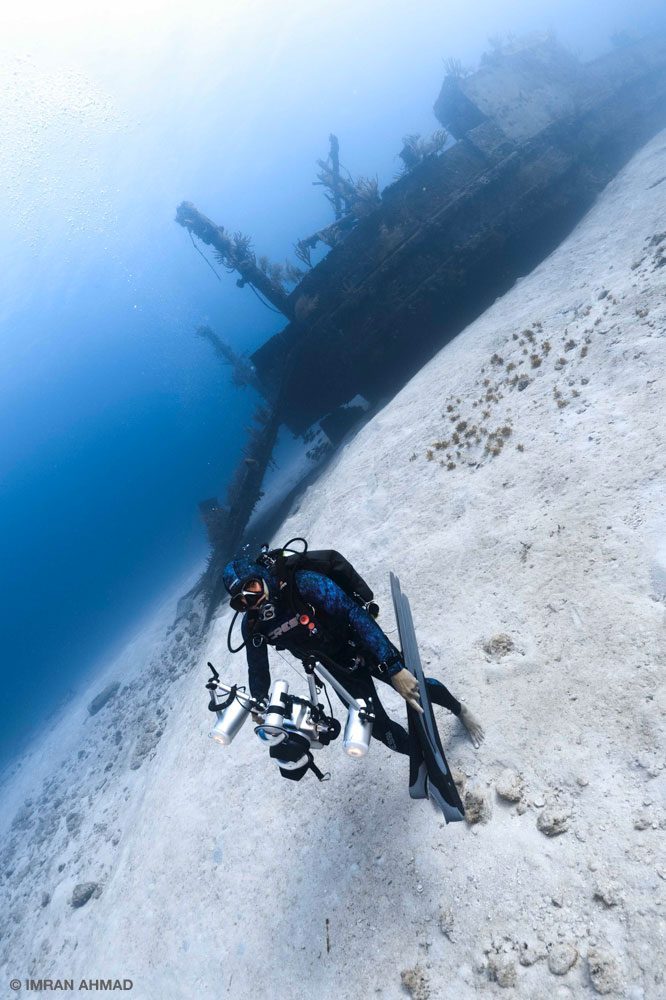
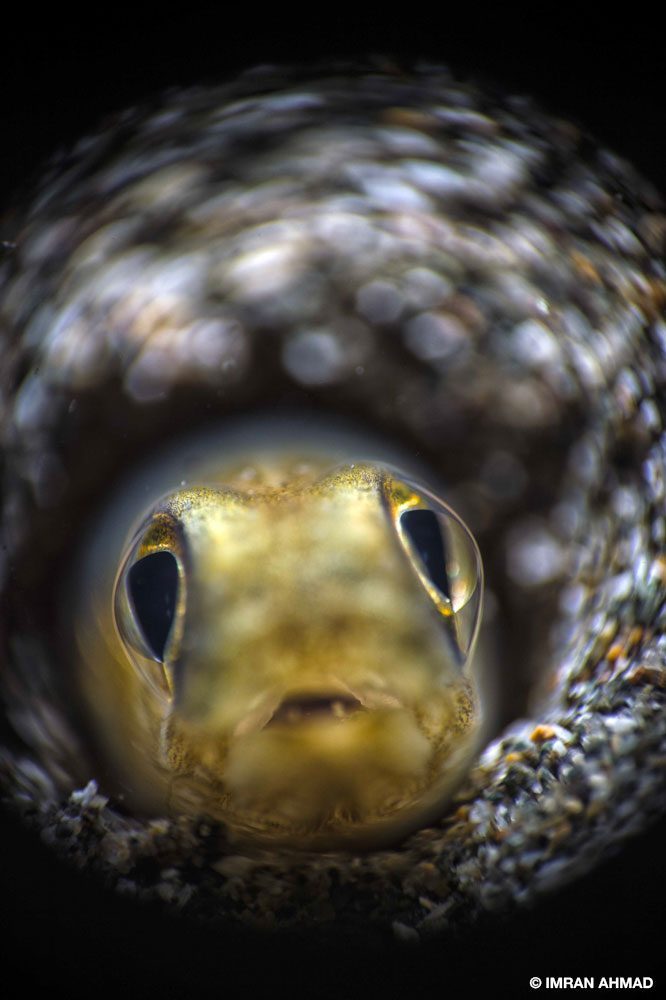
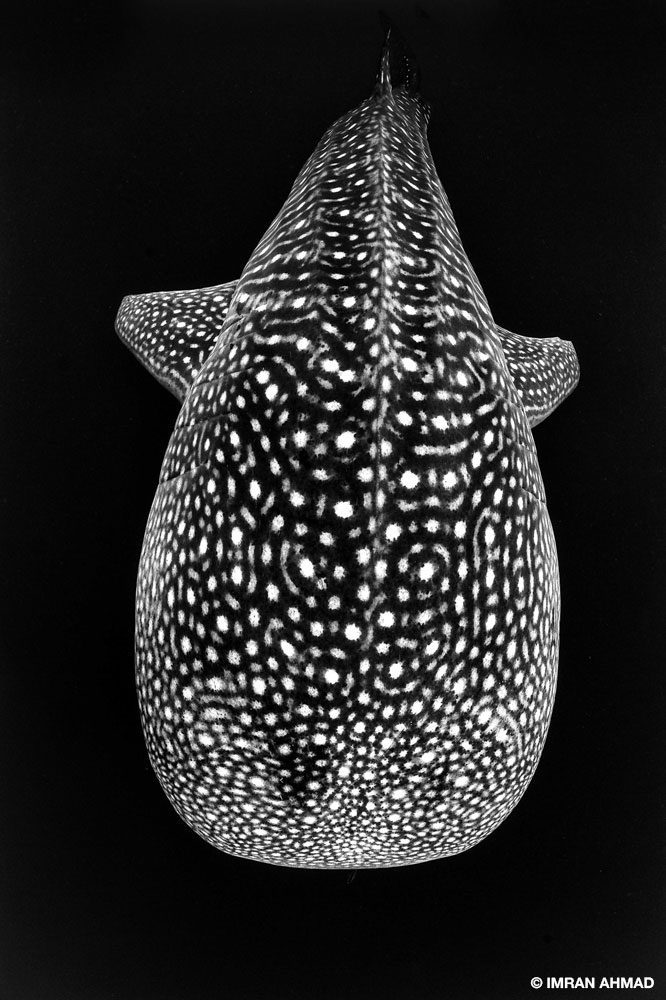
Find more about Imran Ahmad in this bonus photo gallery and video.








© Alert Diver – Q3 2025