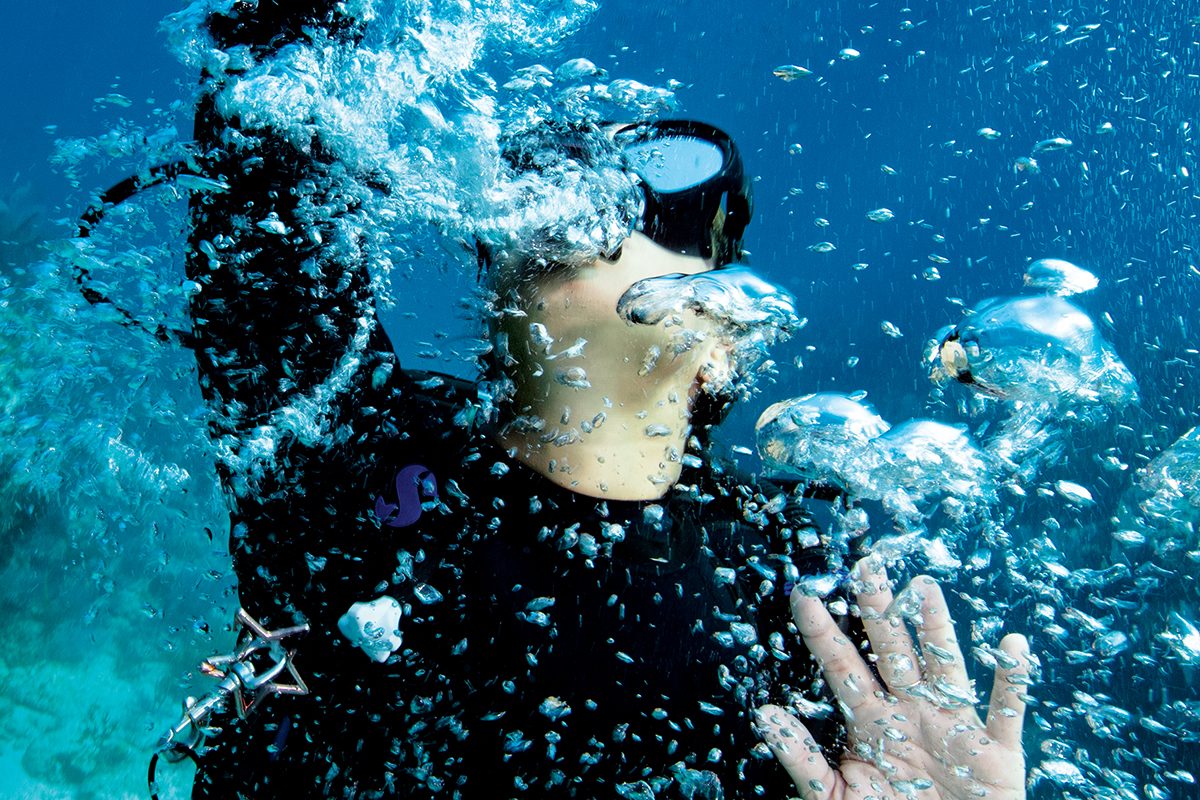
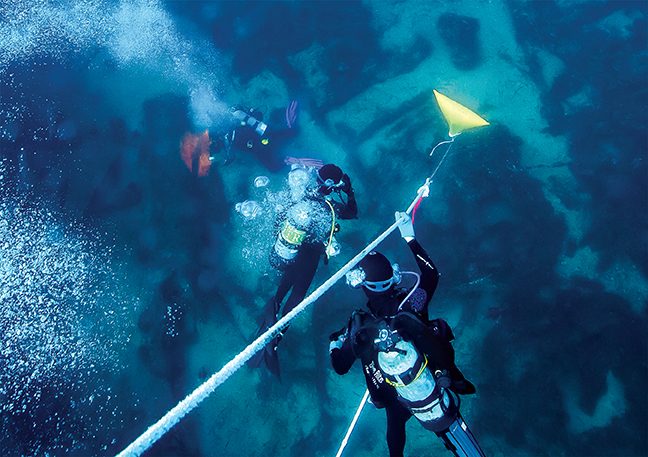
Divers can’t save themselves unless they understand what’s happening and how to evaluate the problem, keep breathing and act. It sounds simple, but the rescue diver course helped me solidify my safety and survival skills. I may not remember every detail, but one item still stands out for me as invaluable for a new diver: Any dive can be stopped at any time, for any reason, without question. To that I would add “and without embarrassment.” That advice would eventually save me.
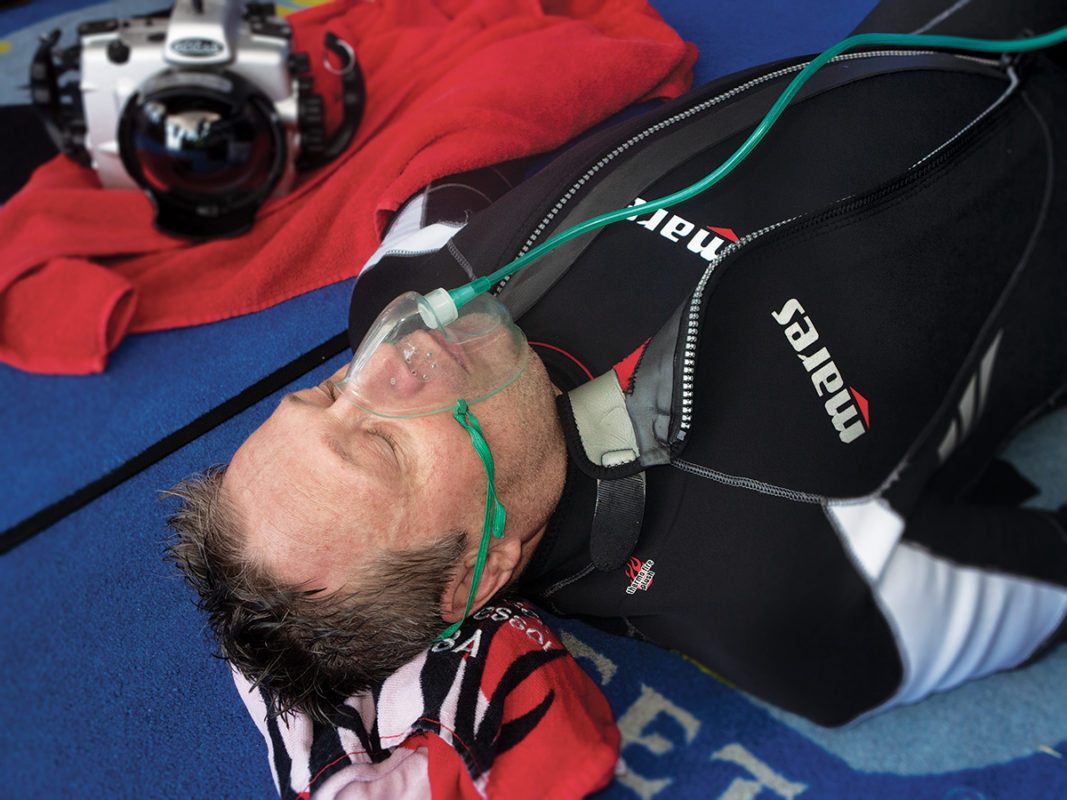
In a behind-the-scenes emergency at the National Aquarium in Baltimore, Maryland, two trained responders faced a critical moment that tested their skills and composure.
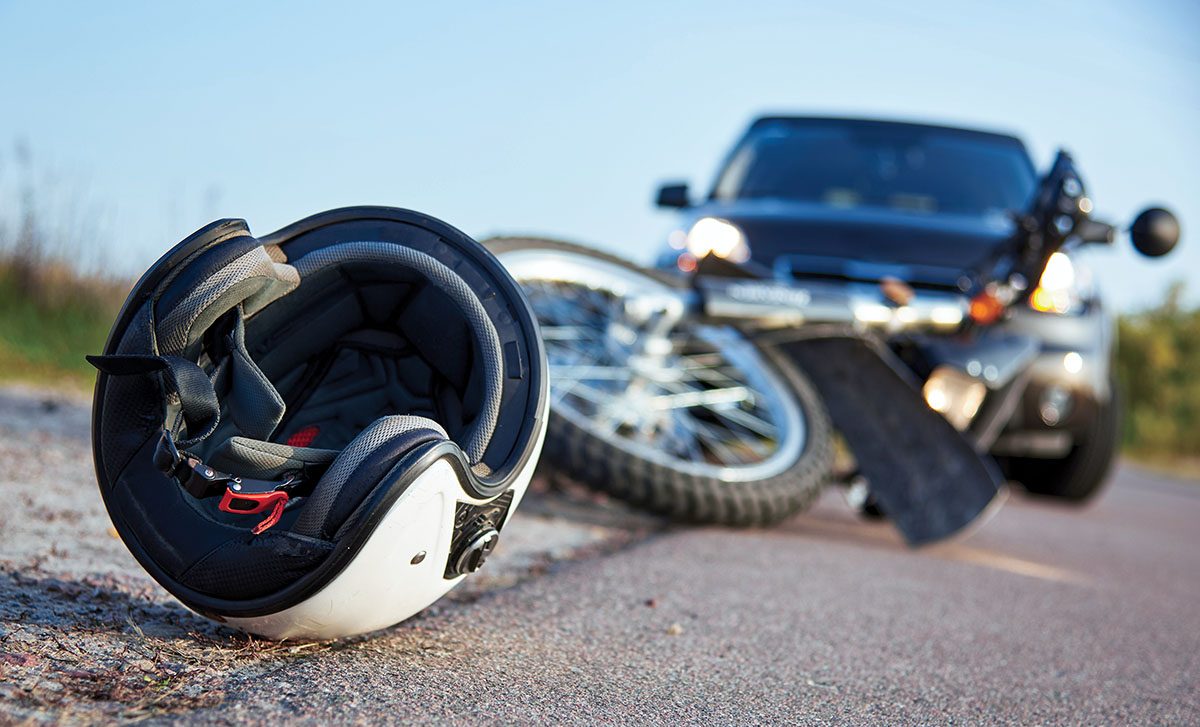
WHILE DAN’S SUITE OF EDUCATIONAL PROGRAMS focus primarily on diving, graduates of the courses can apply the skills and knowledge they learned to many circumstances outside the aquatic realm. My wife and I were driving home from a weekend getaway to Myrtle Beach, South Carolina, heading northbound on Interstate 95. As expected, I-95 was moderately […]
As a dive professional, I enjoy seeing divers coming out for their first ocean dive. A new diver is easily excited by every little detail, and it takes just one wonderful experience underwater to make diving a lifetime hobby.
FEBRUARY 6, 2022 HAD ALL THE MAKINGS OF A PROMISING DAY out on the water in the Gulf of Mexico off Destin, Florida. Though I work at a dive shop, this was a recreational lionfish harvesting trip with friends …
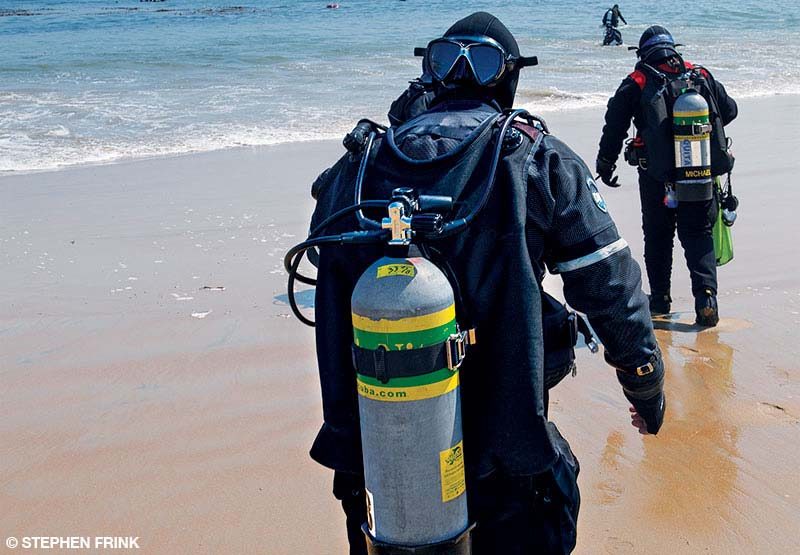
IT WAS A BEAUTIFUL, WARM SATURDAY IN THE PACIFIC NORTHWEST. We were conducting two checkout dives for an advanced open-water course at a popular dive site in Puget Sound. I had just gotten some divers out of the water, and we were debriefing onshore as divers from a basic open-water class exited the water with […]
WORKING AS A MATE ON DIVE BOATS for the past 22 years has allowed me to be a part of many interesting situations. When teaching scuba classes, I use one particular situation as evidence of the importance of maintaining skills through regular practice.
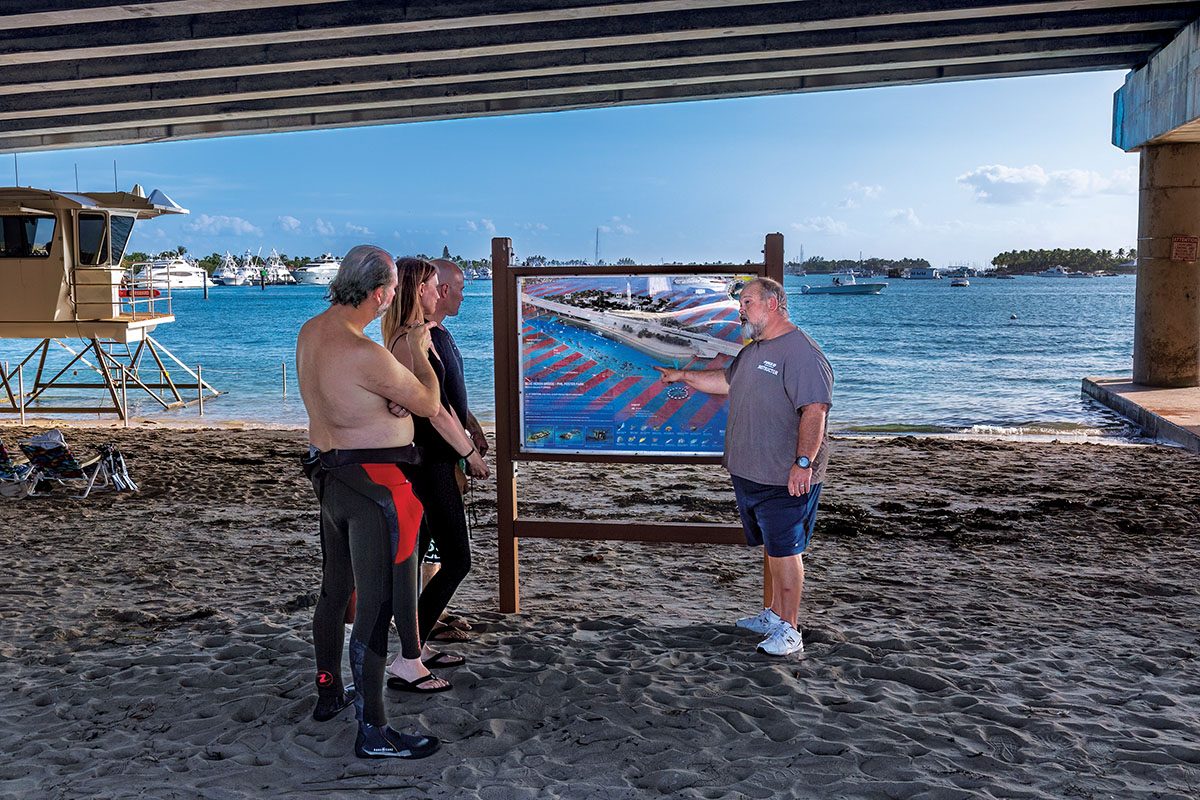
It was a sunny day at South Florida’s Blue Heron Bridge. Two years had passed since I last dived this location, and I was anticipating a simple excursion to look at the local fish. The dive plan was to make a shore entry and allow the current to take me west down the beach.
Proper out-of-air training and practice are important so a situation like this will not be the first time a diver is exposed to it. Had I not had the level of skill repetition positively enforced by my collegiate instructors, this event could have easily spooked me out of cave diving.
I have learned to read the minute details of each athlete’s technique and interpret the impending risk that arises as they push themselves in pursuit of a personal-best performance.