Flower Garden Banks Photo Gallery
Jesse Cancelmo provides a bonus photo gallery of images from Flower Garden Banks National Marine Sanctuary.
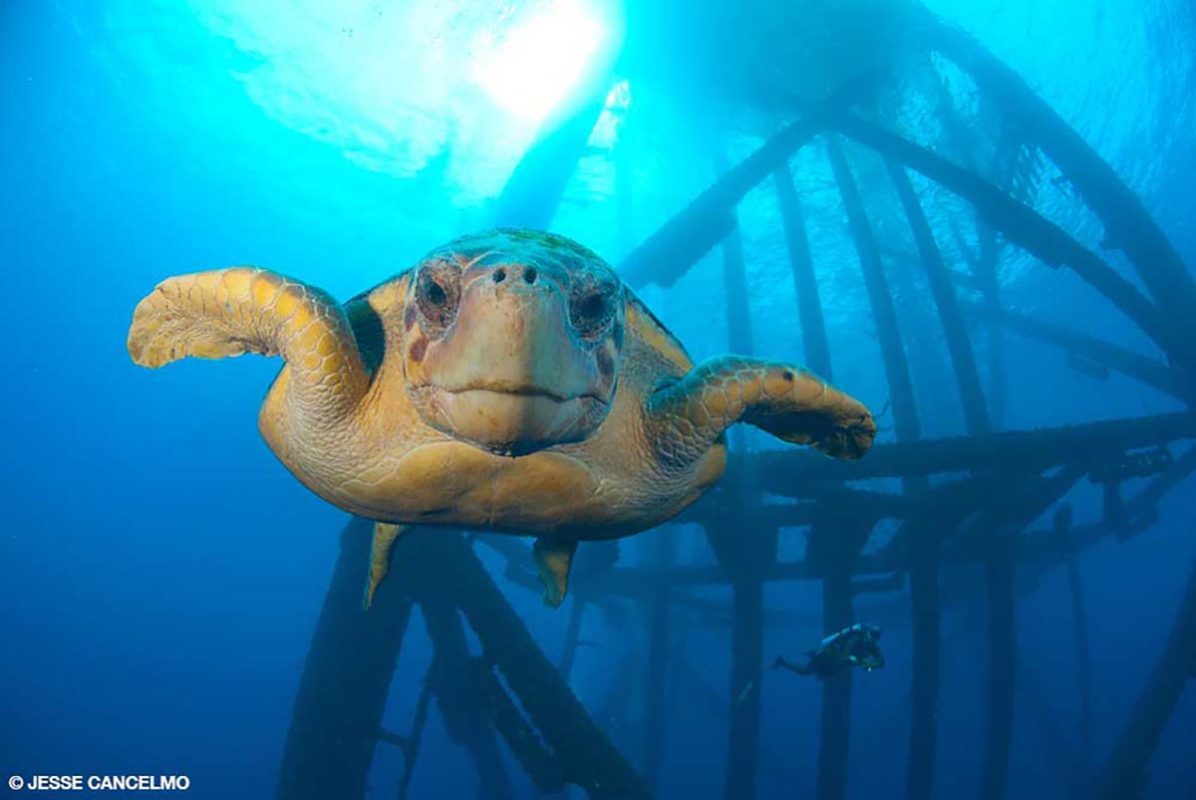
Jesse Cancelmo provides a bonus photo gallery of images from Flower Garden Banks National Marine Sanctuary.
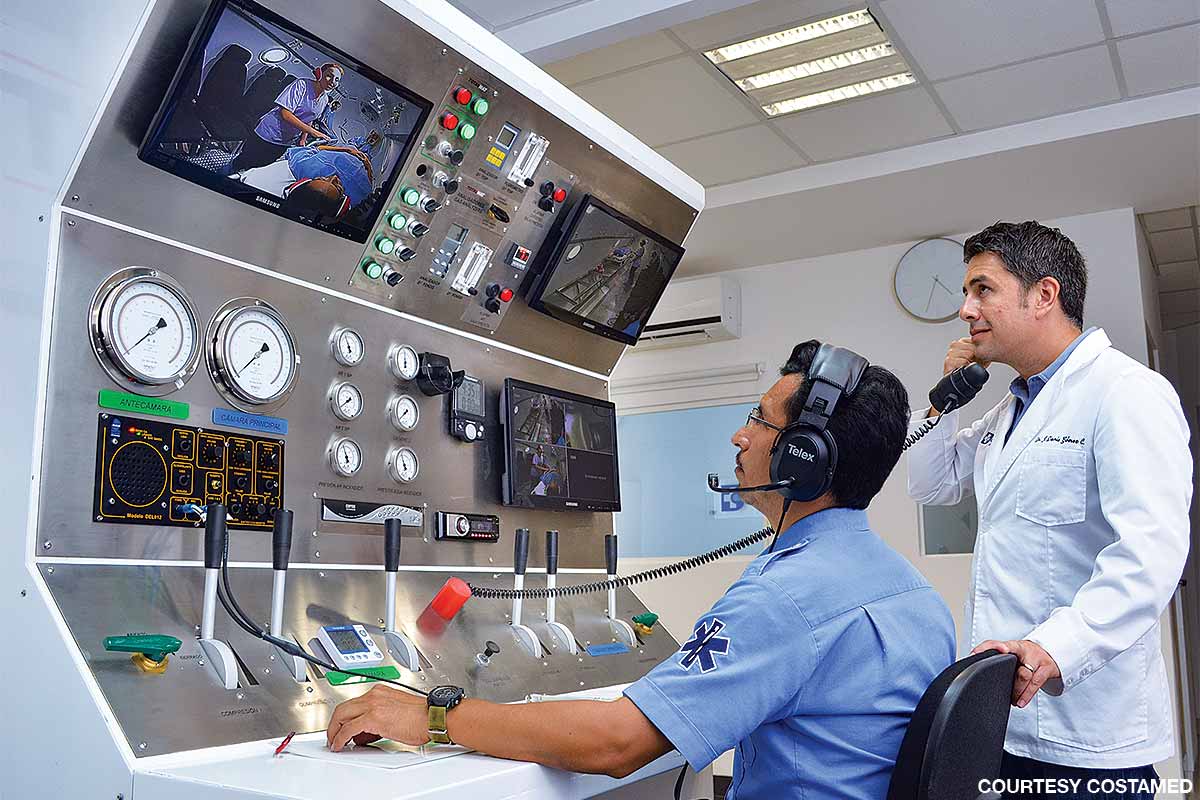
Our checkout dive was easy, with a maximum depth of 75 feet for 50 minutes. The current was slight, and the visibility was spectacular — an ideal first dive. It closed with a nice, slow ascent and a three-minute safety stop. When we returned to the boat, I felt a sudden tingling in my right foot followed by a dull ache in my knee. I assumed the worst, thinking I had decompression sickness (DCS). When I reviewed the dive in my mind, however, that seemed impossible.
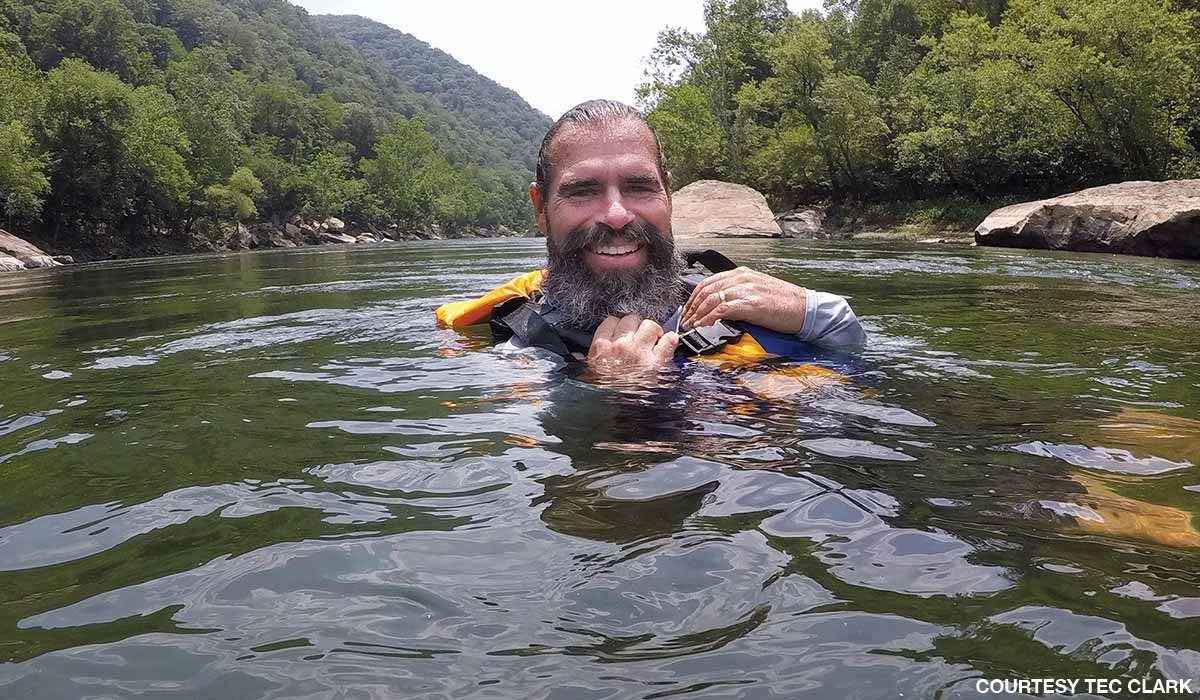
Dive legend Tec Clark has built a memorable career and legacy around training excellent divers. He describes his underwater experiences as “absolutely worshipful” and “otherworldly.” It’s the place where he feels closer to God than anywhere else on Earth. Helping others safely and professionally experience this same life-changing magic is his focus. Clark summed up the philosophy behind all his advice to new dive professionals: “Great training is the key to great diving. Don’t cut corners. Offer excellent training. Go beyond the standard.”
Turbid water can be a challenging environment for underwater photographers, particularly when shooting wide angle. Turbid water may not appear brown or green from the surface — in many cases the water looks entirely different once we drop in and begin the dive. All water is turbid to some degree. Understanding what causes turbidity and knowing how to work around it can make a world of difference when shooting in those conditions. One of the best skills a photographer can develop, particularly for shooting wide angle, is learning how to read water quality.
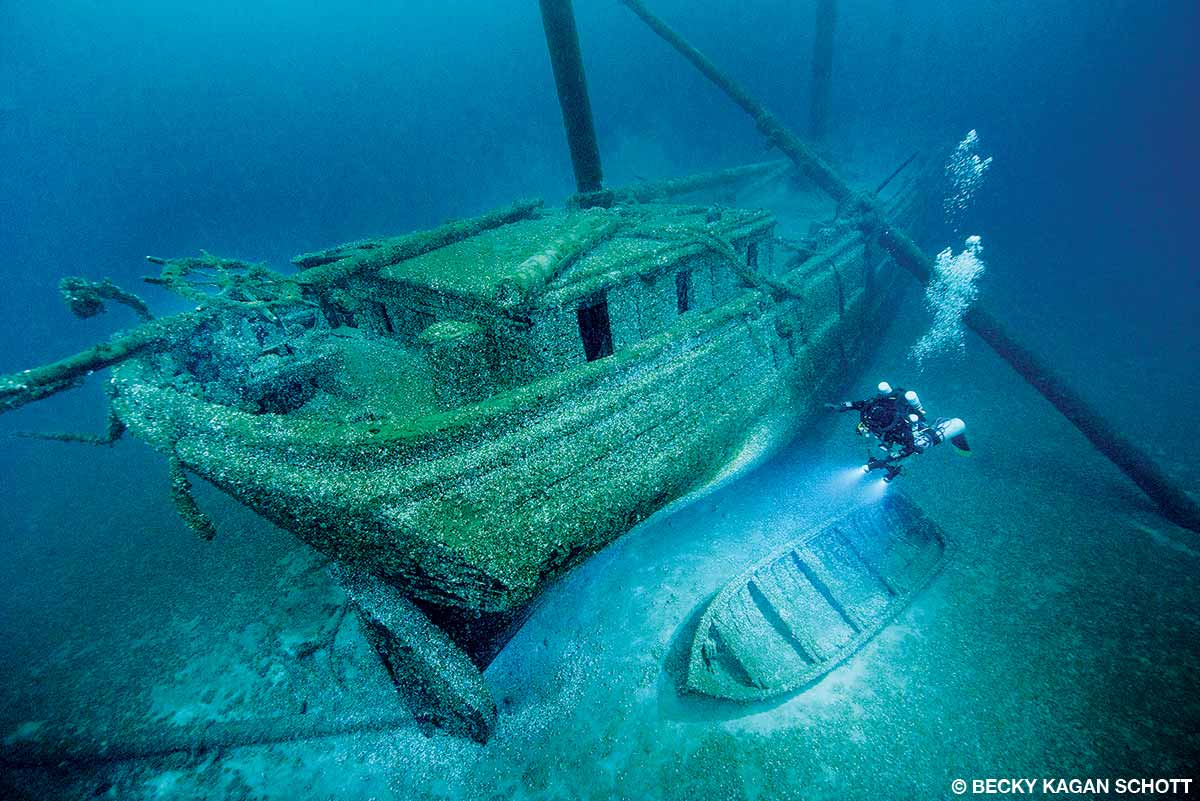
Thunder Bay National Marine Sanctuary in Lake Huron off the northeastern coast of Michigan has nearly 100 known shipwrecks, and others are still being discovered. The oldest shipwreck there sank in 1849, but many wrecks are from the mid- and late 1800s to the early 1900s. The location, history and variety of ships — from wooden schooners to freighters — make Thunder Bay special. The wrecks are at various depths, ranging from the snorkel zone to recreational and technical diving levels.